Converting a Bathroom into a Home Sauna
A bathroom already has a drain and moisture-tolerant surfaces, making it a candidate for a sauna. Here is what a bathroom-to-sauna conversion involves.
The short answer
Converting a bathroom into a sauna is appealing because the drain, waterproofing and ventilation are partly there already. The main work is adding an insulated, wood-lined enclosure with a foil vapour barrier and a correctly wired electric heater.
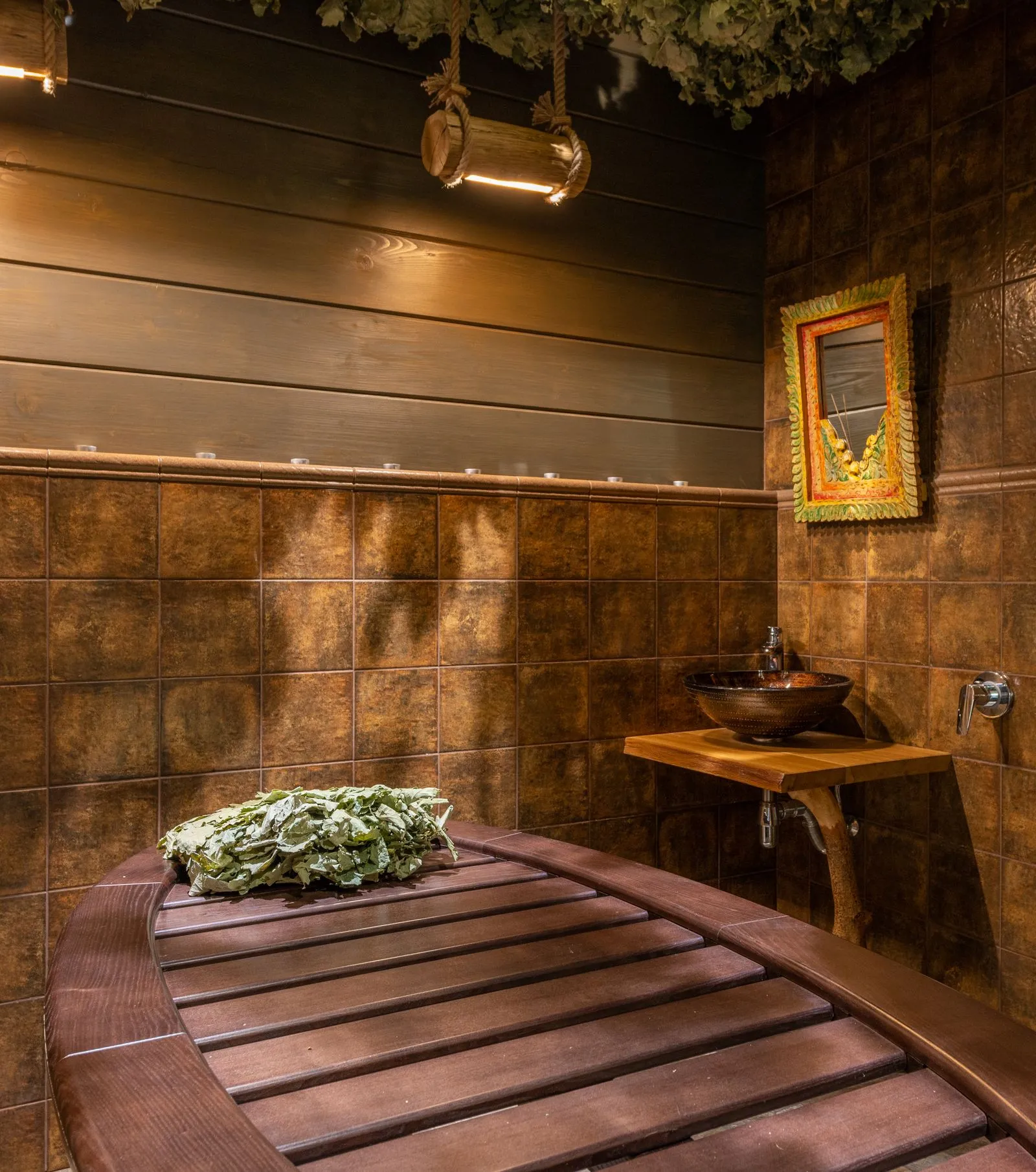
A bathroom is, in some ways, a sauna waiting to happen: it already tolerates moisture, has a drain, and often has ventilation. That makes a bathroom-to-sauna conversion one of the more efficient ways to add heat to a home — though “convert” usually means building a proper insulated sauna enclosure within or in place of the bathroom, not simply heating the tiled room.
What you’re starting with
- A drain — invaluable for cleaning and any splash.
- Waterproof surfaces — tile and sealed floors handle humidity.
- Some ventilation — a bathroom fan is a starting point, though a sauna needs its own intake and exhaust.
- Plumbing nearby — handy for a cold shower to pair with the heat.
What you need to add
Practical routes
| Approach | What it means |
|---|---|
| Prefab cabin in the room | Drop a self-contained sauna unit into the space |
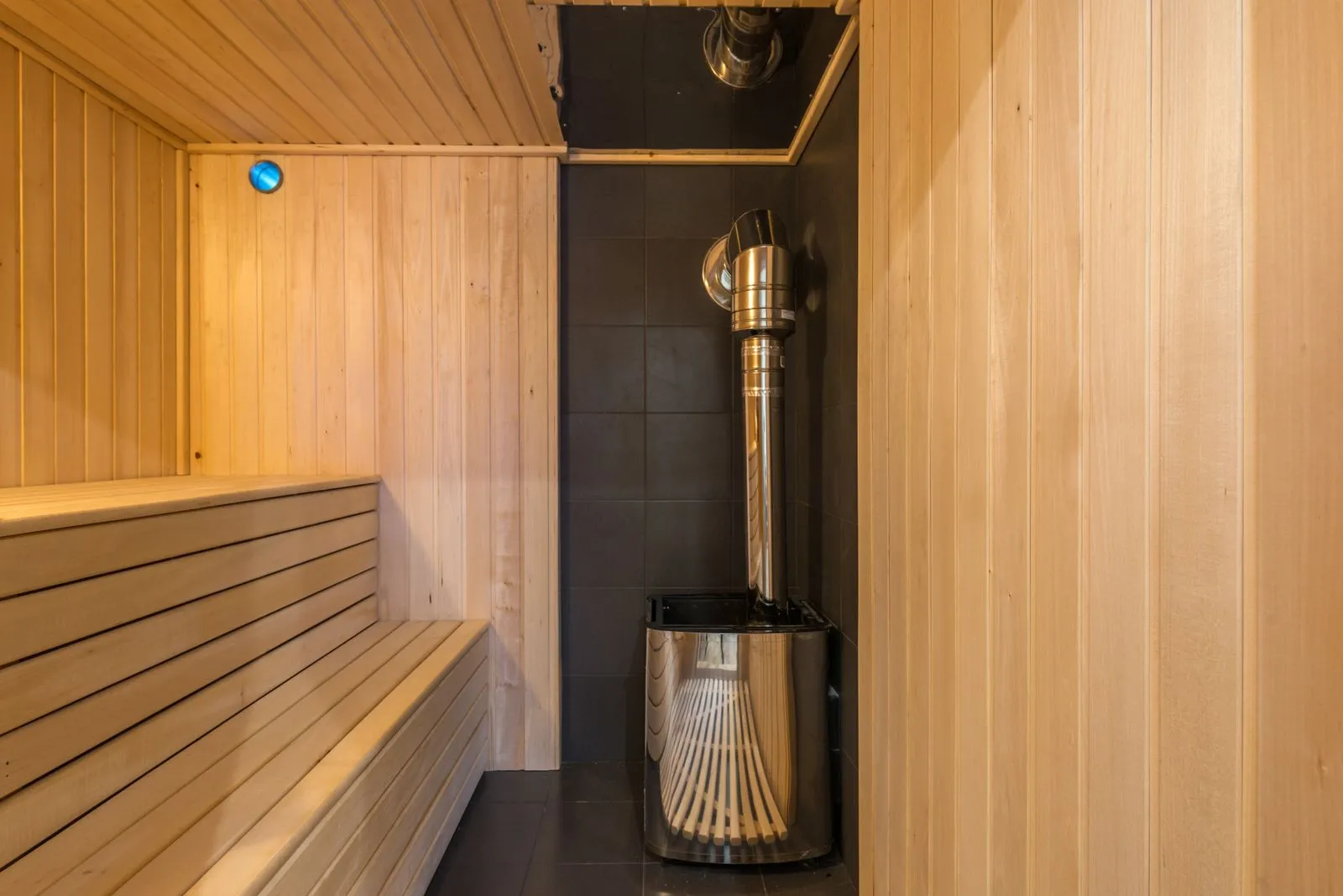
| Custom-built enclosure | Frame and line a dedicated sauna within the footprint |
| Full conversion | Replace the bathroom with a purpose-built sauna room |
Worth it?
If you have a spare or underused bathroom, a conversion leverages existing drainage and waterproofing to save work — a real head start over building in a dry spare room. Keep expectations realistic (it is a build, not a setting change), respect the electrical safety, and you can turn a little-used bathroom into a compact home sauna retreat.
Space is usually the main constraint in a bathroom conversion, so plan the layout carefully: a compact two-person sauna enclosure, benches sized to the footprint, and the heater positioned with correct clearances. A self-contained prefab cabin that fits the room is often the simplest route, since it handles the insulation, vapour barrier and heater matching within a known footprint — turning a tight bathroom into a working home sauna with minimal guesswork.
Working with the existing plumbing
A big advantage of converting a bathroom is the plumbing already in place. An existing drain simplifies cleaning and handles the occasional splash, and a nearby shower is perfect for cooling down between sauna rounds — turning the space into a compact heat-and-cold setup. If you are reconfiguring the room, keeping or adding a cold shower right beside the sauna makes the contrast ritual effortless.
That said, a conversion is still a build, not a plumbing change. You are constructing an insulated, wood-lined sauna enclosure — framing, mineral wool, a continuous foil vapour barrier, sauna-grade wood, benches, and a correctly wired heater — within or in place of the bathroom. The heater circuit needs a licensed electrician, and any plumbing changes may need a plumber. Where a bathroom conversion shines is leveraging the drainage, waterproofing and cold-water access you already have, which is a real head start over building in a dry spare room. Plan around those existing services, respect the electrical safety, and an underused bathroom becomes an efficient home sauna with its cold-down shower built right in.
Frequently asked questions
Can you turn a bathroom into a sauna?
Yes. A bathroom's existing drain, waterproofing and ventilation give a head start, but you still need to build an insulated, wood-lined sauna enclosure with a vapour barrier and a properly wired heater.
Can you just heat a tiled bathroom like a sauna?
No. Tile does not insulate or reflect heat like a sauna's wood-and-foil walls, so a bare bathroom will not hold heat or feel right. A proper insulated enclosure is needed.
What is the advantage of converting a bathroom?
The drain, waterproof surfaces and some ventilation already exist, and plumbing is nearby for a cold shower — saving work compared with building in a dry spare room.
Do you need a plumber and electrician for a bathroom sauna?
An electrician is required for the heater's dedicated circuit. A plumber may help if you add or relocate a cold shower or drain. The heater wiring must meet local code.
Is a prefab sauna good for a bathroom conversion?
Yes — a self-contained prefab cabin that fits the space handles insulation, vapour barrier and heater matching for you, simplifying the conversion.
How much space do you need to convert a bathroom into a sauna?
Enough for a compact sauna enclosure — a two-person unit fits a modest footprint. Plan benches and heater clearances to the space, or use a self-contained prefab cabin sized to the room to simplify the fit.
Is the shower useful when converting a bathroom to a sauna?
Very — a shower right beside the sauna is ideal for cooling down between rounds, making the hot-cold contrast ritual effortless. Existing plumbing and drainage are among the main advantages of a bathroom conversion.
Do you need a plumber for a bathroom-to-sauna conversion?
Possibly, if you add or relocate a cold shower or drain. The heater circuit always needs a licensed electrician. Much of the value is reusing the drainage and waterproofing already in place.