Sauna Heater Installation & Safety: What to Get Right
Clearances, wiring, guards and ventilation: the sauna heater installation and safety essentials for electric and wood-burning stoves, explained clearly.
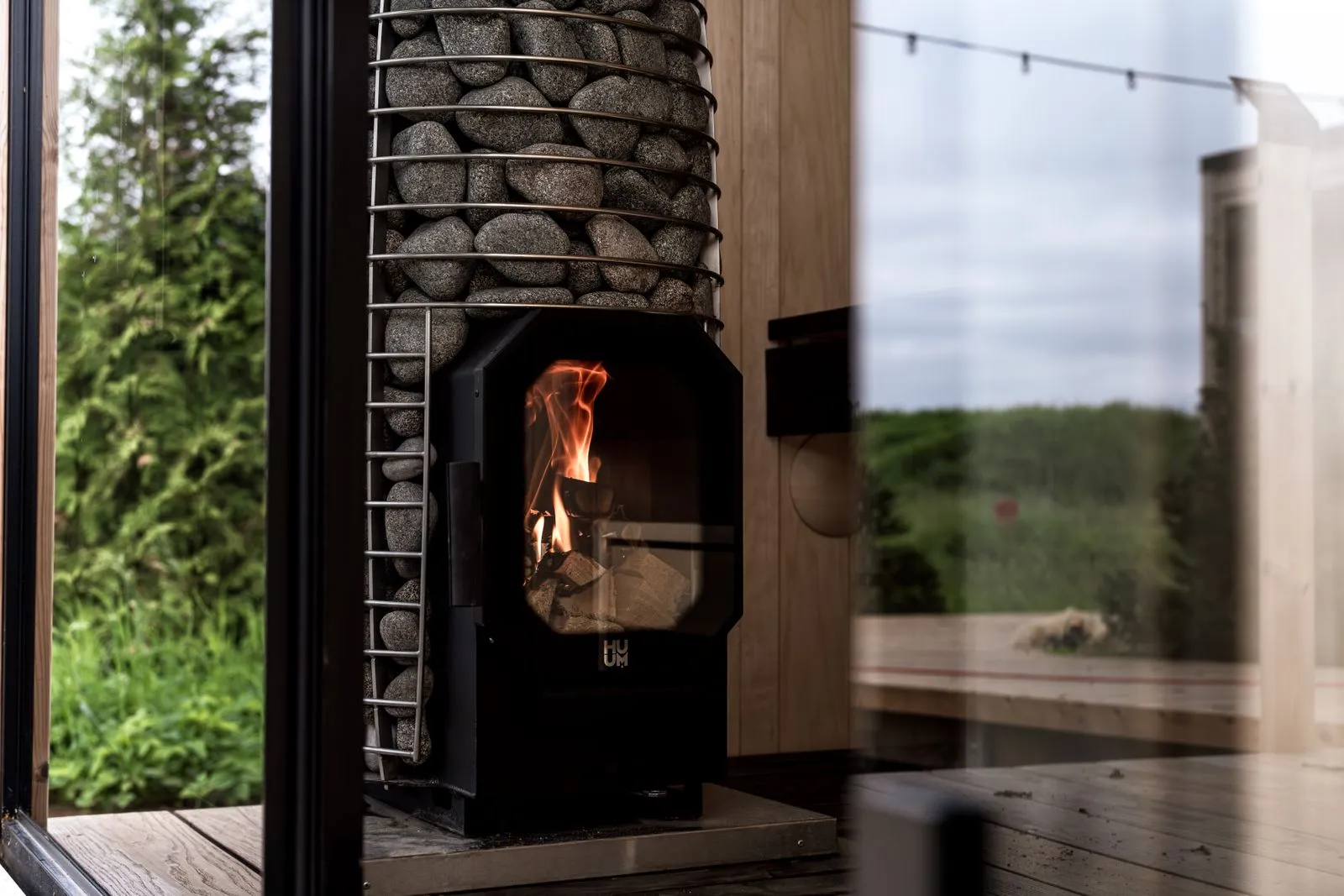
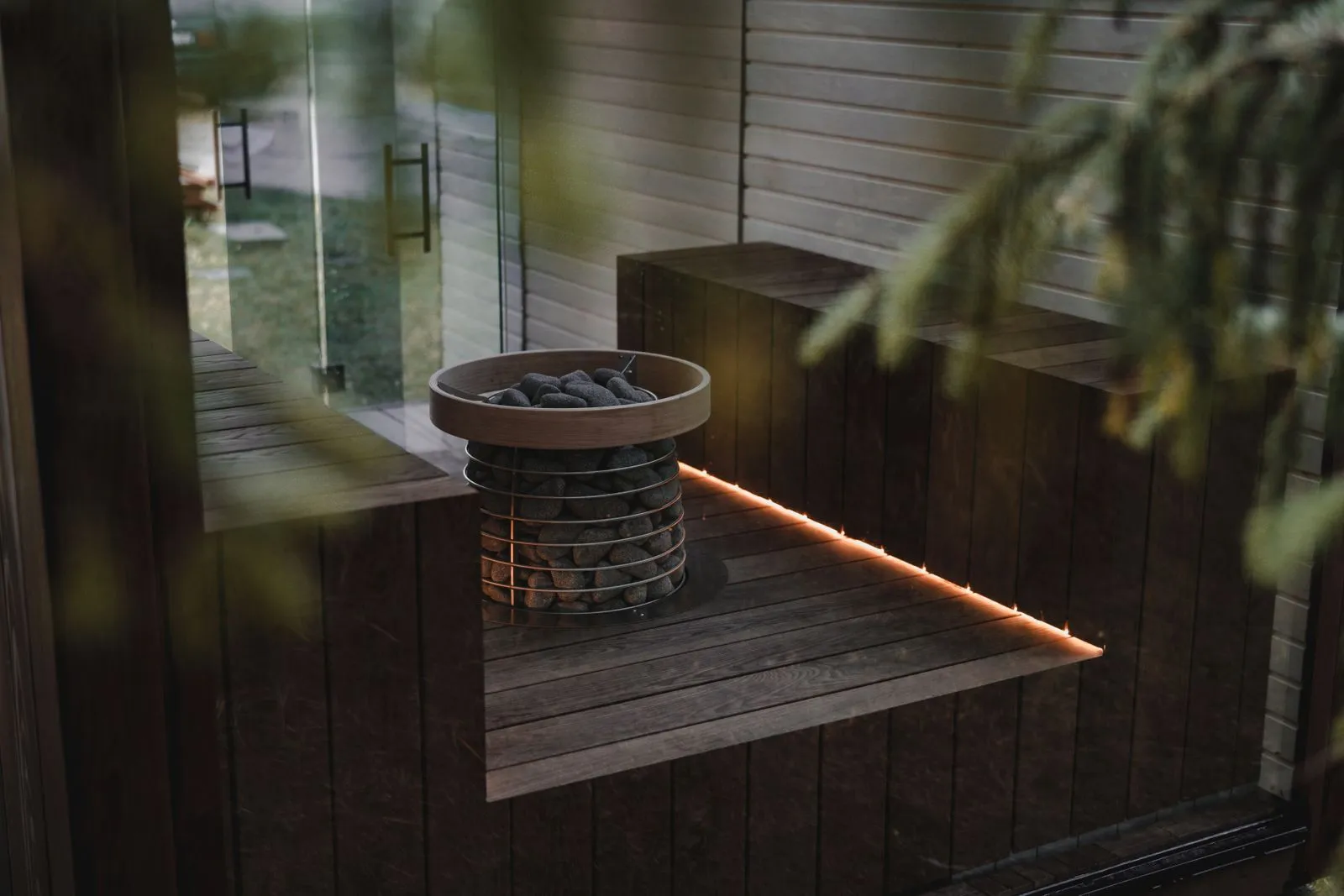
A sauna heater is the most powerful appliance in the smallest room in your home, surrounded by wood and bare skin. Get the installation right and it’s completely safe; cut corners and it’s the one part of a sauna that can genuinely hurt someone. This guide covers the safety essentials for both electric and wood-burning heaters — but it complements, and never replaces, the manufacturer’s manual and your local code.
The short answer
Safe heater installation comes down to four things: correct clearances to walls and benches, a guard rail so bathers can’t touch it, code-compliant wiring or a proper chimney, and ventilation planned around the heater. Electrical connections and chimneys should be done by qualified trades.
Clearances come first
Every heater lists minimum clearances — to side walls, to the bench, to the ceiling, and to any combustible surface. These numbers are the result of safety testing, and they are not suggestions. Before anything is mounted:
- Confirm the model’s clearances in its manual.
- Check they’re achievable in your room layout — if not, you need a different heater or layout.
- Plan a guard rail around the hot zone. Bathers move in a dim, hot room; the rail keeps skin and the stones apart.
Electric heaters: the wiring
An electric sauna heater draws serious current. A typical mid-size unit needs a dedicated 240 V circuit, with the amperage, wire gauge and breaker dictated by its kW rating and your local code (the Canadian Electrical Code, in Canada). A rough picture:
| Heater output | Typical circuit (confirm with manual & code) |
|---|---|
| 4.5 kW | 240 V, ~30 A |
| 6 kW | 240 V, ~40 A |
| 8 kW | 240 V, ~40–50 A |
| 9 kW+ | 240 V, ~50 A |
The exact requirement always comes from the data plate and the electrician — treat the table as orientation, not gospel. The connection itself is licensed-electrician work. A sensor and high-limit cut-out are part of the system; install them exactly where the manual specifies, because they’re what stops the room from overheating.
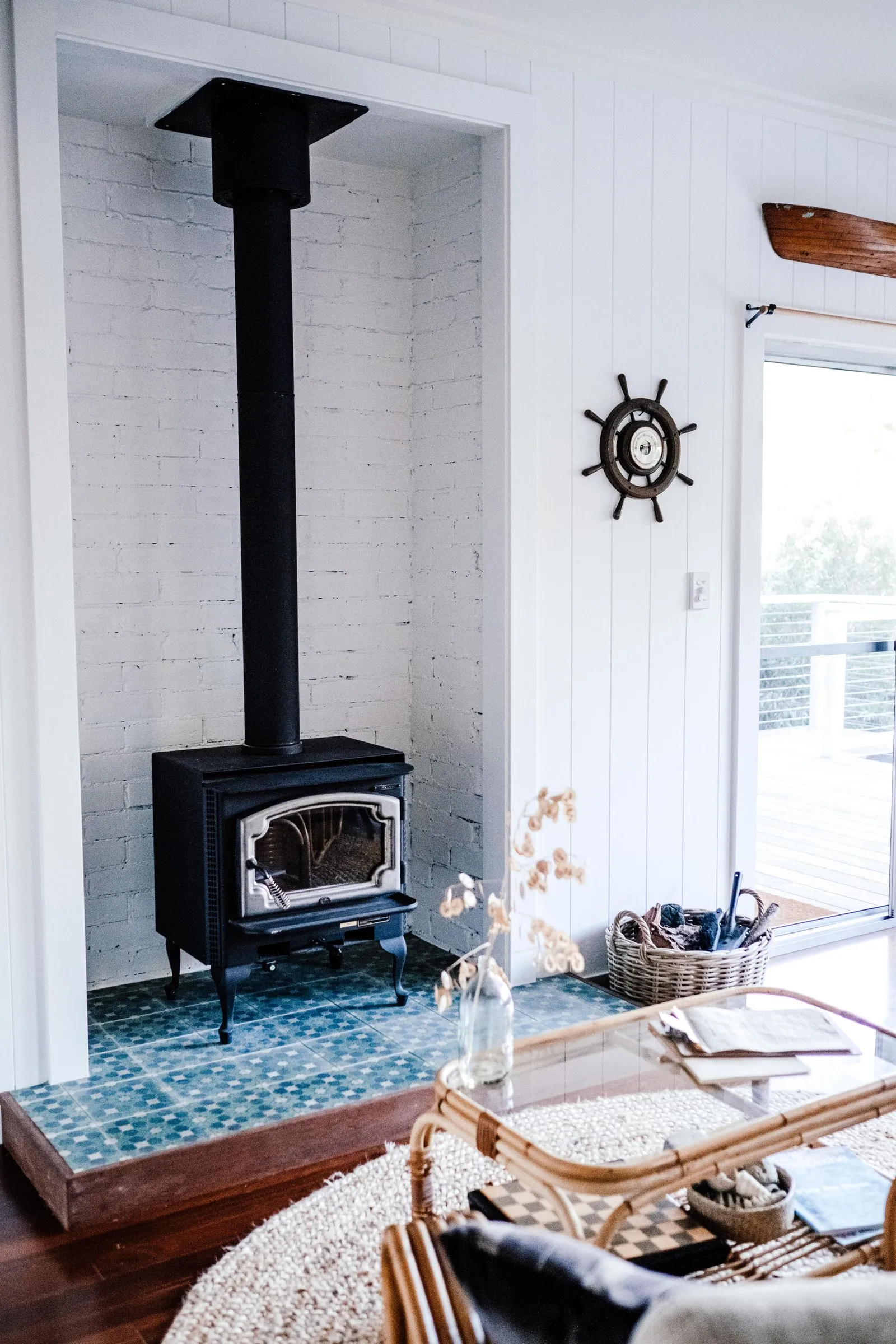
Wood-burning heaters: the chimney
A wood stove trades wiring for a chimney and fire safety. The essentials:
- Insulated chimney of the correct diameter and height, installed to fire code.
- Clearances to combustibles for the stove body and the flue, plus a non-combustible floor protector.
- A spark arrestor where required, and a clear path for regular chimney sweeping.
Creosote buildup is the main long-term fire risk, so plan for access and sweep on schedule.
Ventilation is part of installation
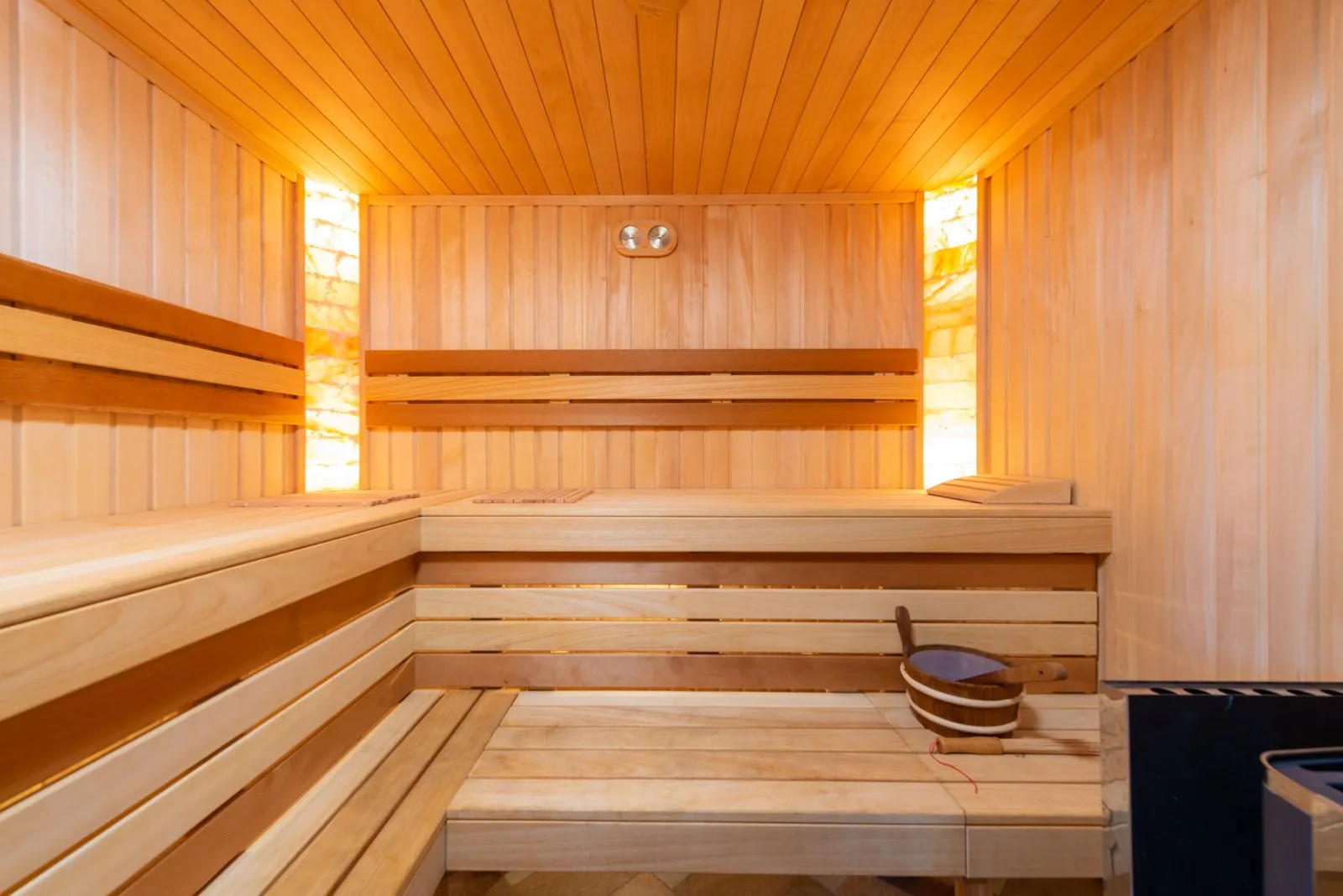
Heater placement and ventilation are designed together. The fresh-air intake usually sits low, near the heater, so incoming air is pulled up and over it and circulated through the room; the exhaust sits on the opposite wall to pull stale air out. Get this wrong and you get cold spots, stuffiness and uneven heat. Our ventilation guide covers the airflow in detail.
A pre-first-use checklist
- Clearances confirmed and guard rail fitted.
- Electrical connection made and inspected by a licensed electrician (electric), or chimney installed to code (wood).
- Sensor / high-limit installed per the manual.
- Stones loaded correctly — not packed tight — as in our stone-loading guide.
- Intake and exhaust vents open and unobstructed.
- First heat-up supervised, watching for correct thermostat behaviour and any unusual smell beyond the normal break-in.
Do the install by the book and a sauna heater will run safely for decades. The time to be meticulous is now, before the first fire — not after.
Standards & further reading
This article is informational; electrical connections must be made by a licensed electrician, and installations must meet local code. See our editorial policy. Relevant Canadian standards:
- Canadian Electrical Code (CSA C22.1) — the standard governing electrical installations in Canada.
- CSA C22.2 No. 164 — the Canadian standard for electric sauna heating equipment.
Always follow the heater manufacturer’s instructions and confirm the current code edition and your local requirements with a licensed electrician or your authority having jurisdiction.
Frequently asked questions
Can I install a sauna heater myself?
You can often mount the unit, but the electrical connection of an electric heater must be made by a licensed electrician to code, and a wood stove's chimney should be installed to fire code. Never energise or fire a heater that hasn't been correctly installed.
What clearances does a sauna heater need?
Every heater has minimum clearances to walls, benches and the ceiling, published in its manual. These are safety-critical and non-negotiable — a guard rail is used to keep bathers from touching the hot surface or stones.
Does an electric sauna heater need a special circuit?
Yes. It needs a dedicated circuit sized to its rating — often 240 V and 30–50 A depending on kW — with the correct wire gauge and breaker per the manufacturer and local code.
Do I need a GFCI for a sauna heater?
Requirements vary by jurisdiction and product listing. Follow the manufacturer's instructions and your local electrical code; a licensed electrician will know what your installation requires.
How close can the bench be to the heater?
No closer than the heater's stated minimum clearance, and typically with a guard rail so bathers can't brush against it. Check the manual for the exact figure for your model.
Why does heater placement affect ventilation?
Fresh-air intake is usually placed low near the heater so incoming air is drawn up over it and circulated. Poor placement leaves cold spots and stuffy air, so intake, heater and exhaust are planned together.