Basement Saunas: Turning Downstairs into a Retreat
A basement is a great place for a home sauna — cool, private and easy to wire. Here is how to plan a basement sauna, and manage moisture and ventilation.
The short answer
A basement sauna is one of the best home installs: basements are cool, private and close to the electrical panel. The two things to plan carefully are ventilation (basements have less natural airflow) and a vapour barrier to protect the surrounding structure.
The basement is the classic home-sauna location, and with good reason: it is private, out of the way, cool between uses, and usually the easiest place to run a dedicated circuit from the panel. Get two details right — ventilation and moisture — and it is close to ideal.
Why basements work
- Proximity to power. The electrical panel is often right there, simplifying the dedicated circuit.
- Privacy and quiet. Tucked away from the living space.
- Concrete floor. Tolerant of the odd splash; easy to add a drain.
- Cool surroundings. The space around the sauna stays comfortable.
The two things to plan
A practical approach
| Step | Detail |
|---|---|
| Location | Corner near the panel, on the concrete floor |
| Power | Dedicated 240V circuit by a licensed electrician |
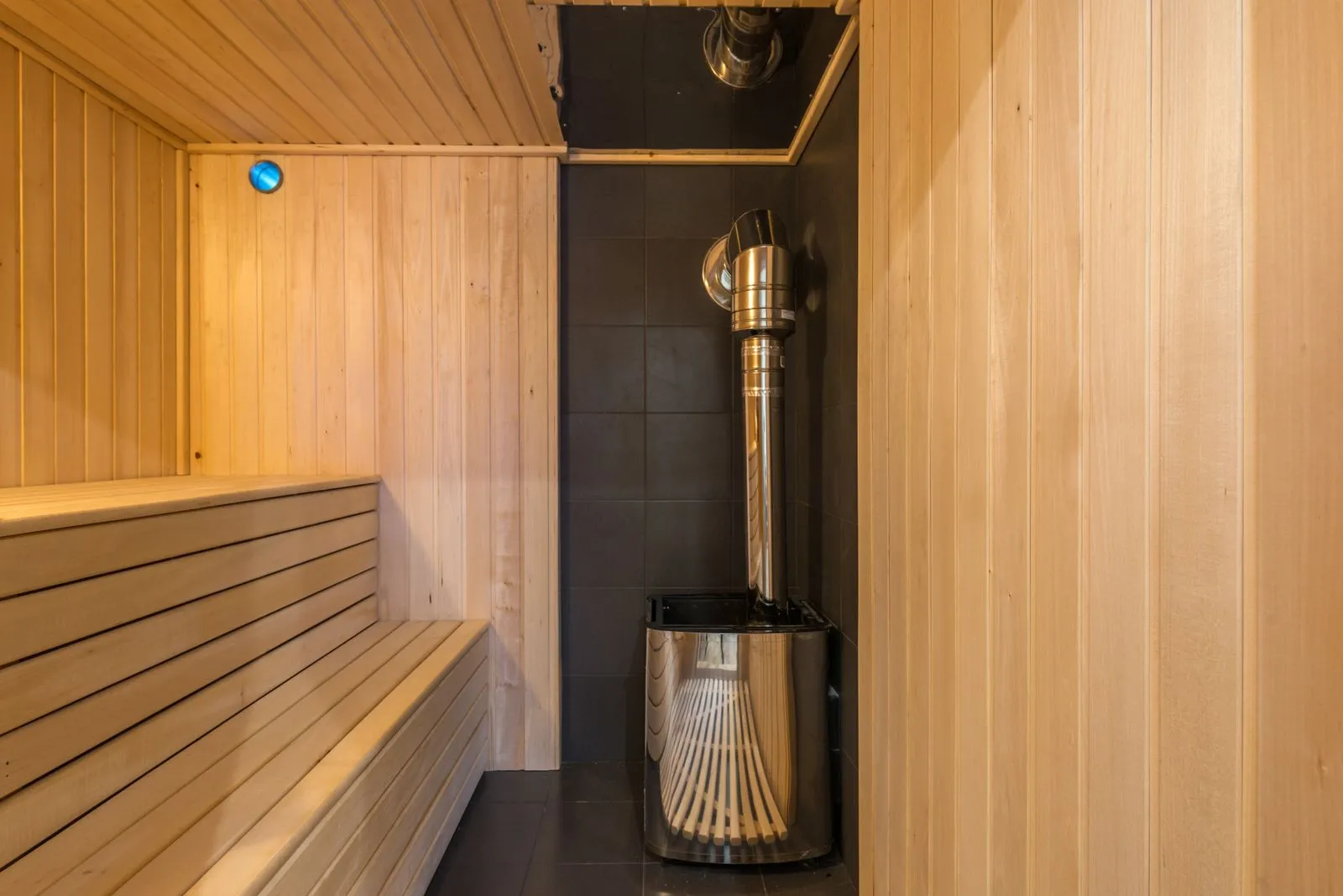
| Heater | Electric, sized to the room |
| Ventilation | Intake + exhaust; fan-assisted if no outside wall |
| Moisture | Continuous foil vapour barrier; drying after use |
Kit or custom
A prefab indoor kit drops neatly into a basement corner and handles the tricky details for you — a great route for a first home sauna. A custom build gives you a perfect fit but demands you get the ventilation and vapour barrier exactly right. Either way, the basement sauna turns dead downstairs space into a year-round retreat.
A basement sauna also benefits from the cool, stable surroundings. Because the space around it stays cool, the contrast when you step out is pleasant, and there is often room nearby for a cold shower or plunge to complete the ritual. Combined with the easy access to the electrical panel and a forgiving concrete floor, this is why the basement remains the classic, trouble-free spot for a home sauna.
Getting basement ventilation right
Ventilation is the detail that makes or breaks a basement sauna, because basements often lack an easy path to outside air. A sauna still needs a deliberate loop: fresh air entering low near the heater, and stale air leaving through an adjustable exhaust. Where there is no exterior wall to vent through naturally, a fan-assisted (mechanical) exhaust is commonly used to guarantee that airflow, ducted to a suitable outlet.
Plan this alongside the electrical rough-in, before the cladding goes up. Pair it with a continuous foil vapour barrier so the humidity of each session stays inside the sauna rather than migrating into your basement walls, and dry the room out with the vents open after use. Get the ventilation and vapour barrier right and a basement sauna is completely dry and fresh between sessions; skip them and you invite stuffiness, condensation and eventually mould. Because these are exactly the details a prefab kit handles for you, a self-contained basement unit is often the easiest route to a trouble-free downstairs sauna.
Frequently asked questions
Can you build a sauna in a basement?
Yes — basements are one of the best places for a home sauna: private, cool, and close to the electrical panel. Plan ventilation and a vapour barrier carefully.
How do you ventilate a basement sauna?
With deliberate intake and exhaust vents. Because a basement may have no exterior wall, a fan-assisted (mechanical) exhaust is often used to guarantee airflow.
Will a basement sauna make my basement damp?
Not if you install a continuous foil vapour barrier and ventilate properly. Those keep the humidity inside the sauna and dry it out between uses.
Do you need a drain for a basement sauna?
It is not always required for a home electric sauna, but a concrete basement floor is easy to add one to, and it makes cleaning easier.
Is a basement sauna electric or wood?
Electric. A wood stove needs a chimney and clearances that are impractical in a basement, so electric heaters are the standard indoor choice.
Is a basement a good place for a sauna?
Yes — it is the classic choice: private, cool, close to the electrical panel, and with a forgiving concrete floor. The two things to plan carefully are ventilation, since basements have less natural airflow, and a continuous vapour barrier.
How do you ventilate a basement sauna without an outside wall?
A fan-assisted (mechanical) exhaust, ducted to a suitable outlet, is commonly used to guarantee airflow where natural venting is not possible. Fresh air still enters low near the heater, and stale air is drawn out.
Why is a vapour barrier especially important in a basement sauna?
Because it keeps the humidity of each session inside the sauna rather than migrating into your basement walls, where trapped moisture could cause condensation and mould. Pair it with good ventilation and thorough drying.