Electric Saunas: How They Work and Who They Suit
An electric sauna heats a stone-topped element at the push of a button. Here is how electric saunas work, their pros and cons, and who they suit best.
The short answer
An electric sauna is a traditional Finnish sauna heated by an electric stove topped with stones. It makes real löyly, heats in 30–45 minutes at the push of a button, and is the most common choice for indoor and urban builds.
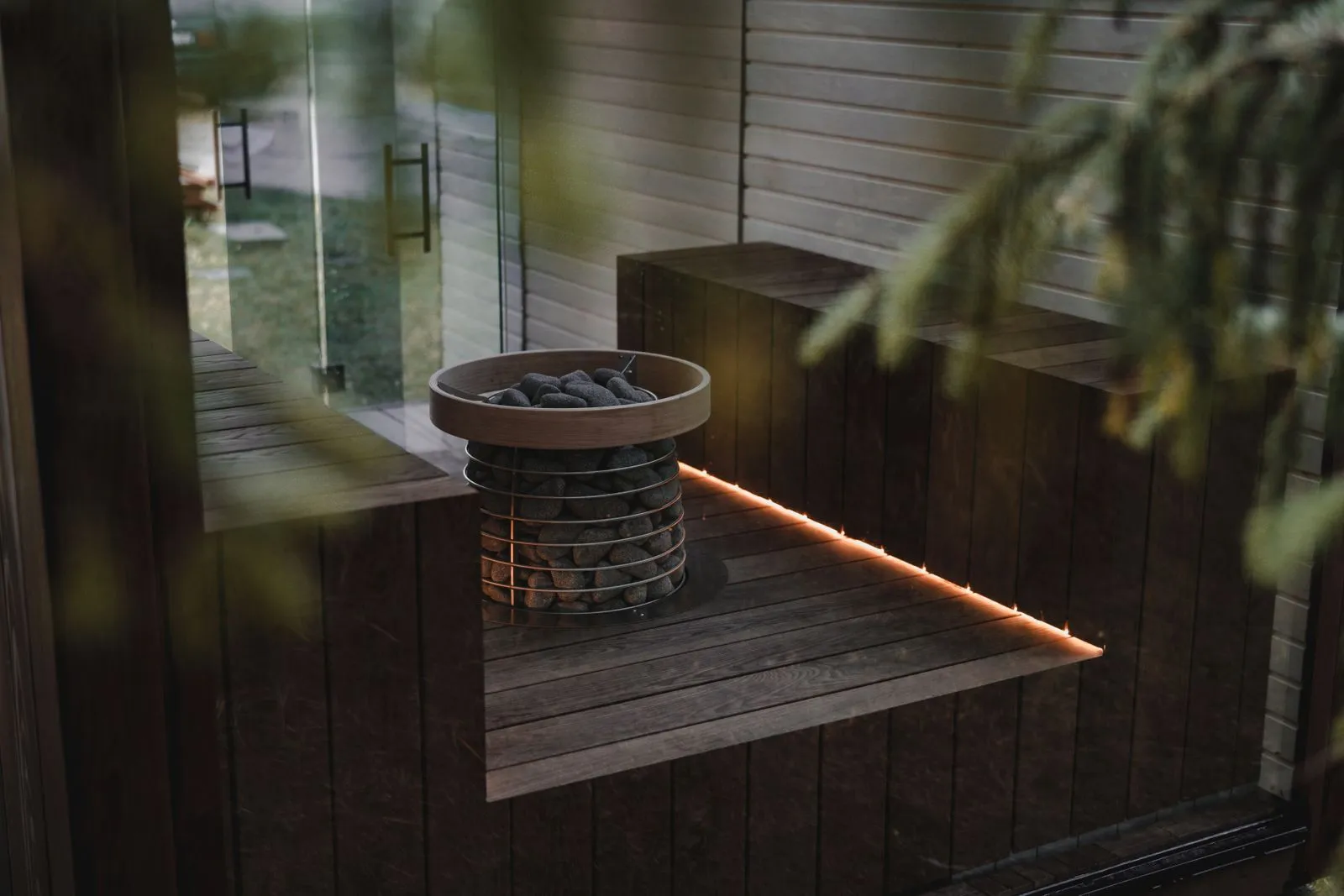
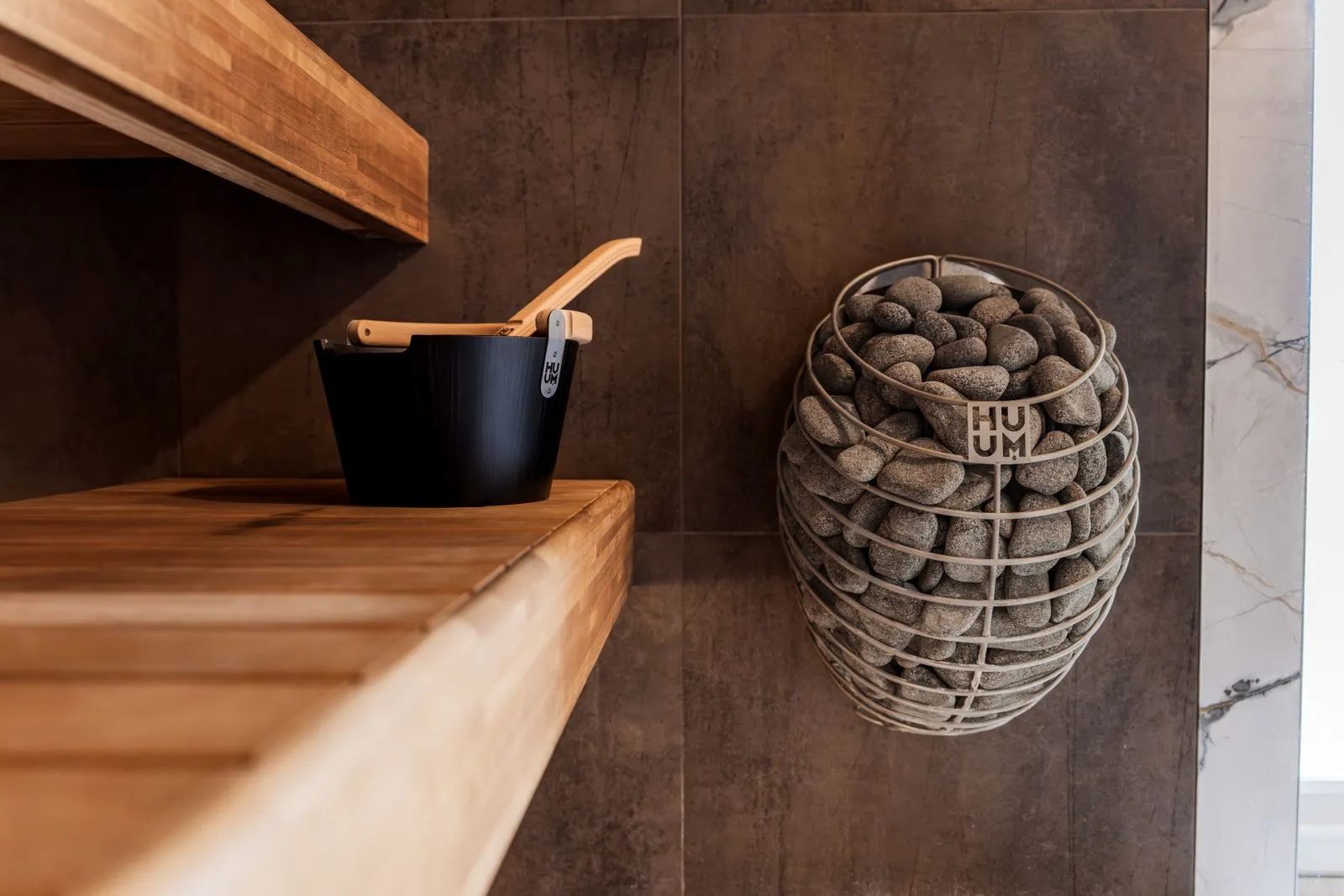
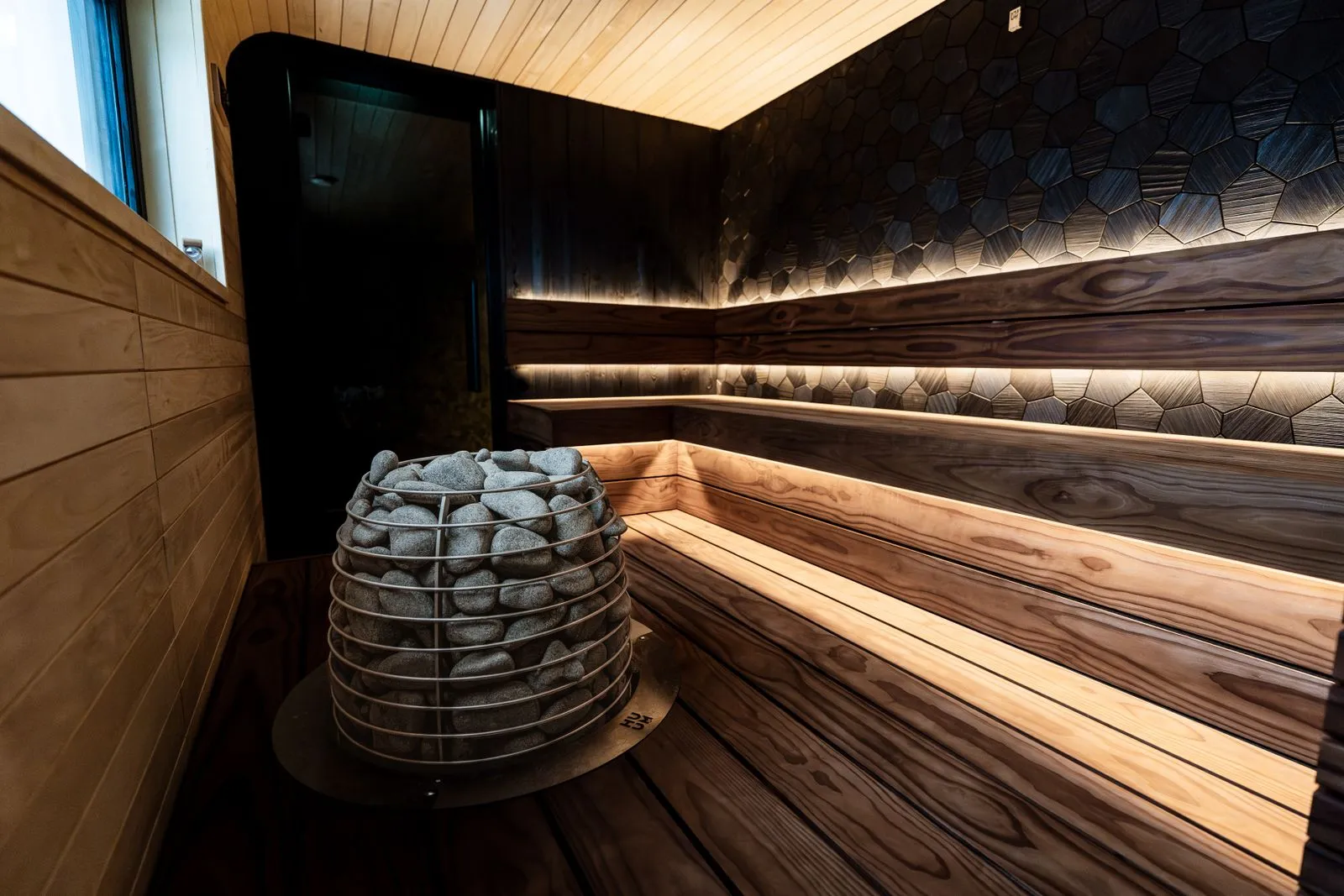
The electric sauna is the default modern sauna: a wood-lined room heated by an electric element buried in a mass of stones. It delivers the full traditional experience — high heat and löyly — with none of the fire-tending of a wood stove.
How an electric sauna works
An electric heater sits in the room, its heating elements surrounded by sauna stones. Switch it on and the elements heat the stones and the air; 30–45 minutes later the room is ready. Ladle water on the hot stones and you get steam, exactly as with any traditional sauna. A thermostat holds the temperature, and a timer or wall control turns it on and off.
Who it suits
Electric is the pragmatic choice for most people. If you have power at the location and want convenience, it is hard to beat.
Pros
- Push-button convenience and a thermostat
- Clean — no smoke, ash or chimney
- Fast, predictable heat-up
- Ideal for indoor, basement and urban builds
Cons
- Needs a dedicated 240V circuit
- Tied to grid power
- Running cost is your electricity rate
Sizing and installation
The one thing to get right is the heater size — about 1 kW per 1.3 m³ of room. Our electric heater sizing guide walks through the arithmetic, and the installation and safety guide covers the wiring, which must be done by a licensed electrician.
Electric vs. wood
If you are off-grid or want the ritual of a fire, a wood-burning sauna may suit you better; we compare them directly in electric vs. wood-burning heaters. For an indoor room, though, electric is almost always the answer.
Electric heaters also give you fine control over the session. A thermostat holds your chosen temperature, and adding water to the stones lets you raise the humidity in bursts whenever you want a stronger löyly — so a single electric sauna comfortably serves both those who like it hot and dry and those who prefer softer, steamier heat. That controllability, combined with push-button convenience, is why electric dominates home saunas.
Running an electric sauna day to day
Living with an electric sauna is refreshingly simple. You set the temperature or a timer, wait for the heat-up, and use it — there is no fuel to manage and nothing to clean up afterward but the usual wipe-down and dry-out. Over a week of regular use, the main habits are hydrating around sessions, sitting on a towel, and letting the room dry with the vents open each time.
The one ongoing task specific to the heater is the stones. Once or twice a year, restack them loosely and discard any that have crumbled, so airflow around the elements stays open — the single biggest factor in how long the elements last. Beyond that, an electric sauna asks very little. Keep the heater sized correctly to the room, the ventilation working, and the wood dry, and it will deliver a soft, reliable löyly for many years with almost no fuss — which is exactly why electric is the default choice for indoor and everyday home saunas.
Frequently asked questions
Do electric saunas make steam (löyly)?
Yes. An electric heater warms a mass of stones just like a wood stove, so ladling water on them produces genuine löyly. Only infrared saunas cannot make steam.
How long does an electric sauna take to heat up?
Typically 30–45 minutes to reach 80–90°C in a correctly sized, well-insulated room. Wait for the full warm-up so the stones are hot before adding water.
Do electric saunas use a lot of electricity?
A correctly sized, well-insulated electric sauna used a few times a week is modest to run. Cost depends on the heater size, session length and your local electricity rate.
Can an electric sauna go outdoors?
Yes, if power is run to the site by a licensed electrician. Many barrel and cabin saunas use electric heaters. Off-grid sites usually choose wood instead.
What wiring does an electric sauna need?
A dedicated 240V circuit sized to the heater rating, installed by a licensed electrician to local code. See our heater installation guide for details.
Can you control the humidity in an electric sauna?
Yes — the thermostat holds the temperature, and ladling water on the hot stones raises humidity in bursts, so you control how dry or steamy each session feels. A combi electric heater can add continuous humidity if you want more.
Can you leave an electric sauna heater on a timer?
Yes — most electric heaters have a timer, and app-controlled models let you pre-heat remotely. Use the timer so the heater switches off after your session rather than being left running, which wastes energy.
How long do electric sauna heaters last?
Many years with good care. The elements wear over time, and the biggest factor in their life is keeping the stones loosely stacked and fresh so air circulates — packed or crumbled stones cause elements to overheat and fail early.