Outdoor Saunas: A Complete Guide for Canadian Backyards
How to choose and site an outdoor sauna in Canada: barrel vs cabin, electric vs wood, foundations, clearances and winter-ready details that matter.
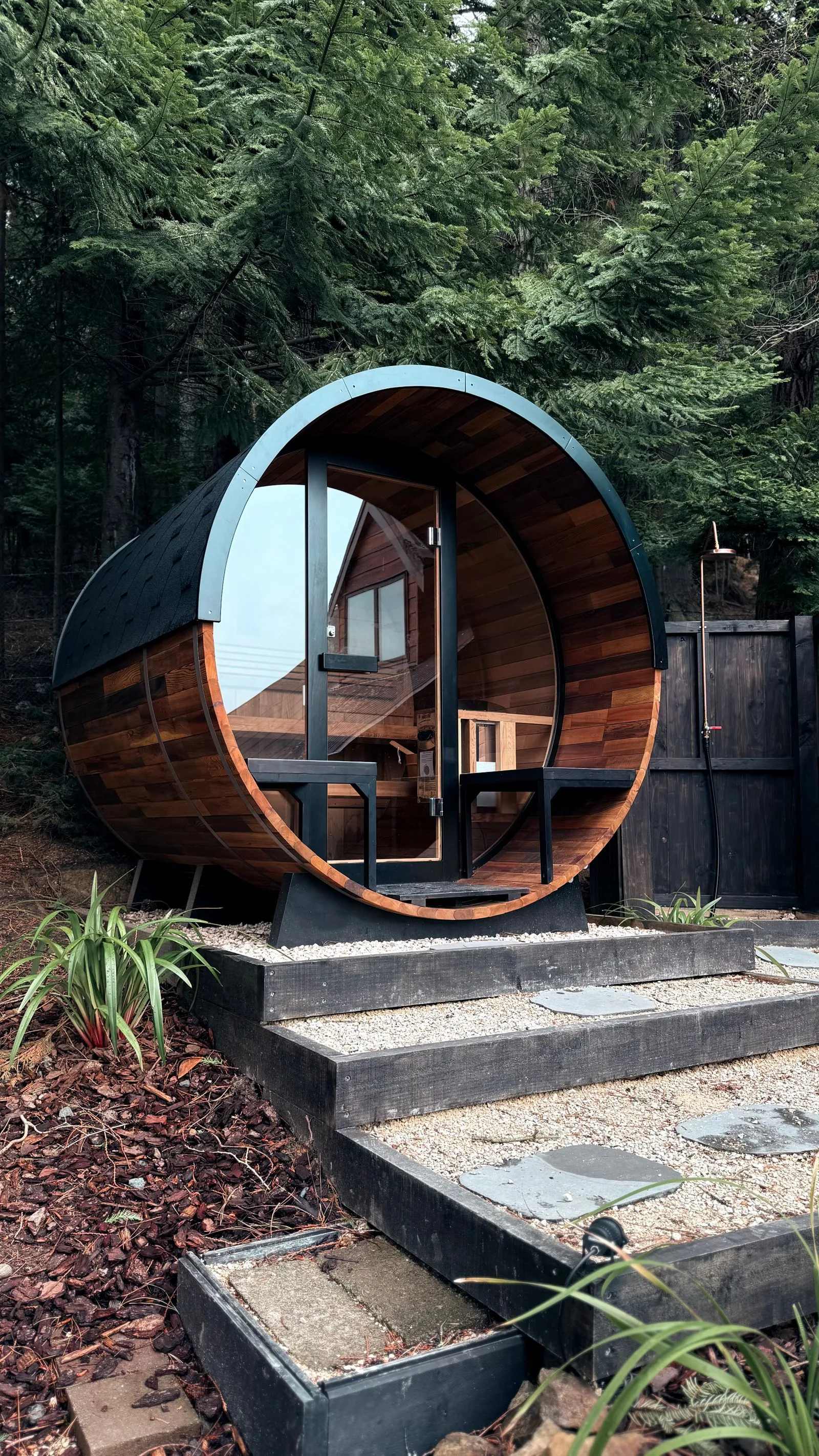
An outdoor sauna turns a backyard into a year-round retreat, and in the Canadian climate — where the shoulder seasons are long and winter is the main event — it earns its keep more than almost anywhere. But an outdoor build has to contend with weather, foundations, clearances and power in ways an indoor room never does. This guide walks through the decisions in order.
The short answer
An outdoor sauna is a freestanding heat bath — commonly a barrel or cabin — sited in a yard or at a cottage. The big decisions are shape, heat source (electric or wood), foundation, and siting for clearances and a cold-plunge routine. In cold climates, insulation and sealing matter most.
Barrel or cabin?
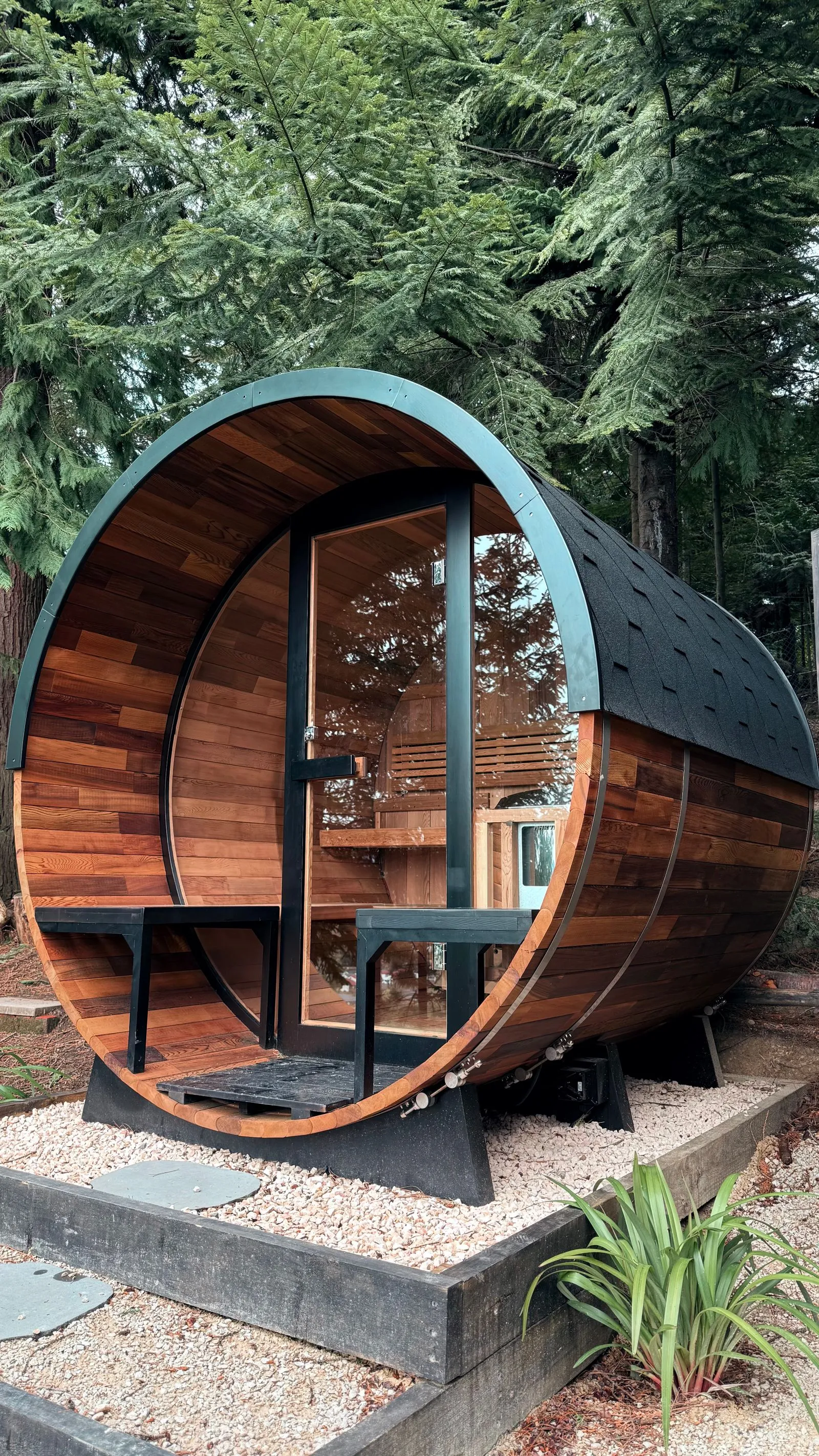
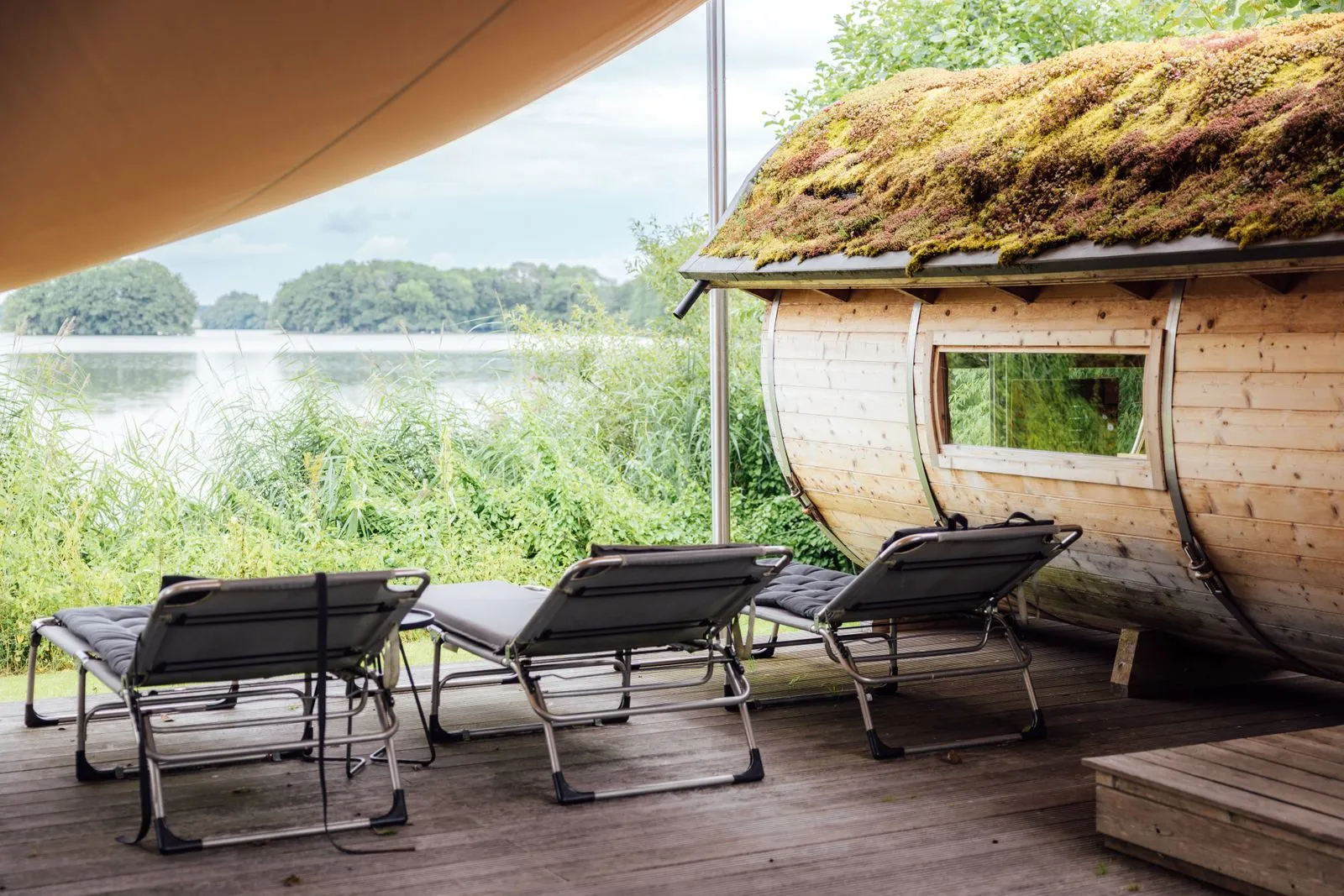
The two dominant outdoor forms are the barrel and the flat-walled cabin.
| Barrel | Cabin | |
|---|---|---|
| Heat-up speed | Faster (less air volume) | Slower but more even |
| Headroom | Limited, curved | Full standing height |
| Insulation | Single-wall staves | Can be double-wall, warmer |
| Look | Iconic, compact | Cottage-like, roomier |
| Best for | Efficiency, tight yards | Comfort, extreme cold |
We compare these head-to-head in barrel vs. cabin saunas. For most backyards a barrel is the efficient default; for an exposed, very cold site or a group, a well-insulated cabin pays off.
Electric or wood-burning?
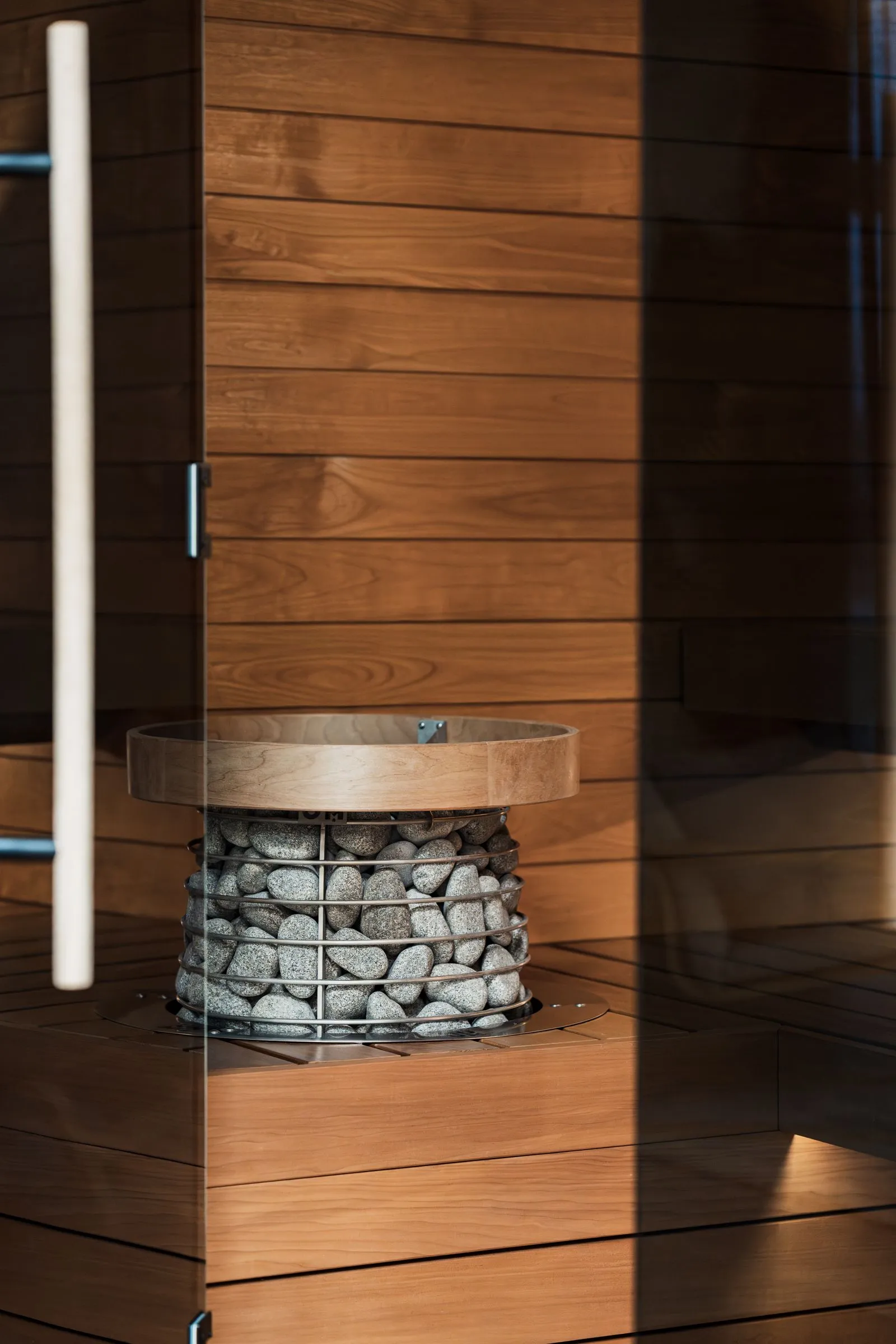
If you have power at the site, an electric heater is the simplest, cleanest option — no chimney, no fuel, just a timer. If you’re off-grid or want the crackle and deep heat of a fire, a wood-burning stove is traditional and independent of the grid, but adds a chimney, clearances and fuel storage. Both make genuine löyly; the choice is about convenience versus ritual and infrastructure.
Foundation and siting
An outdoor sauna needs a level, well-drained base that keeps it off wet ground. Options, roughly from simplest to most permanent:
- Compacted gravel pad — good drainage, forgiving, common for barrels.
- Concrete piers — level and stable on sloping ground.
- Patio slab or deck — convenient if you already have one rated for the weight.
Building for the Canadian winter
Winter is when an outdoor sauna is best — and when the details matter.
- Insulate and seal. Good weatherstripping on the door and, for cabins, insulated double walls, cut heat-up time and hold temperature against the cold.
- Plan the cold side. A cold plunge, a snowbank, or even a cold shower nearby turns the sauna into a full contrast ritual.
- Manage the path. A short, safe, non-slip route between the house, the sauna and the cold-down spot makes winter use realistic.
- Protect the exterior. Snow load sheds off a barrel naturally; a cabin roof should be pitched and flashed for it.
Practical buying advice
Before you commit, read our dedicated outdoor sauna buying guide for a full checklist. In short: buy the right wood (cedar or thermally-modified timber), size the heater to the room, confirm the foundation before delivery, and check what local permits and setbacks apply. Get those right and an outdoor sauna will reward you through every season — most of all the cold ones.
Frequently asked questions
Do I need a permit to build an outdoor sauna in Canada?
Often, yes — many municipalities require a permit for a permanent structure or for the electrical work, and setback rules apply. Requirements vary by city and province, so check with your local building department before you build.
What foundation does an outdoor sauna need?
A level, well-drained base: compacted gravel, concrete piers, a patio slab or a deck rated for the weight. The key is keeping the structure off wet ground and allowing water to drain away.
Electric or wood-burning for an outdoor sauna?
Electric is simplest if power is available and gives push-button convenience. Wood-burning suits off-grid sites and delivers the most traditional feel, but needs a chimney, clearances and fuel storage.
How far from the house should an outdoor sauna be?
Far enough to meet local setback and fire-clearance rules, and to manage smoke if wood-fired, but close enough for a comfortable cold-weather dash back inside. Many owners site it near a cold plunge or shower.
Can an outdoor sauna stay heated in winter?
It heats and holds fine in winter if it's well insulated and sealed. You don't leave it running; you heat it before each session. Good weatherstripping and thicker walls make cold-weather heat-up faster.
What is the most important thing when planning an outdoor sauna?
In the Canadian climate, insulation and a tight door seal for winter performance, plus siting it where the walk from the house is short and safe so you actually use it. Get the foundation level and drained before delivery, and confirm any permits your municipality requires.