Wood-Burning Sauna Heaters: A Practical Guide
Wood-burning sauna stoves deliver deep, traditional heat off-grid. Here's how they work, what to look for, clearances, and how they compare to electric.
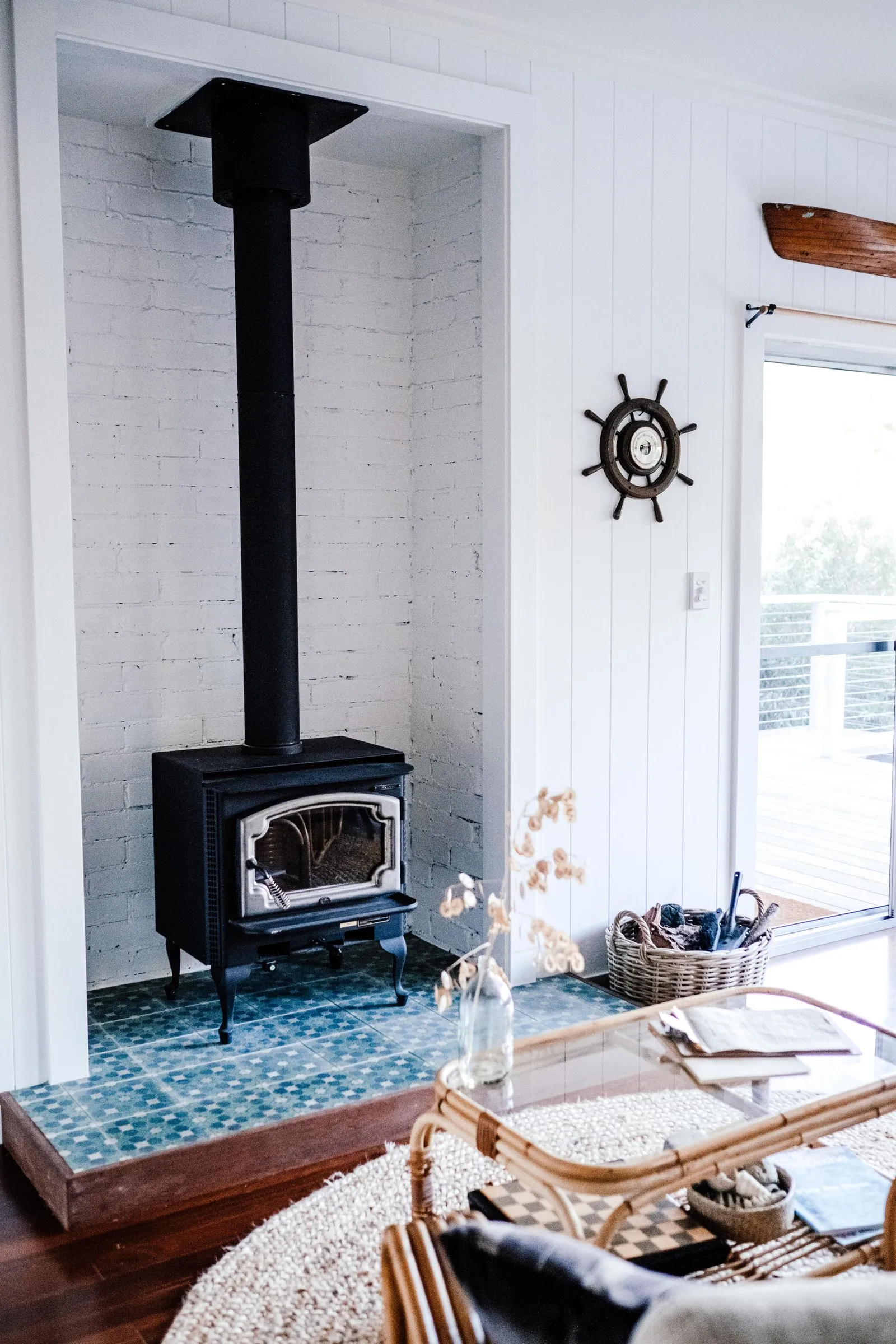
For many people the wood-burning stove is the sauna — the crackle of the fire, the smell of birch smoke, the deep enveloping heat that an element somehow never quite matches. A wood heater also frees the sauna from the grid, which is why it dominates at cottages and off-grid builds across Canada. Here’s how it works and what to look for.
The short answer
A wood-burning sauna heater burns wood in a firebox to heat a mass of stones, which store the heat and produce löyly when you add water. It delivers deep, traditional heat and works off-grid, but requires a chimney, clearances, fuel and a 45–60 minute warm-up.
How it works
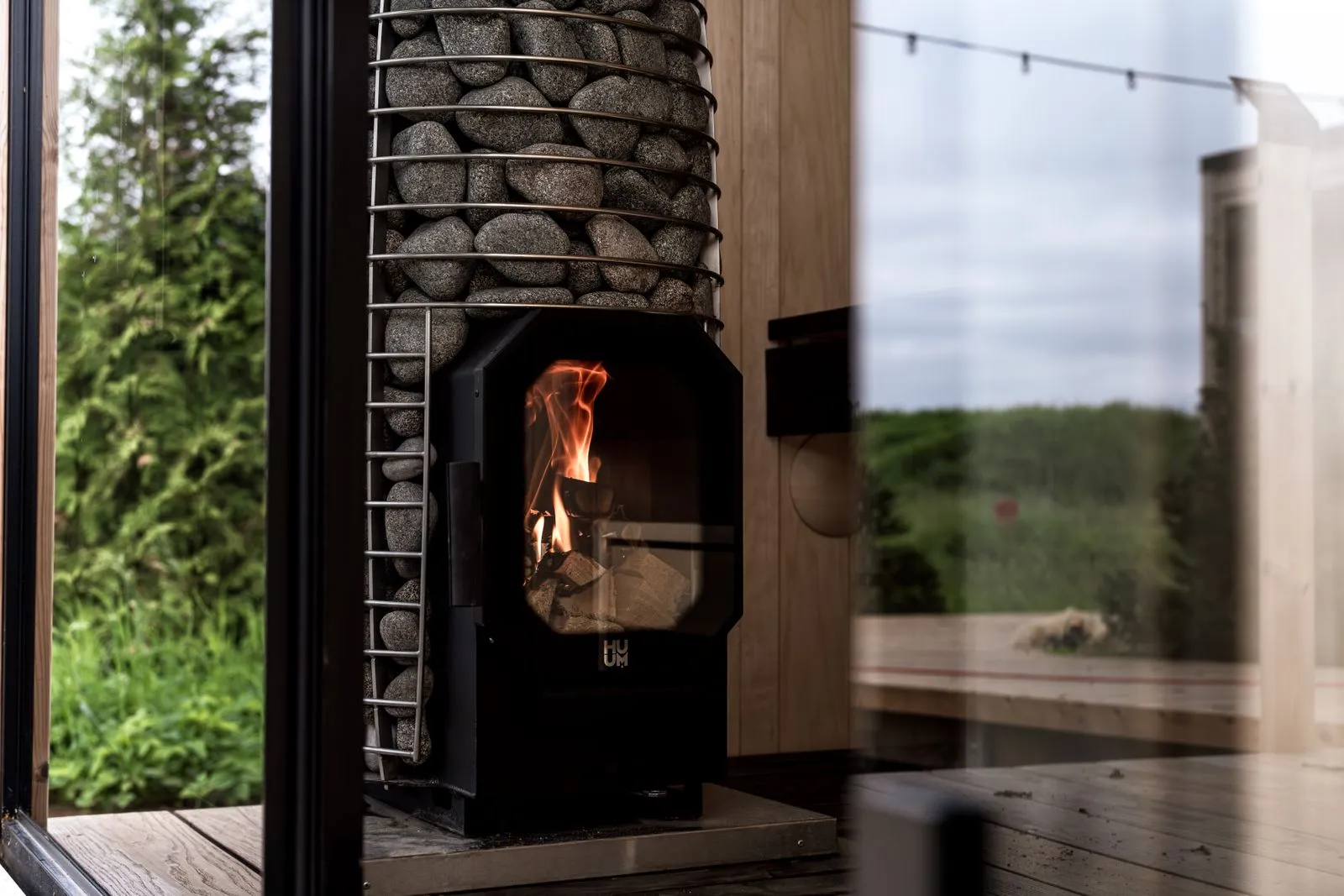
The principle is identical to an electric heater: heat a large mass of stones, then flash water on them for steam. The difference is the energy source. A firebox burns wood; the flue gases and firebox surfaces heat the stones piled on top of and around the stove. Many designs route the smoke path through the stone chamber to extract as much heat as possible before it reaches the chimney.
Because you’re managing a fire rather than a thermostat, there’s a craft to it — building the fire, feeding it, and reading when the stones are ready. Some owners consider that a chore; most consider it the point.
What to look for
| Feature | Why it matters |
|---|---|
| Firebox size & feed | A through-wall feed lets you tend the fire from outside the hot room |
| Stone capacity | More stones = softer, longer-lasting löyly |
| Material | Thick steel or cast iron for durability and even heat |
| Air control | A good damper lets you regulate the burn |
| Chimney system | Insulated, correctly sized, with proper clearances |
| Certification | Look for testing/listing appropriate to your jurisdiction |
The trade-offs vs. electric
Wood-burning
- Deep, traditional heat and real löyly
- Works completely off-grid
- The ritual of the fire and birch smoke
- No electrical supply upgrade needed
Compared with electric
- Needs a chimney, clearances and fire safety
- Slower to heat and needs tending
- Fuel to source, split, dry and store
- Not always permitted on urban lots
If convenience is the priority and you have power, electric wins — see the full electric vs. wood-burning comparison. If independence and atmosphere matter more, wood is unbeatable.
Safety and installation
A solid-fuel appliance in a small wooden room demands respect. The stove needs correct clearances to combustible walls and benches, a non-combustible floor protector, and an insulated chimney installed to code with the right height and a spark arrestor where required. This is not the place to improvise — read our heater installation and safety guide and follow the manufacturer’s instructions and your local fire code. Where required, have the installation inspected.
Running it well
- Burn dry hardwood. Birch is the classic sauna wood; maple and oak work well. Season it properly.
- Never burn treated or painted wood, or anything damp — it smokes, pollutes and coats the chimney with creosote.
- Let the stones fully heat before the first löyly, just as with any sauna.
- Sweep the chimney on a schedule; creosote buildup is the main fire risk.
Choose wood if you want the most traditional sauna there is and the freedom to heat it anywhere. Match it with the right stones, a safe chimney, and good dry fuel, and a wood-burning stove will give you the kind of heat that made saunas famous in the first place.
Frequently asked questions
How does a wood-burning sauna heater work?
A firebox burns wood and heats a mass of stones stacked on or around it. The stones store the heat and let you make löyly by ladling water on them, exactly as with an electric heater — the difference is the fuel.
How long does a wood-burning sauna take to heat?
Typically 45–60 minutes to reach a full 80–90°C, depending on the stove, the wood, and how cold it starts. Dry hardwood and a good draw make a noticeable difference.
Do wood-burning sauna heaters need a chimney?
Yes. They require a proper insulated chimney with correct clearances to combustibles and a spark arrestor where required. Follow the manufacturer's instructions and local fire code.
Are wood-burning saunas legal in the city?
It depends on local bylaws around solid-fuel appliances, smoke and setbacks. Rural and cottage properties are usually straightforward; urban lots may restrict them. Check locally before buying.
What wood should I burn in a sauna stove?
Dry, seasoned hardwood such as birch, maple or oak burns hot and clean. Avoid softwood-heavy loads, painted or treated wood, and anything damp, which smokes and creosotes the chimney.