Barrel Saunas: Pros, Cons and Whether One Suits You
A barrel sauna is a cylindrical outdoor sauna that heats fast and sheds rain well. Here are the real pros, cons and what to check before buying one.
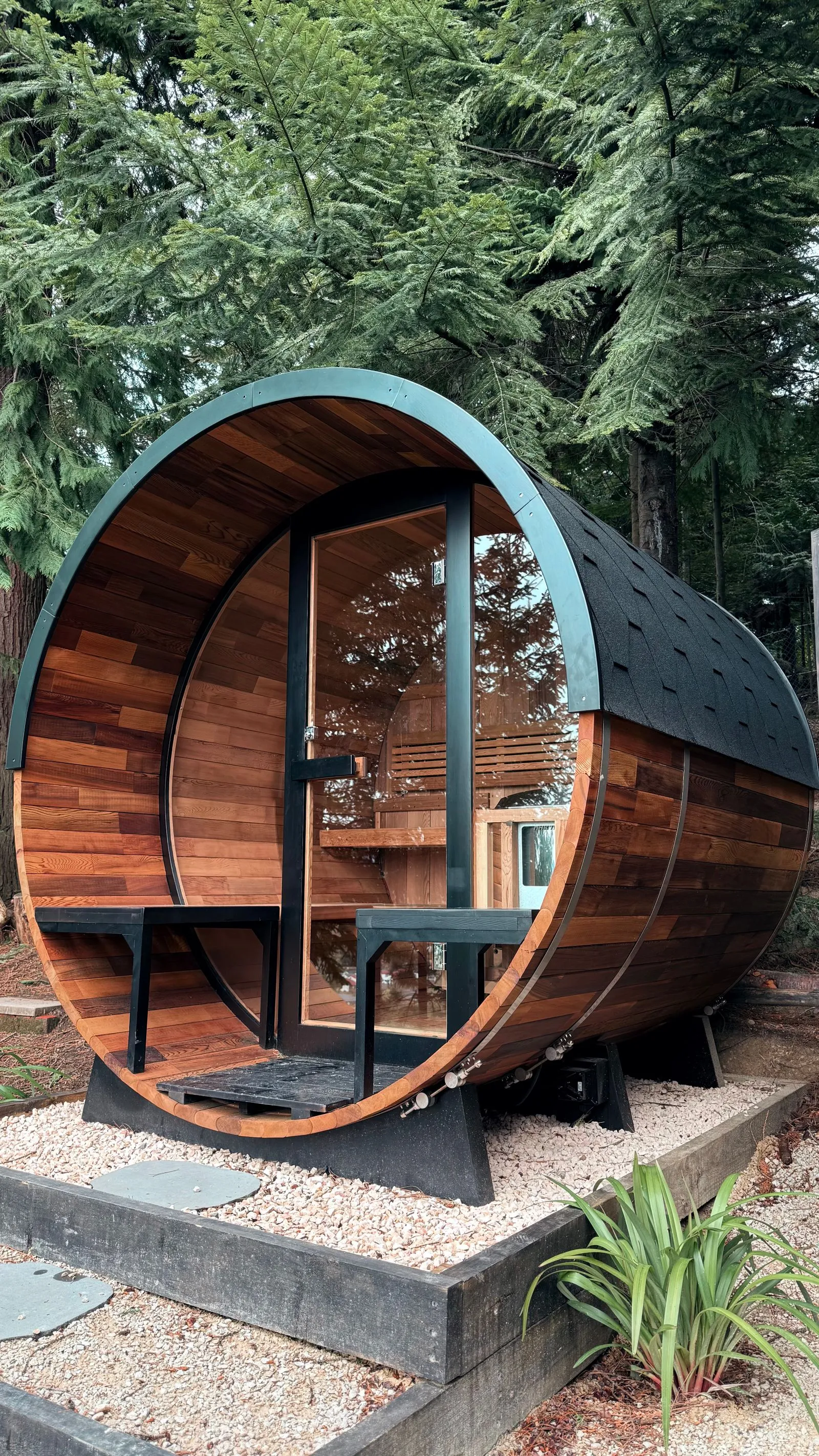
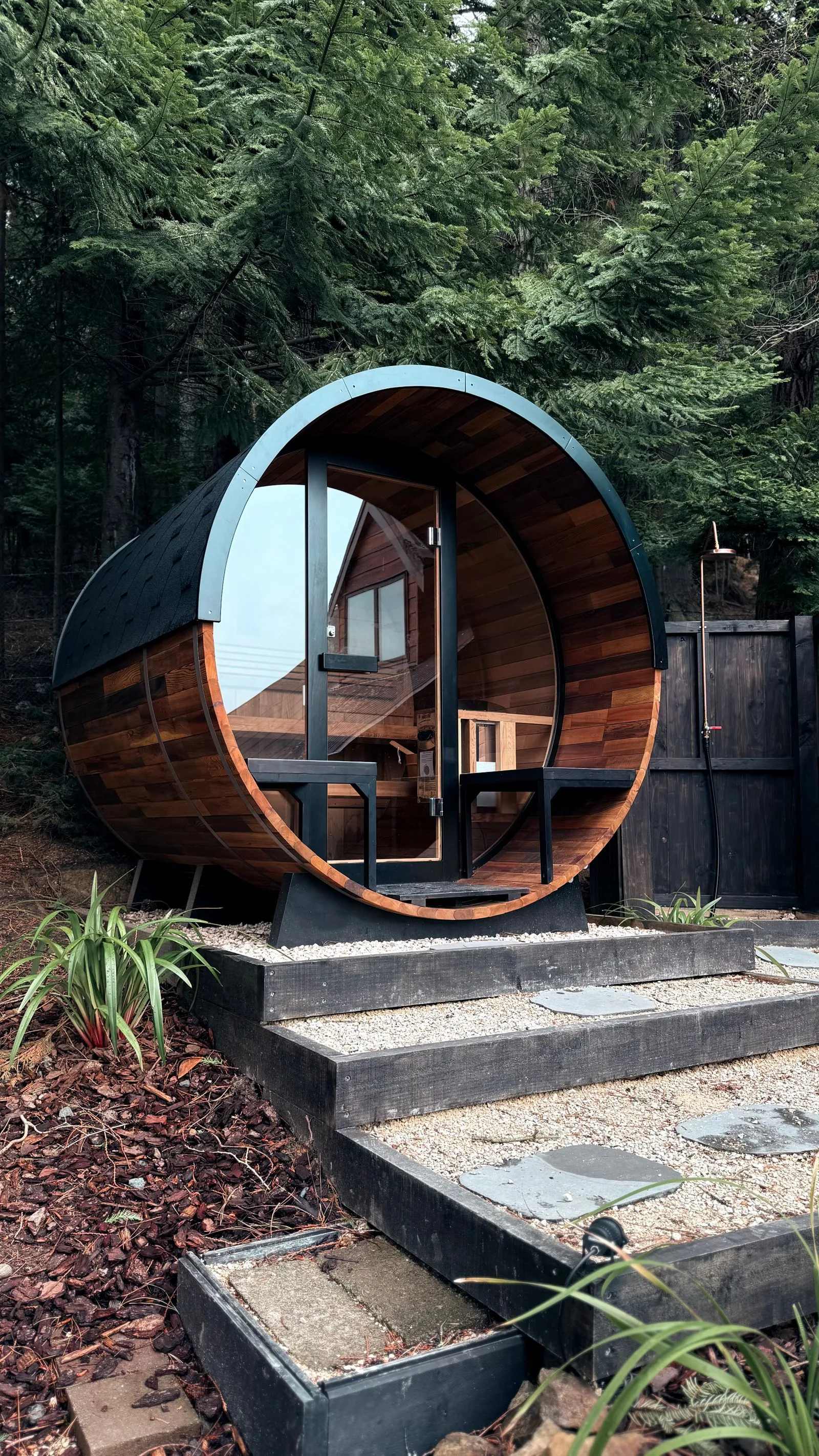
The barrel sauna has become the default image of a backyard sauna, and for good reason: it is compact, it heats quickly, and it looks the part under a stand of trees. But the shape is a genuine engineering choice, not just a style, and it comes with trade-offs worth understanding before you buy.
The short answer
A barrel sauna is a cylindrical, usually outdoor sauna built from curved wooden staves held by steel bands. The round profile shrinks the air volume, so it heats fast and efficiently, while the curved top sheds rain and snow. The trade-offs are limited headroom and the maintenance that solid-wood staves demand.
Why the barrel shape works
Heat rises and collects at the ceiling. In a square room, all the air in the high corners has to be warmed even though no one’s head is up there. The barrel removes those corners: the curve follows roughly where the heat wants to sit, so there’s less wasted air volume to bring up to temperature. The result is a faster warm-up and lower running costs than a boxy cabin of similar seating.
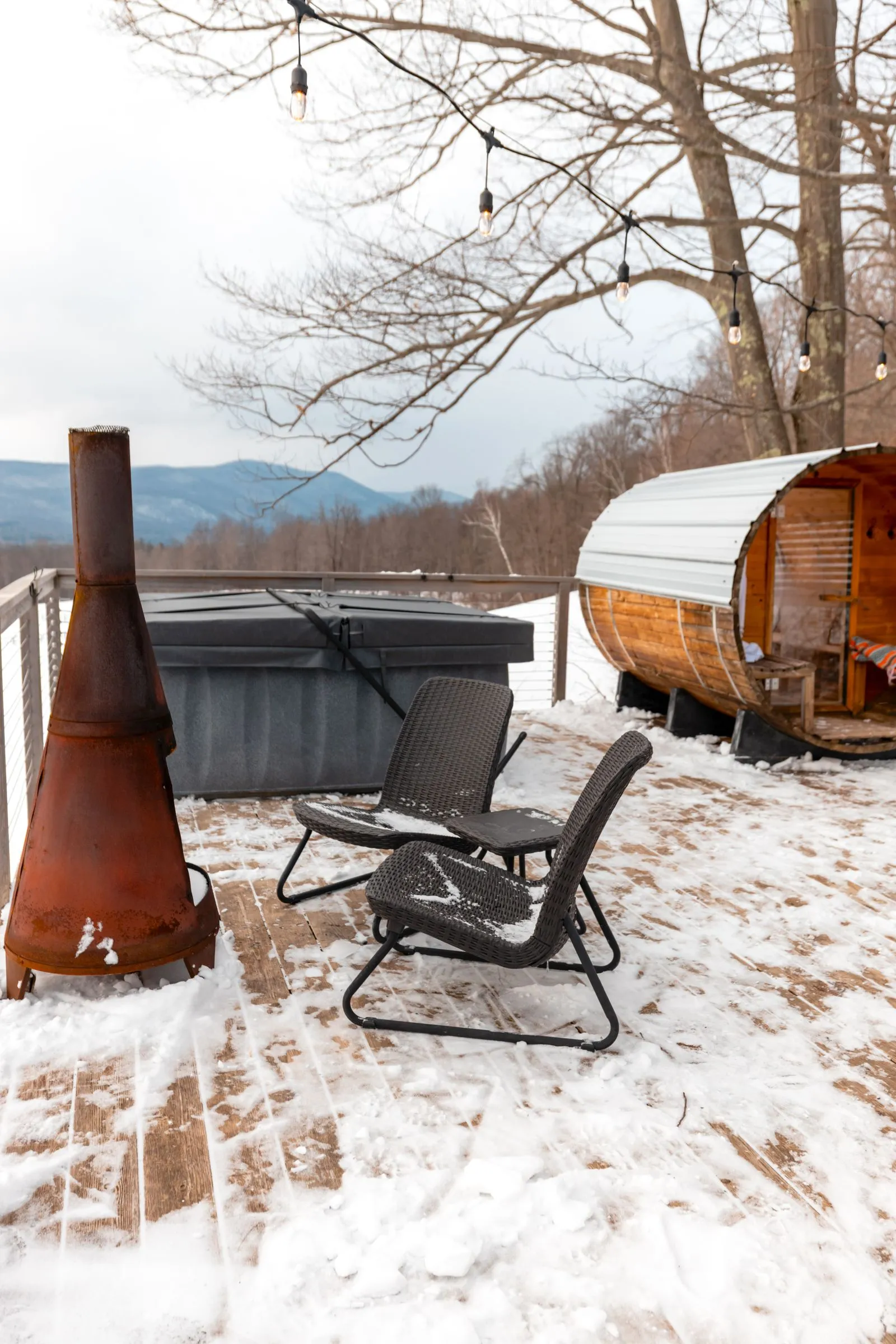
The curved roof is the second advantage. Rain and snow slide off the top without a separate pitched roof, which keeps the whole structure simple and cheaper to build — a real benefit in wet or snowy climates.
The honest trade-offs
Pros
- Fast heat-up and good energy efficiency
- Sheds rain and snow without a separate roof
- Compact footprint that fits most backyards
- Comes as a kit — assembly is achievable in a day or two
Cons
- Curved walls limit headroom and bench comfort
- Solid staves can shrink and swell with humidity
- Round floor means a bit of wasted corner space inside
- Less insulation than a double-wall cabin in extreme cold
The comfort question is real. A flat-walled cabin sauna gives you a proper backrest and full standing height; a barrel curves away behind your shoulders and overhead. Many people don’t mind, but taller bathers should sit in one before committing.
What to check before buying
| Feature | What good looks like |
|---|---|
| Wood | Western red cedar or thermally-modified timber — stable and rot-resistant |
| Stave thickness | Thicker staves (42 mm+) hold heat better in cold climates |
| Bands | Stainless or coated steel, re-tightenable as wood moves |
| Door | Tempered glass with a tight seal; hinges that won’t sag |
| Benches | Removable for cleaning; comfortable back angle |
| Heater | Sized to the barrel’s volume — see our sizing guide |
Living with a barrel sauna
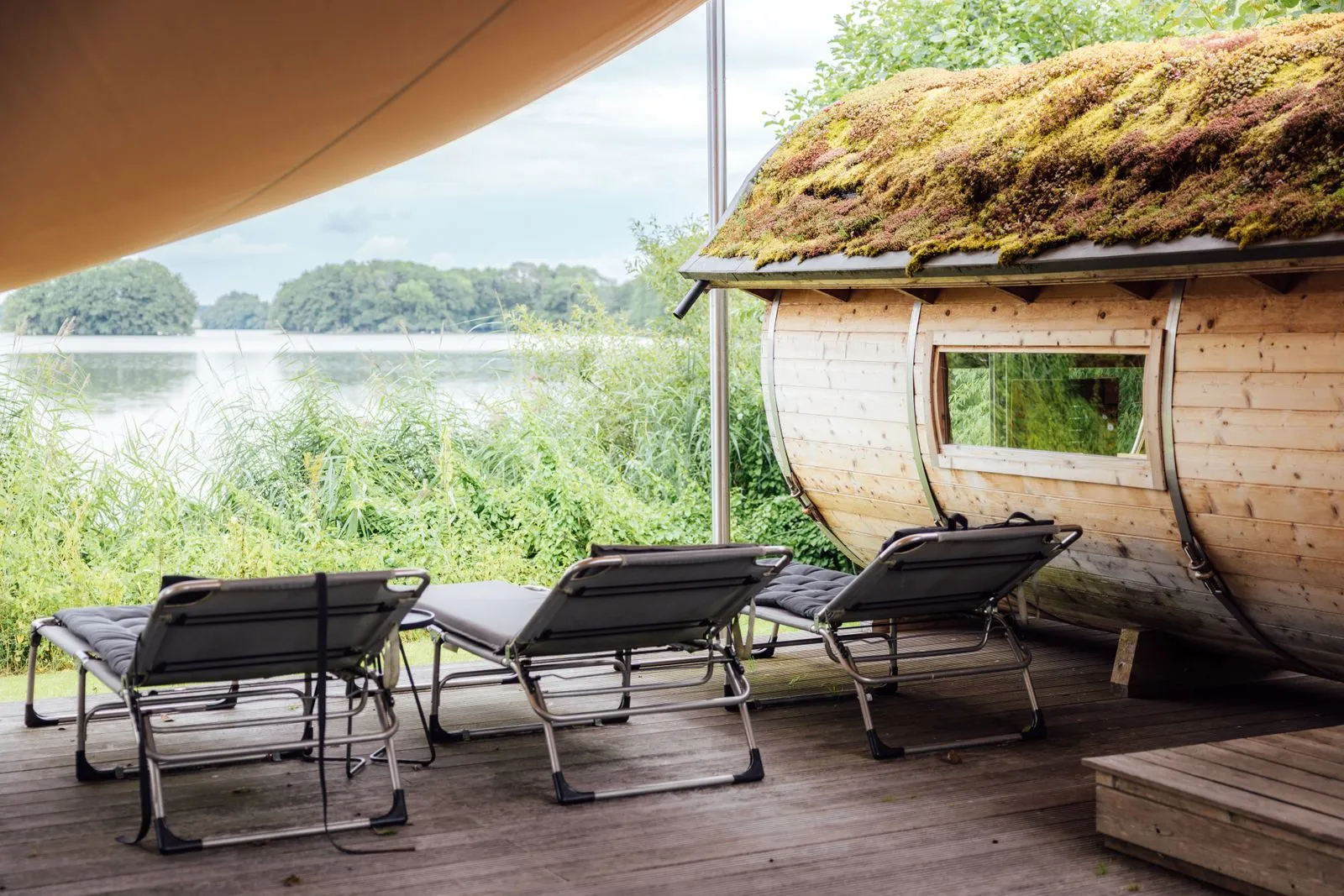
Solid-wood staves move with the seasons. When the sauna sits unused in dry weather, the wood can shrink and you may see daylight between staves; the first heat cycle swells them shut again. This is normal for solid wood. The maintenance rhythm is simple: keep the interior dry and ventilated between uses, re-tension the bands when needed, and treat the exterior according to the maker’s guidance. Our general maintenance checklist applies here too.
Is a barrel right for you?
Choose a barrel if you want an efficient, good-looking outdoor sauna that heats fast and installs quickly, and you’re comfortable with the curved interior. Look instead at a cabin if headroom, a flat backrest, or maximum insulation for an exposed, very cold site matter more. Either way, size the heater to the room and plan for proper ventilation and a solid foundation — the shape of the shell doesn’t change those fundamentals. For a broader view of backyard options, start with our outdoor sauna guide.
Frequently asked questions
Why are barrel saunas shaped like a barrel?
The round shape reduces the air volume above your head, so the room heats faster and uses less energy, while the curved roof sheds rain and snow without a separate roof structure.
How long does a barrel sauna take to heat up?
Because there's less dead air to warm, a barrel sauna typically reaches temperature in 30–45 minutes with an electric heater, or 45–60 minutes with a wood stove.
Do barrel saunas leak or rot?
A well-built cedar or thermally-modified barrel resists rot, but the staves can shrink in dry weather and swell when used. Quality builds use tight banding and good end-grain sealing to manage this.
Are barrel saunas good in a Canadian winter?
Yes — the compact shape heats quickly and the curved top sheds snow. In very cold regions, look for thicker staves and a well-sealed door to hold heat.
How many people fit in a barrel sauna?
Common sizes seat 2 to 6. A 6-foot (1.8 m) barrel comfortably seats 2–4; longer 7–8-foot barrels add a facing bench or room to lie down.