Contrast Therapy Explained: The Hot–Cold Cycle
Contrast therapy alternates sauna heat with cold plunge. Here's how the hot–cold cycle works, a simple protocol, the claimed benefits and the safety limits.
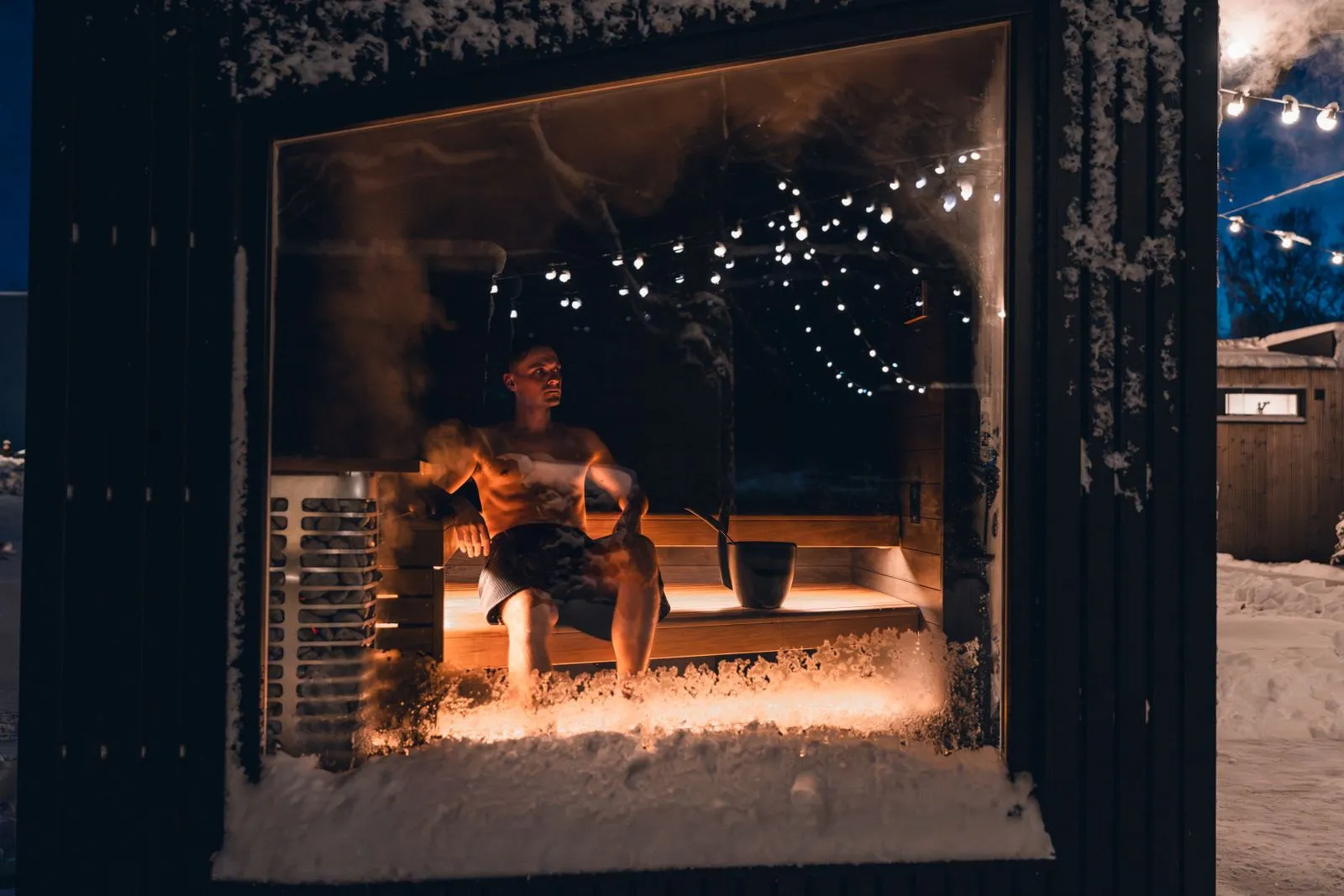
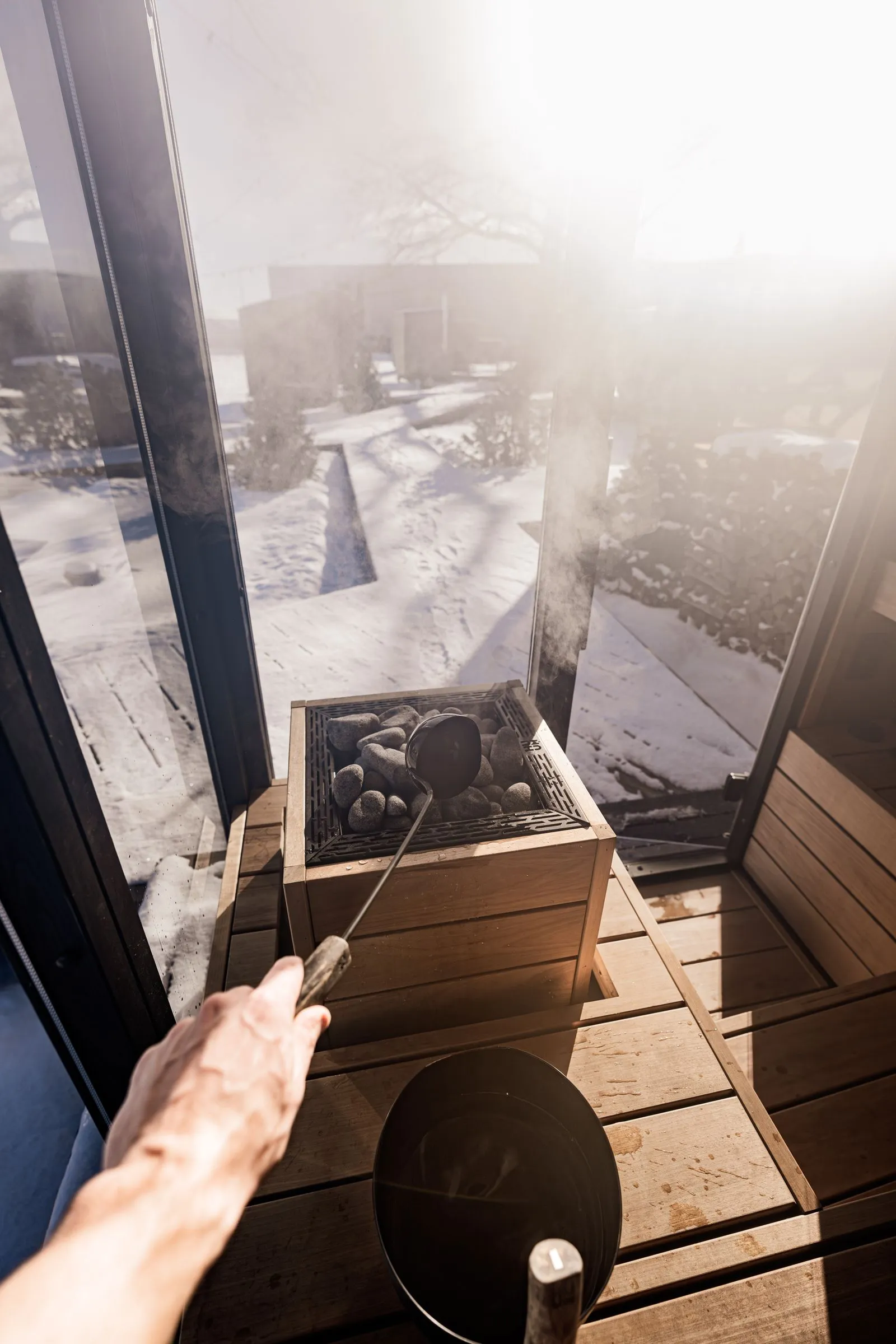
Contrast therapy is the practice at the centre of the whole SaunAlmanac worldview — it’s why our very identity is built on the duality of hot cedar and cold stone. Strip away the wellness marketing and it’s beautifully simple: get hot, get cold, rest, repeat. The alternation itself is the point, and it’s what turns two separate sensations into one deeply satisfying ritual.
The short answer
Contrast therapy alternates heat and cold: a hot sauna round, then a brief cold plunge, then rest — repeated two or three times. The rapid hot-to-cold switch is what people find invigorating and restorative. It’s a cardiovascular stress, so it isn’t for everyone.
How the cycle works
Each phase does something distinct, and the sequence matters:
- Heat opens you up — you sweat, your surface circulation rises, and you relax into the warmth.
- Cold snaps the system the other way — a sharp, alert, breath-catching jolt that many describe as a reset.
- Rest is where the two meet: the calm, clear-headed afterglow that makes the whole thing worthwhile.
Run through that loop a few times and you finish relaxed but sharp — a combination that’s hard to get any other way.
A simple protocol
| Phase | Duration | Notes |
|---|---|---|
| Sauna | 8–15 min | Comfortable heat; don’t tough out discomfort |
| Cold plunge | 15 sec–2 min | Short; control your breathing |
| Rest | 2–5 min | Rehydrate, let your body settle |
| Repeat | 2–3 cycles | Finish on cold or on a calm rest |
What it does and doesn’t do
People consistently report three things from contrast therapy: less muscle soreness, a big lift in mood and alertness, and deep relaxation afterward. The subjective effects — the invigoration and the sense of recovery — are reliable and well-documented in experience if not always in hard clinical outcomes. Claims about specific physiological mechanisms are more mixed, so it’s best to value contrast therapy for how unmistakably good it feels and the way it anchors a regular wellness habit, rather than for any single medical promise. Our sauna health benefits article takes the same measured view of the evidence.
Making it part of your setup
The practical requirement is simply having both poles available and close together:
- A sauna, electric or wood-fired.
- A cold option nearby — a plunge tub, cold shower, lake or, in a Canadian winter, snow.
- A comfortable, sheltered spot to rest between rounds.
Siting the cold source a few steps from the sauna door is what makes the cycle effortless enough to actually do, especially in winter. Plan them together, as we suggest in the outdoor sauna guide.
Safety
For healthy adults who respect those limits, the hot–cold cycle is one of the great simple pleasures — and the reason a sauna and a cold source together are so much more than the sum of their parts.
Frequently asked questions
What is contrast therapy?
Contrast therapy alternates heat and cold — in a sauna context, a hot sauna round followed by a brief cold plunge or cold shower, repeated a few times. The rapid switch between hot and cold is the whole point.
How do you do a sauna and cold plunge cycle?
A common protocol is 8–15 minutes in the sauna, a short cold plunge of seconds to a couple of minutes, then a few minutes of rest, repeated two or three times, finishing on the cold or rest phase. Adjust to your tolerance.
What are the benefits of contrast therapy?
People report reduced muscle soreness, a strong mood and alertness boost, and deep relaxation afterward. Evidence quality varies by outcome; the reliable, well-documented effects are the invigoration and the sense of recovery and calm.
How many rounds of hot and cold should I do?
Two to three full cycles is typical for a session. There's no need to push beyond what feels good; more rounds aren't automatically better.
Should you finish contrast therapy on hot or cold?
Practices differ. Many finish on cold for alertness, or on a neutral rest to let the body settle. Choose what leaves you feeling best, and always end with a period of calm rest before you leave.
Is contrast therapy safe?
For healthy adults, brief hot–cold cycling is a long-standing tradition. But it repeatedly stresses the cardiovascular system, so people with heart conditions, blood pressure issues or who are pregnant should avoid it or consult a doctor, and never combine it with alcohol.