What Is a Finnish Sauna? Heat, Löyly and How It Works
A Finnish sauna is a wood-lined room heated to 70–100°C where water on hot stones makes löyly. Here's how it works, and how to use one well.
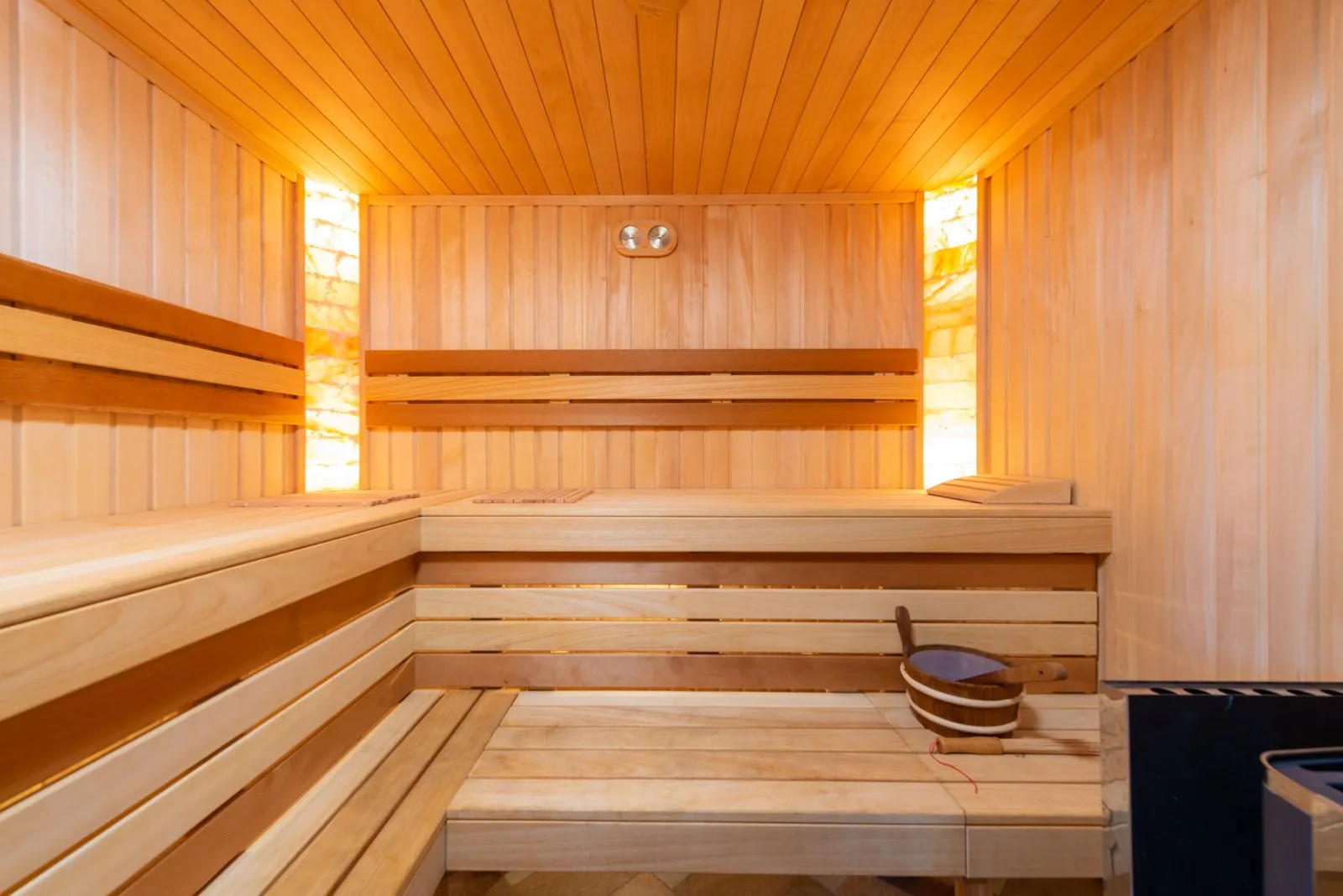
The Finnish sauna is the original, and still the benchmark against which every other kind of heat bath is measured. Finland has an estimated three million saunas for a population of about five and a half million — it is less a luxury there than a room in the house. Understanding what actually defines a Finnish sauna makes every later decision, from choosing a heater to loading stones, far easier.
The short answer
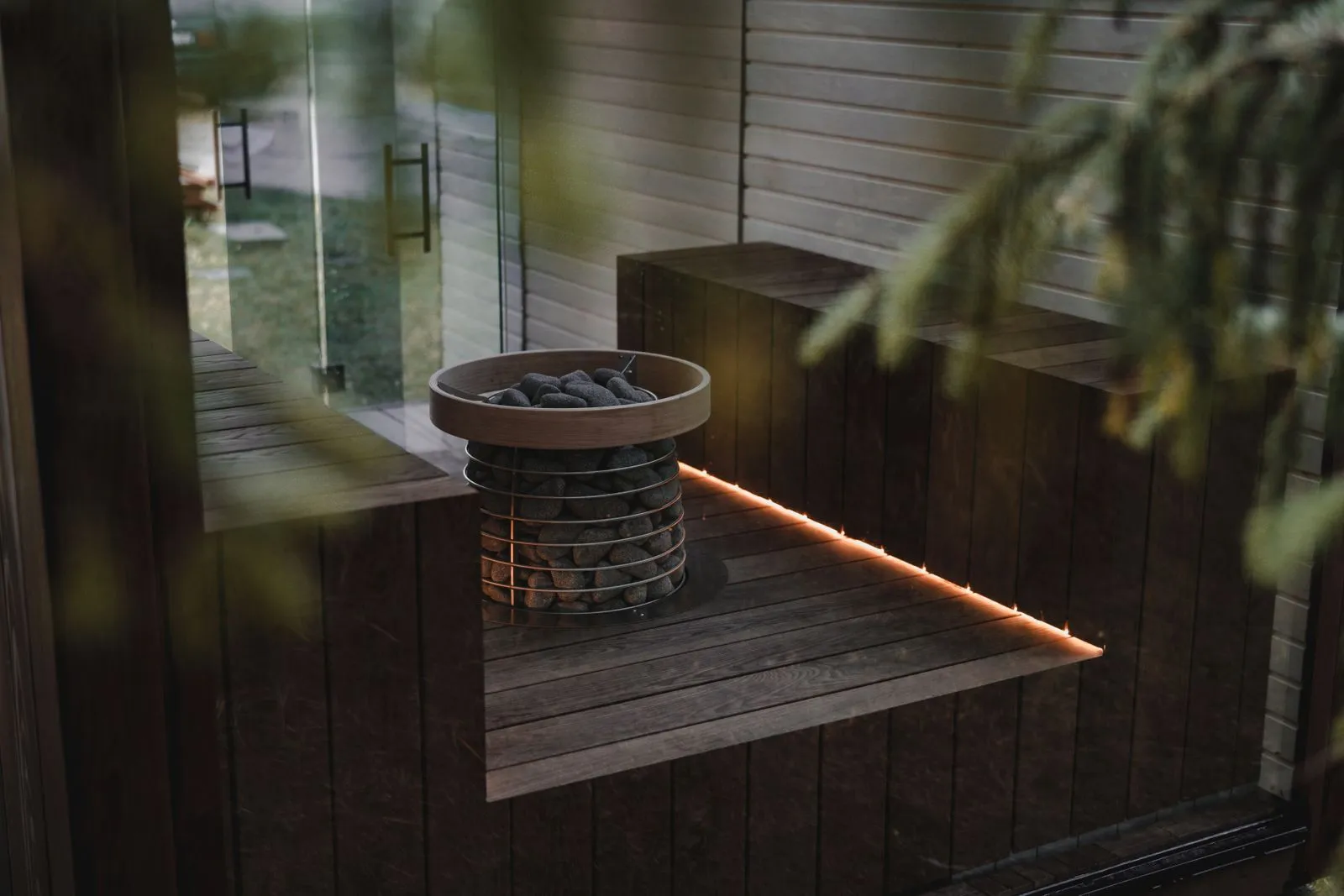
A Finnish sauna is a wood-lined room heated by a stove (the kiuas) topped with stones, run at roughly 70–100°C with low ambient humidity. Ladling water on the stones creates löyly — a wave of steam and soft heat that is the heart of the experience.
The three things that define it
Strip away the marketing and a Finnish sauna comes down to three elements working together: a hot stove, a mass of stones, and the water you throw on them.
- Dry heat, on demand. The air sits between 70 and 100°C but stays dry — often 10–20% relative humidity — until you choose to add water.
- A stone mass that stores heat. The stones on top of the heater hold enormous thermal energy. That reservoir is what lets water flash instantly to steam.
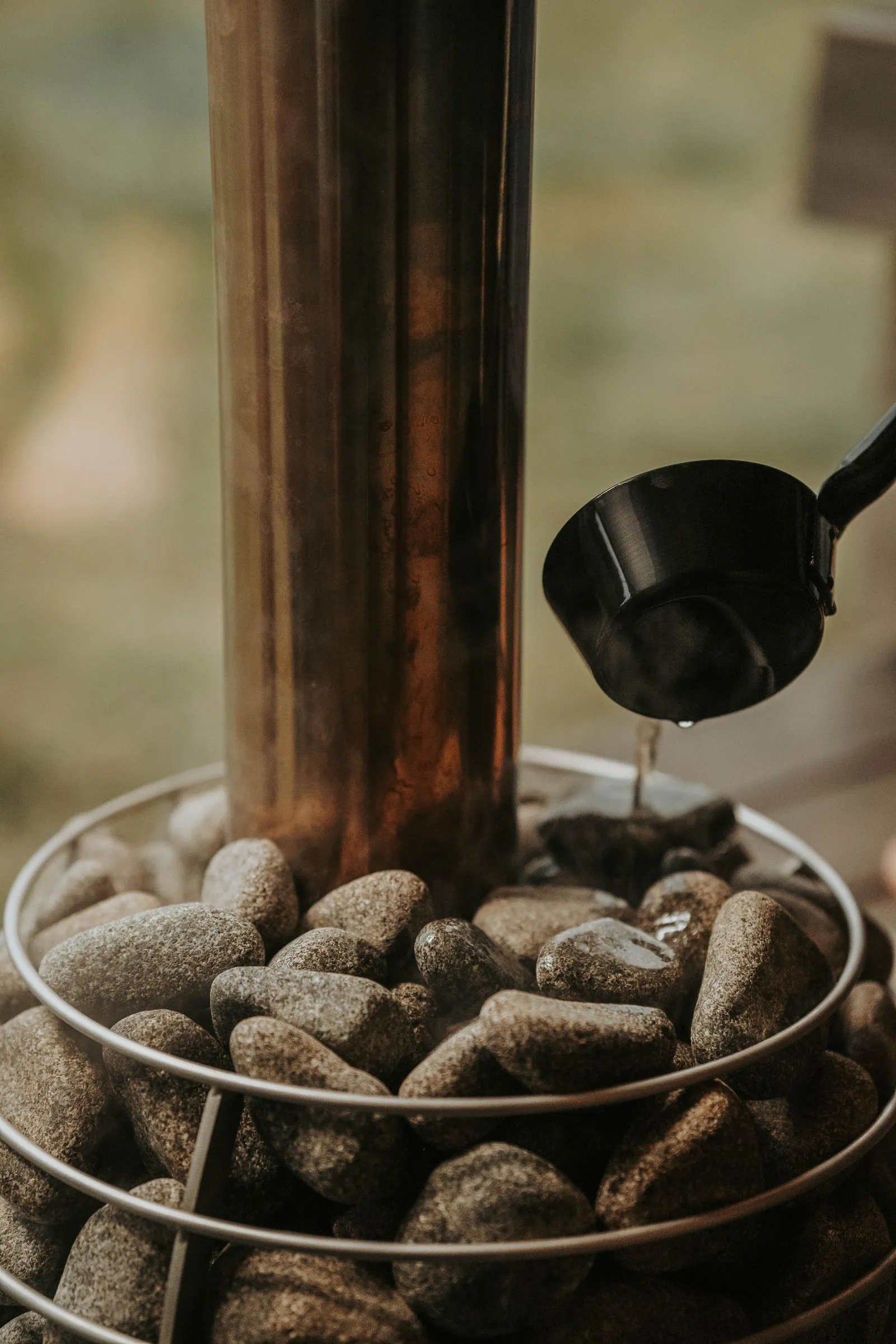
- Löyly. The Finnish word has no clean English translation. It is both the steam and the sensation — a brief, enveloping wave that raises the perceived temperature without scalding.
| Bath type | Air temperature | Humidity | Heat source |
|---|---|---|---|
| Finnish sauna | 70–100°C | Low, spikes with löyly | Stove + stones |
| Steam room | 40–50°C | ~100% | Steam generator |
| Infrared cabin | 45–60°C | Ambient | Radiant panels |
How a Finnish sauna actually works
The stove heats the room, but the stones do the real work. As the kiuas runs, it drives heat into the stones stacked on top of it. Give it enough time — 30 to 60 minutes depending on the heater — and those stones become a battery of stored heat.
When you ladle water over them, it hits a surface far above boiling and vaporises instantly. That is löyly. The humidity in the room jumps for a few seconds, your skin reads the moist air as much hotter, and then it fades. Do it again and you ride another wave. A good sauna lets you build heat gradually and repeatably; a poor one either can’t make steam or turns harsh and dry.
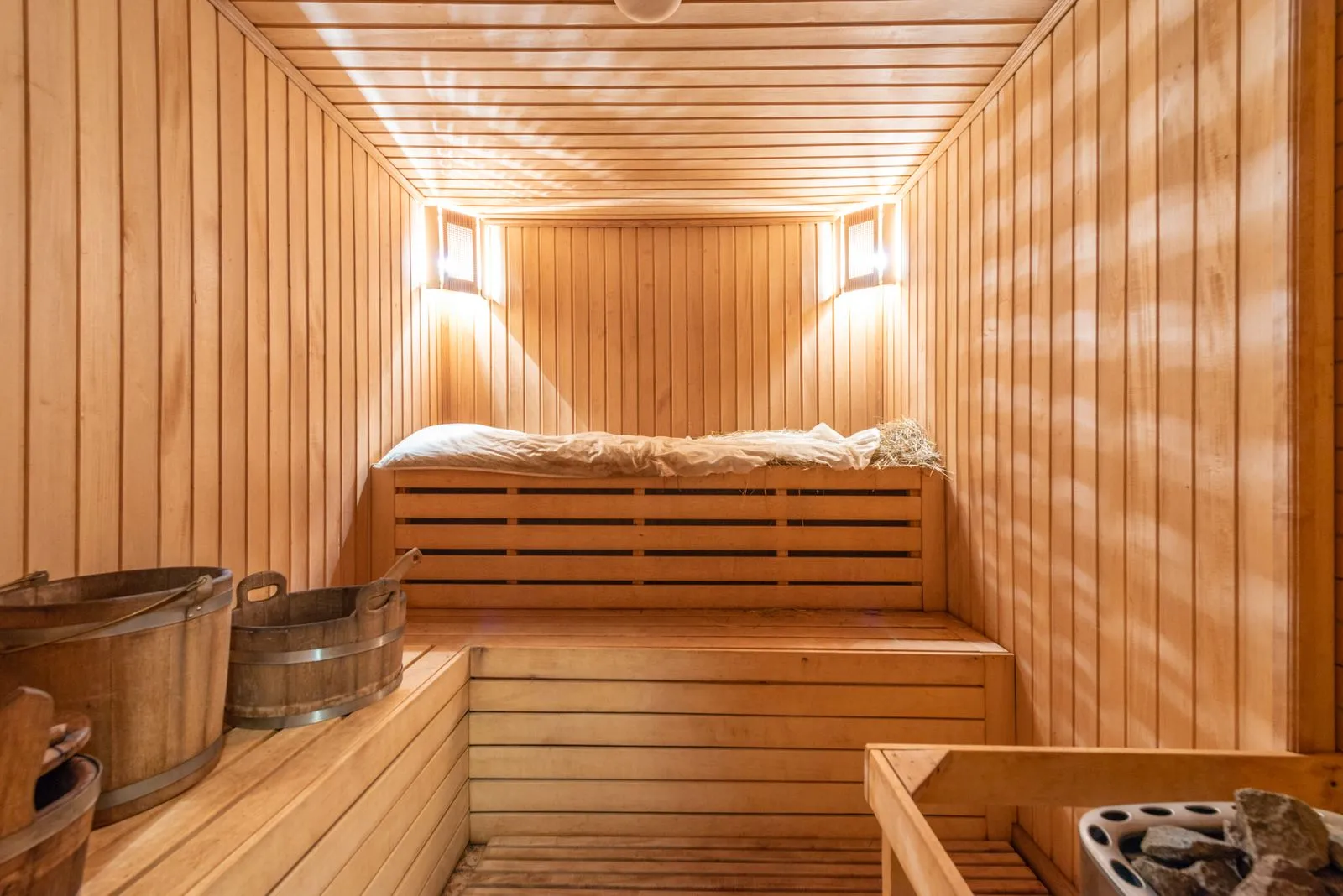
Ventilation is the quiet third partner. Fresh air has to enter low, near the heater, and stale air has to leave — usually through an adjustable exhaust vent on the far wall. Without that circulation the room feels stuffy and the heat stratifies badly. We cover this in depth in our sauna ventilation guide.
Finnish vs. the alternatives
Pros
- Adjustable heat you control with water
- The authentic löyly experience
- Fast, deep sweat and a strong contrast with cold
- Simple, durable technology that lasts decades
Cons
- Higher air temperature isn't for everyone
- Needs proper ventilation and a heat-up period
- A real stove and stones cost more than an infrared panel
If you want radiant warmth at low temperatures and no steam, an infrared cabin is a different tool. If you want the ritual of throwing water and riding löyly, only a true Finnish sauna — electric or wood-fired — will do.
How to use a Finnish sauna well
- Let it heat fully. Cold stones can’t make good löyly. Wait until the heater has run its full warm-up before the first water.
- Start low, build up. Sit on a lower bench first; heat rises, so the top bench is significantly hotter.
- Add water in small doses. A single ladle at a time. You can always add more; you can’t take steam back.
- Cycle. Do 8–15 minutes, then cool off — a cold shower, a lake, or just fresh air — rehydrate, and go again.
- Finish cool and rest. The after-glow of a sauna is part of the point. Don’t rush back into a hot shower.
Building or buying one
For an indoor room, an electric heater sized to the space is the simplest path and the norm in apartments and basements. For a backyard or a cottage, a wood-burning stove delivers the most traditional experience and works off-grid — a real advantage in much of Canada. Whichever you choose, the stones matter as much as the stove: dense, heat-stable rock like olivine diabase is worth seeking out, as we explain in our guide to the best sauna stones.
A Finnish sauna is not complicated technology. It is a well-insulated wooden room, a capable heater, a generous pile of the right stones, honest ventilation, and the water you choose to add. Get those right and everything else — the calm, the sweat, the deep contrast of hot and cold — follows naturally.
Frequently asked questions
What temperature is a Finnish sauna?
A traditional Finnish sauna runs between roughly 70°C and 100°C (158–212°F) at the bather's head height, with the sweet spot for most people around 80–90°C. Humidity is low until you throw water on the stones.
What is löyly?
Löyly is the burst of steam and the wave of soft heat created when you ladle water onto the hot stones of the heater. It briefly raises humidity, makes the room feel hotter, and is the defining sensation of a Finnish sauna.
Is a Finnish sauna wet or dry?
Both, in cycles. The air is dry between löyly, then briefly humid each time water hits the stones. This is different from a steam room, which stays at near-100% humidity and a much lower temperature.
How long should you stay in a Finnish sauna?
Most bathers do 8–15 minute rounds, then cool down and rehydrate, repeating two or three times. Listen to your body and leave if you feel dizzy or unwell.
How is a Finnish sauna different from an infrared sauna?
A Finnish sauna heats the air and stones so you can create steam; an infrared sauna uses radiant panels to warm your body directly at a much lower air temperature and cannot produce löyly.