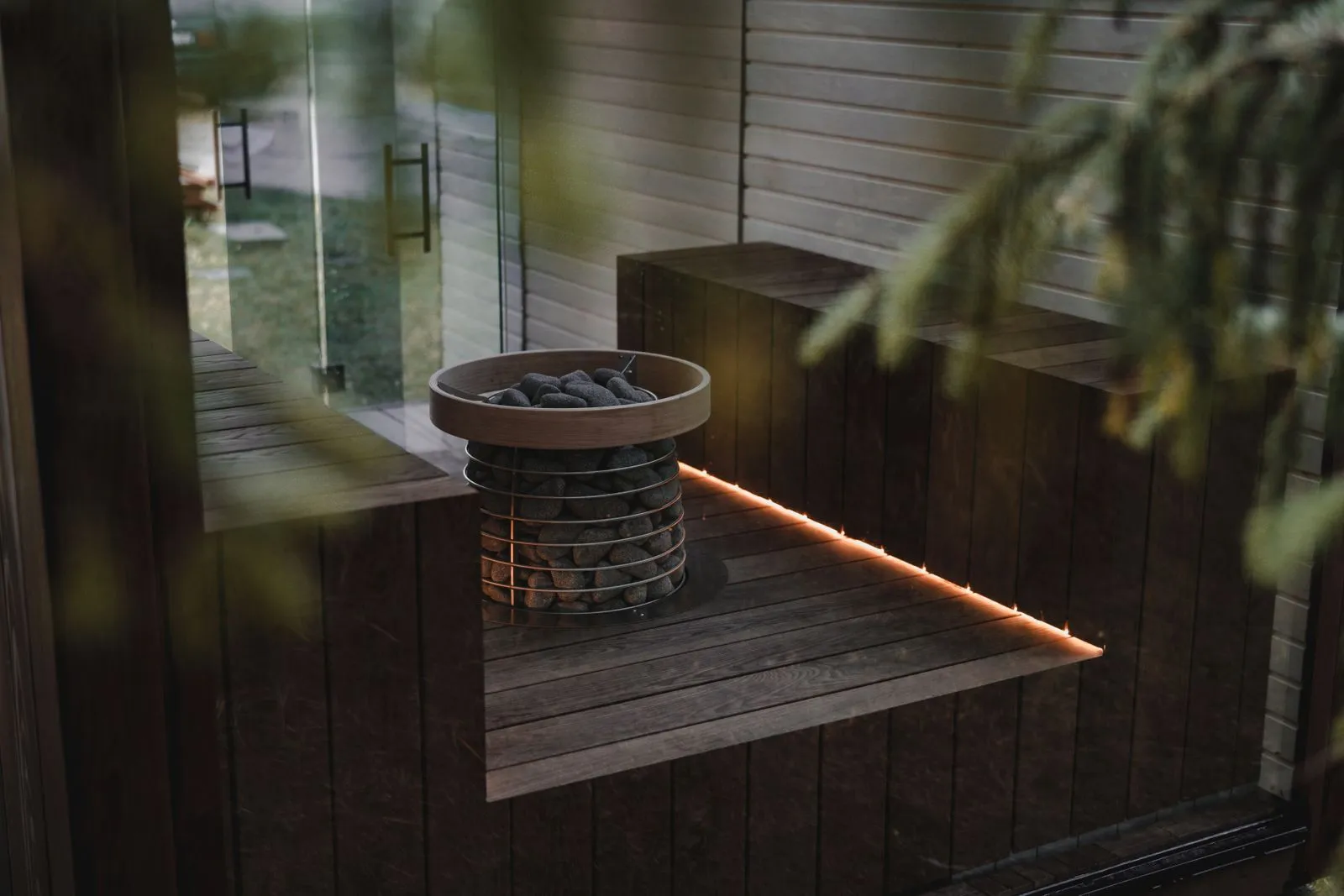
Electric vs. Wood-Burning Sauna Heaters: Which to Choose
Electric heaters are convenient and clean; wood-burning stoves are traditional and off-grid. Compare heat, cost, effort and safety to choose the right one.
It’s the first real fork in the road when planning a sauna: an electric heater or a wood-burning stove. Both make authentic löyly, both have devoted fans, and the “right” answer depends almost entirely on your site and what you want from the experience. Here’s a clear, side-by-side comparison.
The short answer
Electric sauna heaters are convenient, clean and fast — ideal where you have power and want push-button use. Wood-burning stoves deliver deep, traditional heat and work off-grid, at the cost of a chimney, fuel and tending. Both make real löyly; choose based on power access, location and how much you value the fire.
The head-to-head
| Factor | Electric | Wood-burning |
|---|---|---|
| Convenience | Push-button, timer, thermostat | Build and tend a fire |
| Heat-up time | ~30–45 min | ~45–60 min |
| Atmosphere | Clean, quiet, modern | Crackle, birch smoke, tradition |
| Power needed | Dedicated 240 V circuit | None — off-grid capable |
| Infrastructure | Wiring by an electrician | Chimney, clearances, fuel storage |
| Running cost | Your electricity rate | Firewood + your effort |
| Best setting | Indoor, urban, basement | Outdoor, cottage, off-grid |
| Ongoing effort | Minimal | Fuel + chimney sweeping |
Where electric wins
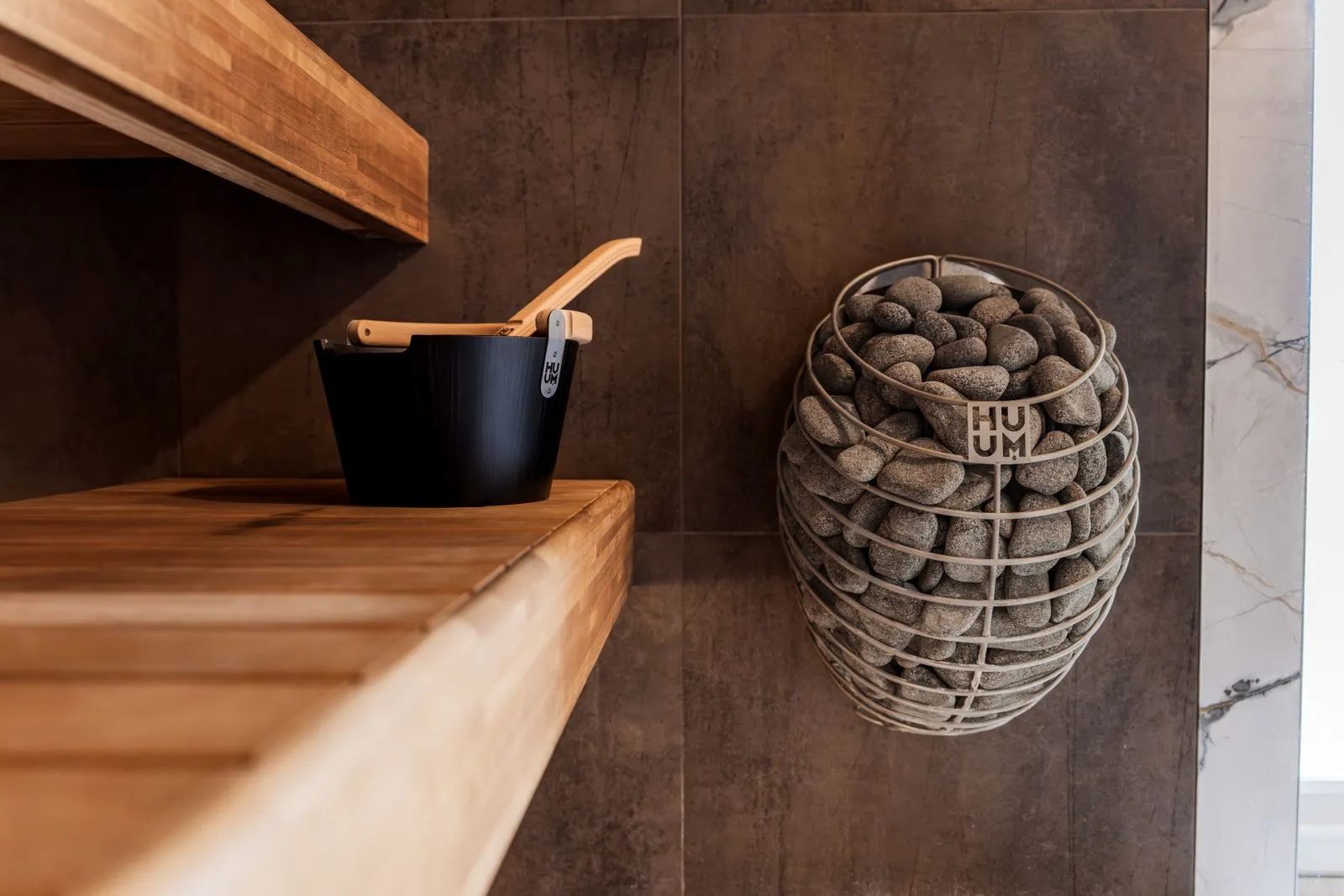
Electric is the pragmatic default for most indoor and urban builds. You set a temperature (or a timer, or an app), walk away, and come back to a ready sauna. There’s no fuel to store, no fire to tend, no smoke, and no chimney to install or sweep. In an apartment, a basement, or any build where a chimney is impractical, electric isn’t just easier — it’s often the only realistic choice. The trade-off is that it needs a proper dedicated circuit and safe installation, and you’re tied to grid power.
Where wood wins
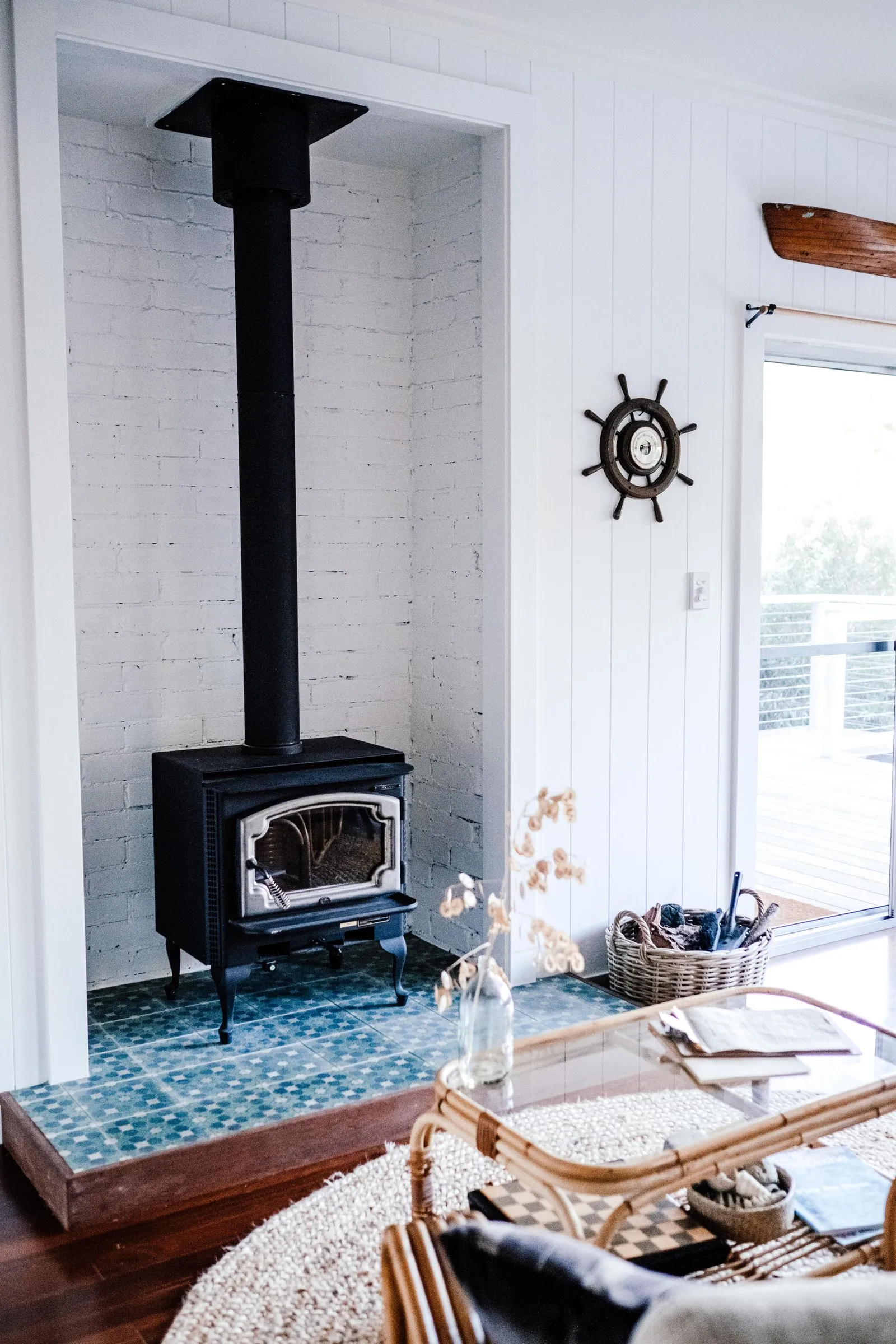
For a backyard, a cottage, or an off-grid cabin, wood is hard to beat. It delivers a heat many bathers find deeper and softer, it comes with the irreplaceable ritual of the fire, and it needs no electrical supply at all — a decisive advantage at a remote property. The costs are effort and infrastructure: a code-compliant chimney, clearances, and a steady supply of dry hardwood you’ve sourced, split and stored.
Cost, honestly
There’s no universal cheaper option. Electric running cost is simply your local electricity rate for the kilowatt-hours used. Wood can be cheaper where firewood is abundant — free, even, if you have your own — but “cheap” firewood still costs labour to cut, split, dry and carry. Upfront, a basic wood stove and an electric heater are broadly comparable, but the wood installation adds the chimney, while electric adds the electrician and possibly a service upgrade. Weigh total cost, not just the sticker.
Both make real löyly
One myth worth dispelling: wood does not make “better steam” by virtue of being wood. Both heaters work by heating a mass of stones, and the löyly comes from water hitting hot stone — identical physics. A well-sized electric heater with generous stone capacity produces steam every bit as good as a stove. The difference between them is the experience around the heat, not the steam itself.
The verdict
Choose electric if you want convenience, have power, and are building indoors or in the city. Choose wood if you want tradition, atmosphere and off-grid freedom, and you’re happy to tend a fire and maintain a chimney. If you’re still torn, the deciding questions are simple: Do I have easy power? Will I use it on impulse or as an occasion? Answer those honestly and the heater chooses itself. Still deciding on the whole category of sauna? Our infrared vs. traditional comparison covers the other major fork.
Frequently asked questions
Is an electric or wood-burning sauna heater better?
Neither is universally better. Electric heaters win on convenience, cleanliness and urban suitability; wood-burning stoves win on traditional atmosphere, deep heat and off-grid independence. The right choice depends on your site, power access and how much you value the ritual of a fire.
Which heats up faster, electric or wood?
Electric is usually faster and more predictable — around 30–45 minutes at the push of a button — while wood typically takes 45–60 minutes and needs tending. Electric also holds a set temperature automatically.
Is a wood-burning sauna cheaper to run than electric?
It depends on local energy and firewood prices. Wood can be cheaper where firewood is plentiful, especially off-grid, but it costs effort — sourcing, splitting, drying and tending. Electric costs are simply your electricity rate.
Can you have a wood-burning sauna indoors?
Yes, with a properly installed, code-compliant chimney and correct clearances, but it's more involved than electric and often impractical in apartments. Wood stoves are most common in outdoor and cottage saunas.
Do electric and wood heaters both make löyly?
Yes. Both heat a mass of stones that produce steam when you add water, so both deliver genuine löyly. The difference is the heat source and the experience around it, not the steam itself.
Which is safer, electric or wood-burning?
Both are safe when installed correctly, but the risks differ: electric needs proper wiring and clearances, while wood adds fire, a chimney and creosote management. Follow the manufacturer's instructions and local code for either.