Indoor vs. Outdoor Sauna: Which to Choose
An indoor sauna is convenient and year-round; an outdoor sauna opens up wood-firing and the cold-plunge ritual. Here is how to choose between them.
The short answer
An indoor sauna is convenient, private and usable without stepping outside — almost always electric. An outdoor sauna opens up wood-firing, a snow-and-cold-plunge ritual and a backyard retreat, at the cost of foundations and weatherproofing.
One of the first choices in owning a sauna is where it lives. Both indoor and outdoor saunas are excellent; they suit different homes and tastes.
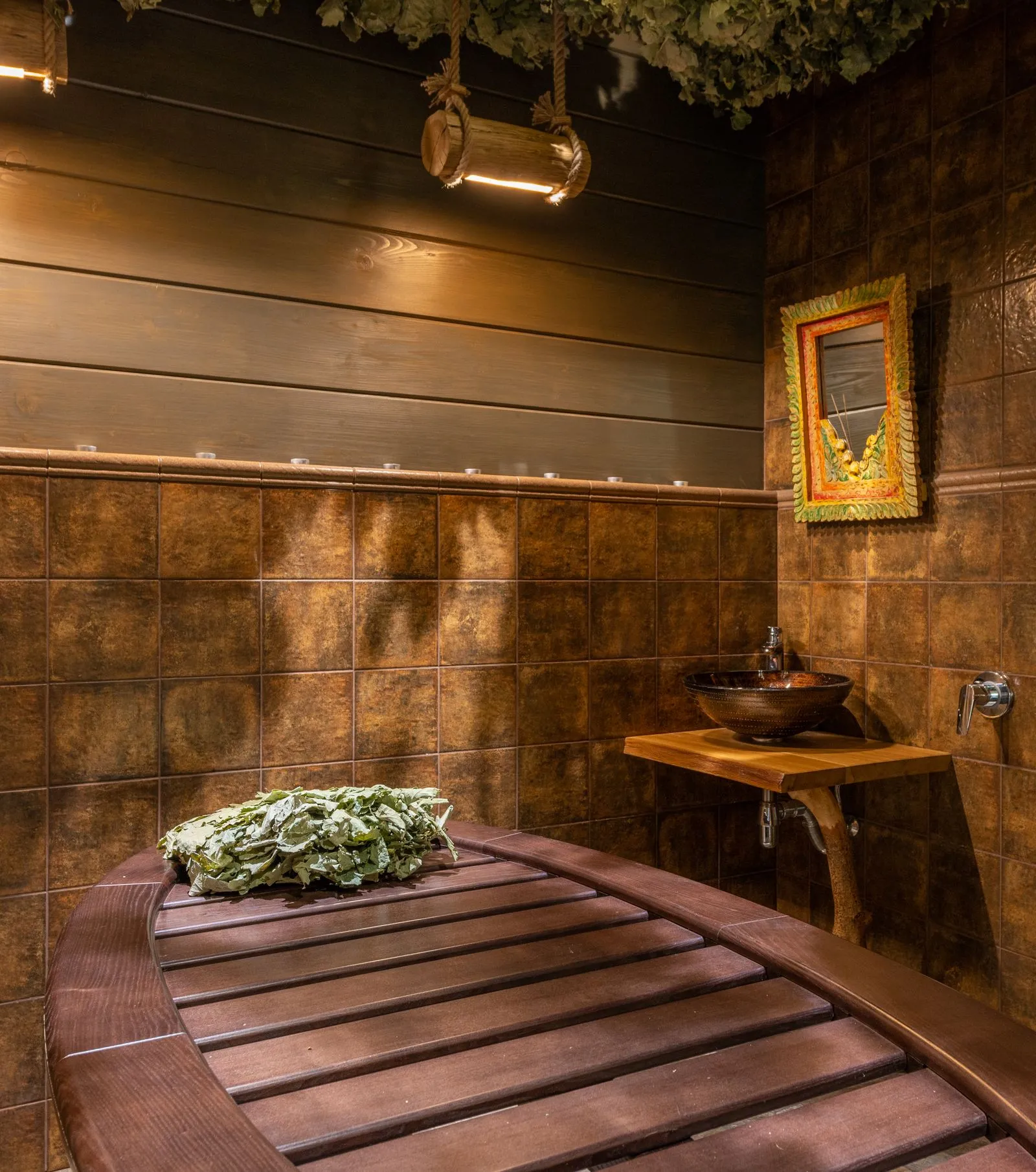
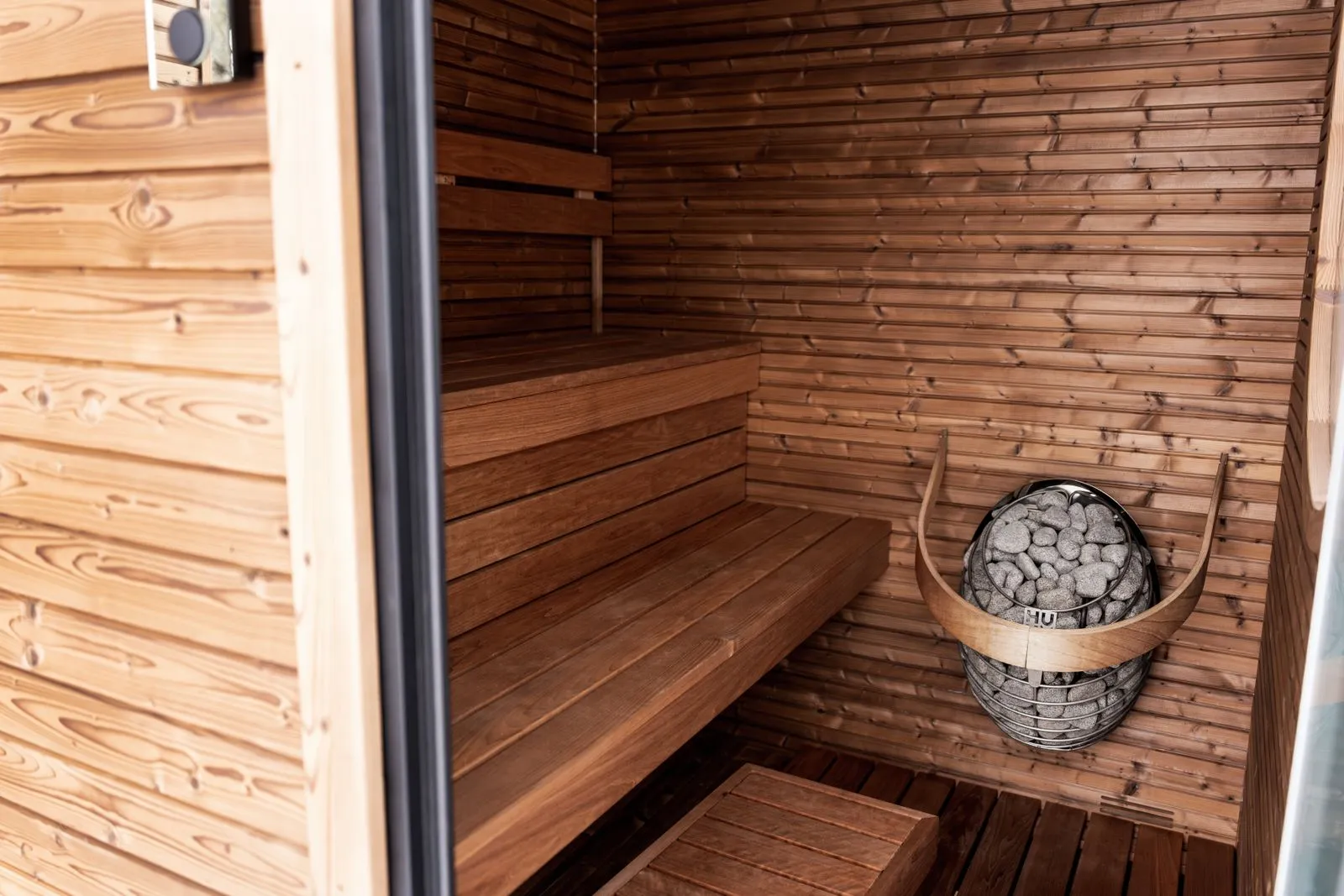
Indoor saunas
Built into a spare room, basement or converted bathroom, and usually electric.
Indoor sauna
- Convenient — no going outside
- Private and year-round
- Simple electric install
- No foundation or weatherproofing
Trade-offs
- Takes indoor space
- Needs careful moisture control
- Usually electric only
- No snow-plunge atmosphere
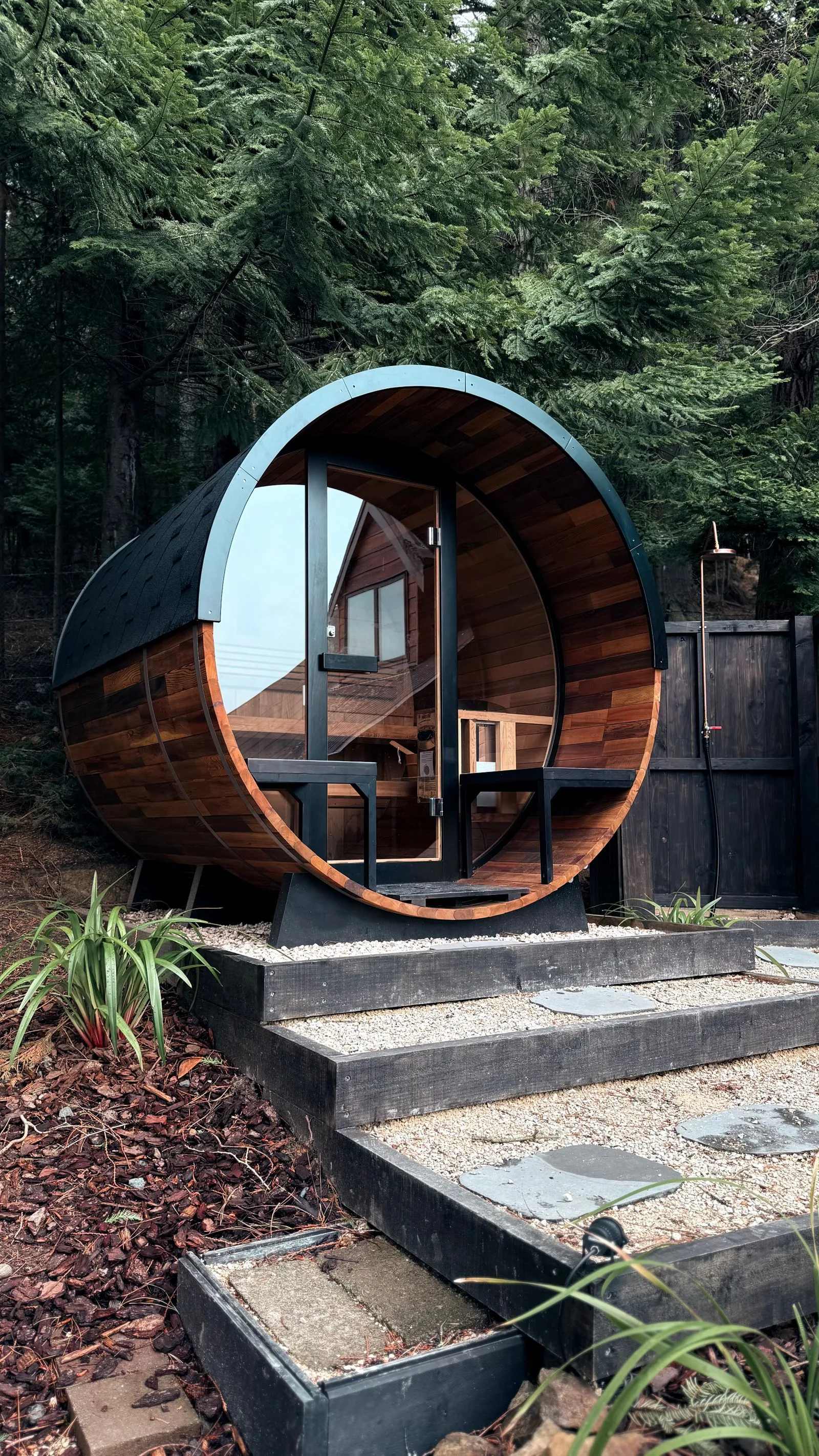
Outdoor saunas
A freestanding barrel or cabin in the yard or at a cottage.
Outdoor sauna
- Wood-firing and off-grid options
- The full cold-plunge-in-the-snow ritual
- A backyard destination
- Frees up indoor space
Trade-offs
- Needs a foundation and weatherproofing
- May need permits
- A cold walk in winter
- More to maintain outdoors
How to choose
| You value | Choose |
|---|---|
| Convenience and privacy | Indoor |
| Wood-firing / off-grid | Outdoor |
| The snow-plunge ritual | Outdoor |
| Minimal build and space | Indoor |
Either way
The fundamentals — a correctly sized heater, real ventilation, good wood — are the same indoors or out. Decide where it fits your life, then follow our how to buy a sauna checklist.
Letting your climate and habits decide
The deciding factor for many people is simply which they will actually use. An indoor sauna is convenient and private, steps from your living space, and easy to slip into on a weeknight — which, in practice, means it often gets used more. An outdoor sauna offers wood-firing, a backyard destination, and the incomparable ritual of stepping from the heat into snow, but only if the walk is short and safe enough that you make it on a cold night.
Climate matters too. In much of Canada, an outdoor sauna beside a cold plunge is magical in winter, and winter is when it earns its keep — so prioritise insulation, a tight door seal, and a well-lit path if you go that way. If convenience is what gets you through the door, an indoor sauna may serve you better year-round.
Whichever you choose, the fundamentals are identical: a correctly sized heater, real ventilation, good wood, and a proper vapour barrier. Decide where a sauna fits your life first, then build it well.
Frequently asked questions
Is an indoor or outdoor sauna better?
Neither is universally better. Indoor saunas are convenient, private and year-round without going outside; outdoor saunas open up wood-firing and the snow-and-cold-plunge ritual but need foundations and weatherproofing.
Can an indoor sauna be wood-burning?
It is usually impractical — a wood stove needs a chimney and clearances hard to achieve indoors. Indoor saunas are almost always electric; wood-firing is an outdoor advantage.
Do outdoor saunas work in winter?
Yes — winter is when they shine, especially beside a cold plunge or snow. Good insulation and a tight door seal let them heat quickly and hold temperature on cold nights.
Which needs less work to install, indoor or outdoor?
Indoor, generally — no foundation or weatherproofing, and often a simpler electric install. Outdoor saunas need a level, drained foundation and may require permits.
How do I decide between an indoor and outdoor sauna?
Consider convenience versus ritual and your climate. If ease of use gets you in the door, indoor may win; if you want wood-firing and the snow-plunge experience, choose outdoor. The best sauna is the one you actually use.
Should I get an indoor or outdoor sauna?
Choose based on convenience versus ritual and your climate. Indoor is private and easy to use year-round; outdoor offers wood-firing and the snow-plunge experience but needs foundations and a short, safe path. The best sauna is the one you actually use.
Which gets used more, an indoor or outdoor sauna?
Often the indoor one, simply because it is convenient and steps from your living space. An outdoor sauna gets used most when the walk is short and safe enough that you make it even on a cold night.
Is an outdoor sauna good in a Canadian winter?
Yes — winter is when it shines, especially beside a cold plunge or snow. Prioritise insulation, a tight door seal and a well-lit path so a cold evening becomes the ideal time to use it.
Do indoor and outdoor saunas differ in the fundamentals?
No — both need a correctly sized heater, real ventilation, good wood and a proper vapour barrier. The difference is location, wood-firing options, and the build details like foundations for outdoor units.