Choosing the Best Sauna for a Home
The best home sauna fits your space, power and people. Here is how to weigh indoor vs outdoor, traditional vs infrared, and size to choose the right one.
The short answer
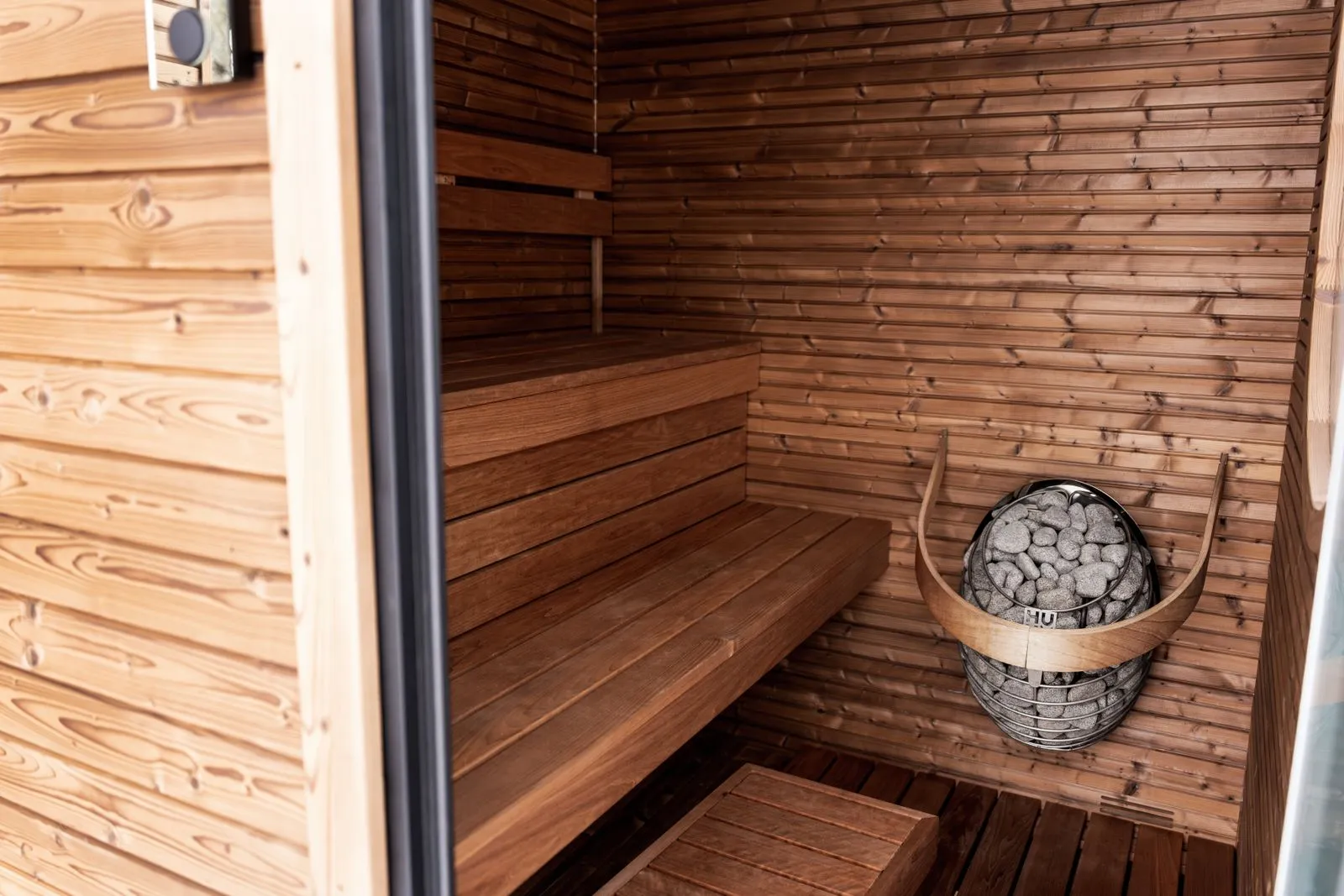
The best home sauna is the one that fits your space, power and household — usually an electric traditional sauna sized for your typical number of bathers, indoors if convenience matters, outdoors if you want wood-firing and the cold-plunge ritual.
There is no single “best” home sauna — the right one depends on your space, power, budget and how you will use it. Here is how to narrow it down.
Work through the decisions
- Indoor or outdoor? Convenience and privacy (indoor) versus wood-firing and the snow-plunge ritual (outdoor).
- Traditional or infrared? Löyly and high heat (traditional) versus gentle radiant warmth (infrared).
- Size. Match to your typical number of bathers, not the occasional crowd.
- Heater. Electric for most; wood for off-grid — sized to the room.
The common best pick
Do not skimp on the fundamentals
Kit or custom
A prefab kit is the easiest, most predictable route for a first home sauna; a custom build gives a perfect fit but demands more know-how — see DIY kit vs. custom. Either way, budget the whole project including installation.
The best home sauna is simply the right type and size for your life, built on solid fundamentals. Work through the decisions above, avoid the common mistakes, and you will land on the sauna that suits you.
Building on solid fundamentals
Whatever type and size you settle on, the fundamentals are what actually determine whether the sauna is good and safe — not the badge on the box. A correctly sized heater, real ventilation, a proper foil vapour barrier, and quality wood matter more than any feature or finish. A budget sauna with these done right outperforms a premium one with them skimped.
For a first home sauna, a prefab kit is usually the smart choice. It arrives correctly sized with a matched heater, clear instructions, and the ventilation and clearances already worked out — removing exactly the details beginners get wrong. A custom build gives a perfect fit but demands you handle the vapour barrier, ventilation and heater sizing yourself.
Either way, budget the whole project, not just the box: the sauna, the heater and stones, installation (a licensed electrician for an electric heater, a chimney for wood, a foundation outdoors), and any permits. Work through the type and size decisions, build on solid fundamentals, and avoid the common mistakes, and you will land on the sauna that genuinely suits your home.
Frequently asked questions
What is the best sauna for a home?
Usually a well-built electric traditional sauna sized for your typical number of bathers, placed where you will use it. Indoor suits convenience; outdoor suits wood-firing and the cold-plunge ritual.
Is a traditional or infrared sauna better for home?
Traditional gives high heat and löyly and a strong cold-plunge contrast; infrared gives gentle, low-temperature warmth and low running cost. Choose traditional if you want löyly, infrared for mild, quick warmth.
Should a first-time buyer get a sauna kit?
Usually yes. A prefab kit arrives correctly sized with a matched heater and the tricky layering worked out, removing exactly what beginners get wrong. Custom builds suit those with more experience.
What size home sauna should I buy?
Size it for how many people typically use it — one to four for most homes — not the occasional crowd. A bigger room needs a bigger, costlier heater and more energy every session.
What matters most when buying a home sauna?
The fundamentals: a correctly sized heater, real ventilation, a proper vapour barrier and good wood. These decide how good and safe the sauna is, more than the brand or extras.
What matters most when choosing a home sauna?
The fundamentals: a correctly sized heater, real ventilation, a proper vapour barrier and quality wood. These decide how good and safe the sauna is, more than the brand or extras. A budget sauna with these done right beats a premium one without.
Is a prefab kit best for a first home sauna?
Usually yes. A kit arrives correctly sized with a matched heater and the ventilation and clearances worked out, removing what beginners get wrong. A custom build gives a perfect fit but requires more know-how.
What should I budget for a home sauna?
The whole project: the sauna, the heater and stones, installation (a licensed electrician, a chimney for wood, a foundation outdoors), and any permits — not just the box. Installation is the part most people underestimate.
Is a traditional or infrared sauna better for home?
Traditional gives high heat and löyly and a strong cold-plunge contrast; infrared gives gentle, low-temperature warmth and low running cost. Choose traditional if you want löyly, infrared for mild, quick warmth.