Infrared vs. Traditional Sauna: What's the Real Difference?
Infrared saunas warm your body with radiant panels at low air temperatures; traditional saunas heat the air and make löyly. Compare the two to choose.

“Sauna” now covers two quite different machines. One heats the air until you sweat and lets you throw water for steam; the other barely warms the air at all and instead shines radiant heat onto your body. Confusing them leads to disappointment, so it’s worth understanding exactly what each does before you buy.
The short answer
A traditional sauna heats the air and stones to 70–100°C and makes löyly when you add water. An infrared sauna uses radiant panels to warm your body directly at a much lower air temperature (~45–60°C) and cannot make steam. They’re different experiences: intense and ritual-rich versus gentle and low-temperature.
How each one heats you
The core difference is what gets heated.
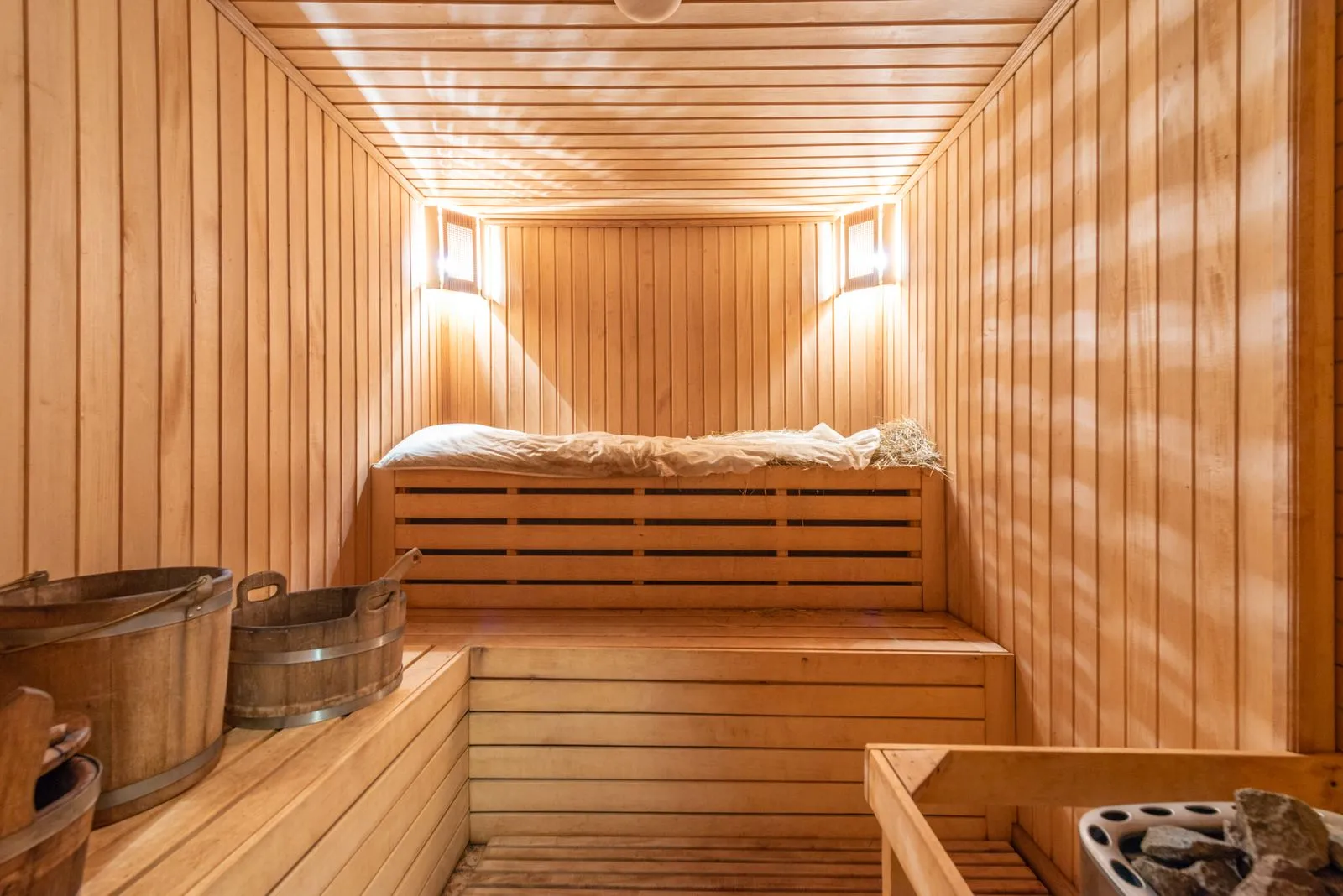
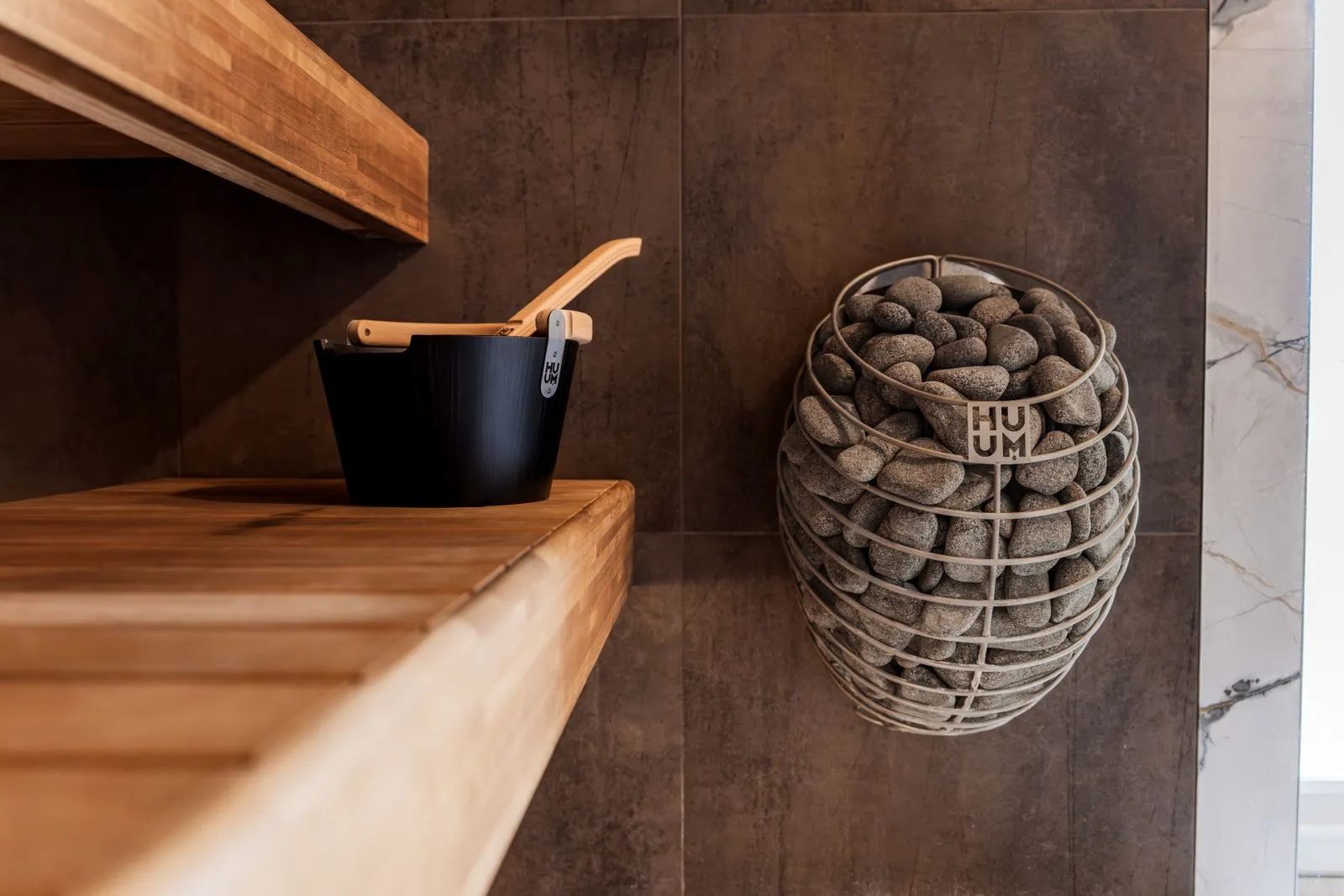
- Traditional: the heater warms the air and a mass of stones. You sit in genuinely hot air, and ladling water on the stones creates a wave of steam. Your body heats from the hot environment around it.
- Infrared: panels emit infrared radiation that your body absorbs directly, warming you much like the sun does on a cool day. The air stays relatively cool; there are no stones and no steam.
| Traditional sauna | Infrared sauna | |
|---|---|---|
| Air temperature | 70–100°C | ~45–60°C |
| Heats | The air, stones and you | Your body directly |
| Löyly / steam | Yes | No |
| Warm-up time | 30–60 min | 10–15 min |
| Energy per session | Higher | Lower |
| Experience | Intense, traditional, ritual | Gentle, mild, modern |
The case for each
Traditional sauna
- Authentic high heat and löyly
- Strong contrast with a cold plunge
- The classic social and cultural ritual
- Electric or wood-burning options
Infrared sauna
- Gentle, low-temperature radiant warmth
- Fast warm-up and low running cost
- Easier for those who dislike intense heat
- No steam, no water, no traditional ritual
Read that table as two different tools. If you want the enveloping heat, the hiss of water on stone, and the deep hot–cold contrast, only a traditional sauna delivers it. If you want a mild, quick, low-energy warm-up — perhaps because high heat is uncomfortable for you — infrared is a legitimate and pleasant option.
Which should you buy?
Other practical considerations:
- Space and power: infrared cabins are often compact plug-in units; traditional saunas need a properly sized heater and, for wood, a chimney.
- Warm-up patience: infrared is ready in minutes; traditional rewards a longer heat-up.
- The contrast ritual: if a cold plunge is part of your plan, traditional’s high heat makes the contrast far more dramatic.
The honest bottom line
Neither is “the real sauna” in a way that makes the other fake — they’re different products that happen to share a name. For authentic Finnish-style bathing, the traditional sauna is the answer, and your next decision is simply electric vs. wood. For gentle, low-temperature radiant heat with minimal setup, infrared is a fair choice. Match the machine to the experience you actually want, and you won’t be disappointed.
Frequently asked questions
What's the difference between an infrared and a traditional sauna?
A traditional sauna heats the air and stones to 70–100°C so you can make steam (löyly); an infrared sauna uses radiant panels to warm your body directly at a much lower air temperature (around 45–60°C) and cannot produce steam.
Is an infrared sauna as good as a traditional one?
It depends what you want. Infrared offers gentler, lower-temperature radiant warmth and low running cost; traditional offers intense heat, löyly, and the classic ritual. They're different experiences, not better-or-worse versions of the same thing.
Which is hotter, infrared or traditional sauna?
Traditional saunas run much hotter in air temperature — 70–100°C versus roughly 45–60°C for infrared. Infrared feels warm because the panels heat your body directly, not because the air is hot.
Can you throw water in an infrared sauna?
No. Infrared saunas have electric panels, not a stone heater, so there's no löyly and you don't add water. Throwing water would risk damaging the panels and electronics.
Is infrared or traditional cheaper to run?
Infrared generally uses less energy per session because it heats to a lower temperature and warms you directly. Traditional saunas use more energy to bring the whole room and stones up to a high temperature.
Which is better for beginners?
Infrared's lower temperature can feel more approachable for people who find high heat uncomfortable. Those who want the authentic sauna experience and the hot–cold contrast will prefer traditional.