Traditional Sauna: What Actually Makes It Traditional
A traditional sauna heats air and stones to make löyly, unlike infrared. Here is what defines a traditional sauna and how it differs from modern alternatives.
The short answer
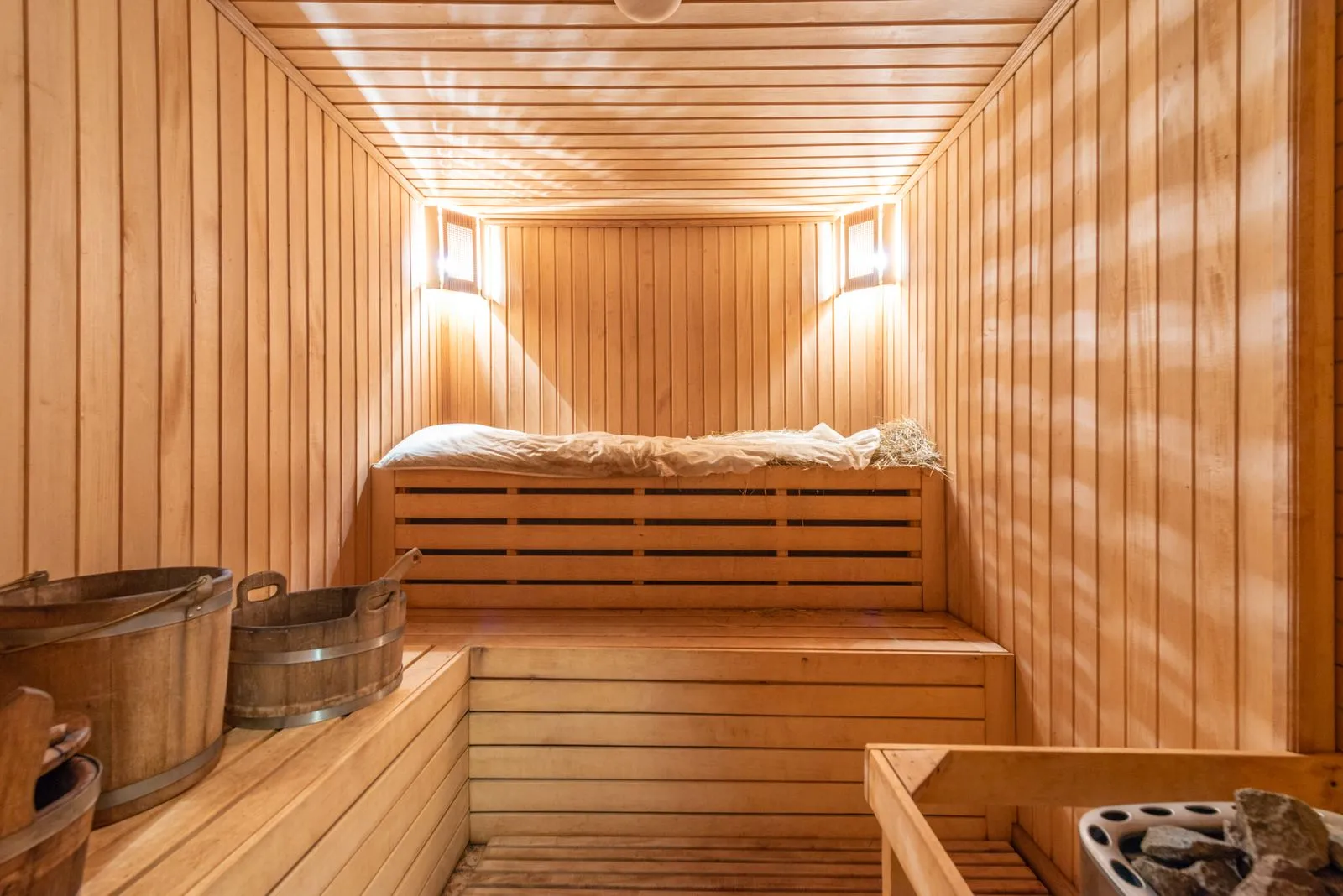
A traditional sauna heats the air and a mass of stones to 70–100°C so that water thrown on the stones makes löyly. This stove-and-stones design — electric or wood-fired — is what separates a traditional sauna from an infrared cabin.
“Traditional sauna” is the term that distinguishes the real thing — high heat and steam — from the infrared cabins that borrowed the name. If a room heats the air and lets you throw water on hot stones, it is traditional, whether the heat comes from wood or electricity.
The defining features
- A stove topped with stones — the kiuas, the heart of every traditional sauna.
- High air temperature — 70–100°C, genuinely hot, unlike infrared’s 45–60°C.
- Löyly on demand — water on the stones makes steam and a wave of heat.
- A wood-lined, insulated room built to hold that heat.
Electric or wood — both are traditional
A traditional sauna can be heated two ways, and both count:
| Electric | Wood-burning | |
|---|---|---|
| Convenience | Push-button | Tend a fire |
| Setting | Indoor, urban | Outdoor, off-grid |
| Löyly | Yes | Yes |
The choice is about your site and taste, not authenticity — we cover it in electric vs. wood-burning.
Traditional vs. infrared
Why tradition endures
The traditional sauna has barely changed in centuries because the formula works: a hot room, a mass of stones, and the water you choose to add. Everything else — the wood, the ventilation, the stones — is in service of that simple, enduring idea.
In practice, “traditional” simply means the room gives you löyly on demand. You sit in dry heat, throw a ladle of water for a wave of steam, let it fade, and repeat — cycling between dry and humid as you like. That control, unavailable in an infrared cabin, is the defining pleasure of the traditional sauna and the reason it has never really been improved upon.
The culture behind the tradition
A traditional sauna is as much a cultural practice as a piece of equipment. In Finland, where the sauna originated, it is woven into daily life — a place to relax, socialise, and reset, used by families across generations. That heritage is why the traditional sauna has endured almost unchanged: the formula of a hot room, a mass of stones, and water for löyly simply works, and it carries centuries of ritual with it.
Understanding the tradition helps you use a sauna well. The unhurried pace — rounds of heat, a cool-down, quiet rest — is part of the point, not a modern add-on. So is the social side: a traditional sauna is often shared, with its own gentle etiquette of towels, calm, and asking before adding more steam. Whether you build an electric sauna in a basement or a wood-fired one at a cottage, you are joining a very old, very human practice. Keeping that spirit — relaxed, respectful, unrushed — is what turns a hot room into the restorative ritual the tradition intends.
Frequently asked questions
What is a traditional sauna?
A room heated by a stove topped with stones to 70–100°C, where water on the stones creates steam (löyly). It can be electric or wood-fired — both are traditional.
Is a traditional sauna wet or dry?
It cycles between the two: dry between löyly, briefly humid each time water hits the stones. This differs from a steam room, which stays at near-100% humidity.
Is an electric sauna still traditional?
Yes. What makes a sauna traditional is the stove-and-stones design and the löyly, not the fuel. Electric and wood-burning saunas are both traditional.
What is the difference between traditional and infrared saunas?
A traditional sauna heats the air and stones to a high temperature and makes steam; an infrared sauna warms your body directly at a low temperature and cannot make steam.
How hot is a traditional sauna?
Usually 70–100°C at head height, with most people preferring 80–90°C. Water on the stones briefly raises the perceived heat further.
Why has the traditional sauna design not changed much?
Because the formula — a hot room, a mass of stones, and water for löyly — simply works and gives the bather full control over the heat and steam. Modern heaters and materials have refined it, but the core design endures unchanged.
Where did the traditional sauna come from?
The sauna originated in Finland, where it has been part of daily life for centuries and remains deeply woven into the culture. The traditional stove-and-stones design has endured almost unchanged because it works so well.
Is a traditional sauna a social activity?
Often, yes — traditional saunas are frequently shared, with a gentle etiquette of sitting on a towel, keeping calm, and asking before adding more löyly. They can equally be a solo, meditative ritual.