Best Saunas for Small Spaces
Small-space saunas include compact prefab cabins, two-person units and infrared cabinets. Here is how to fit a real sauna into a tight home.
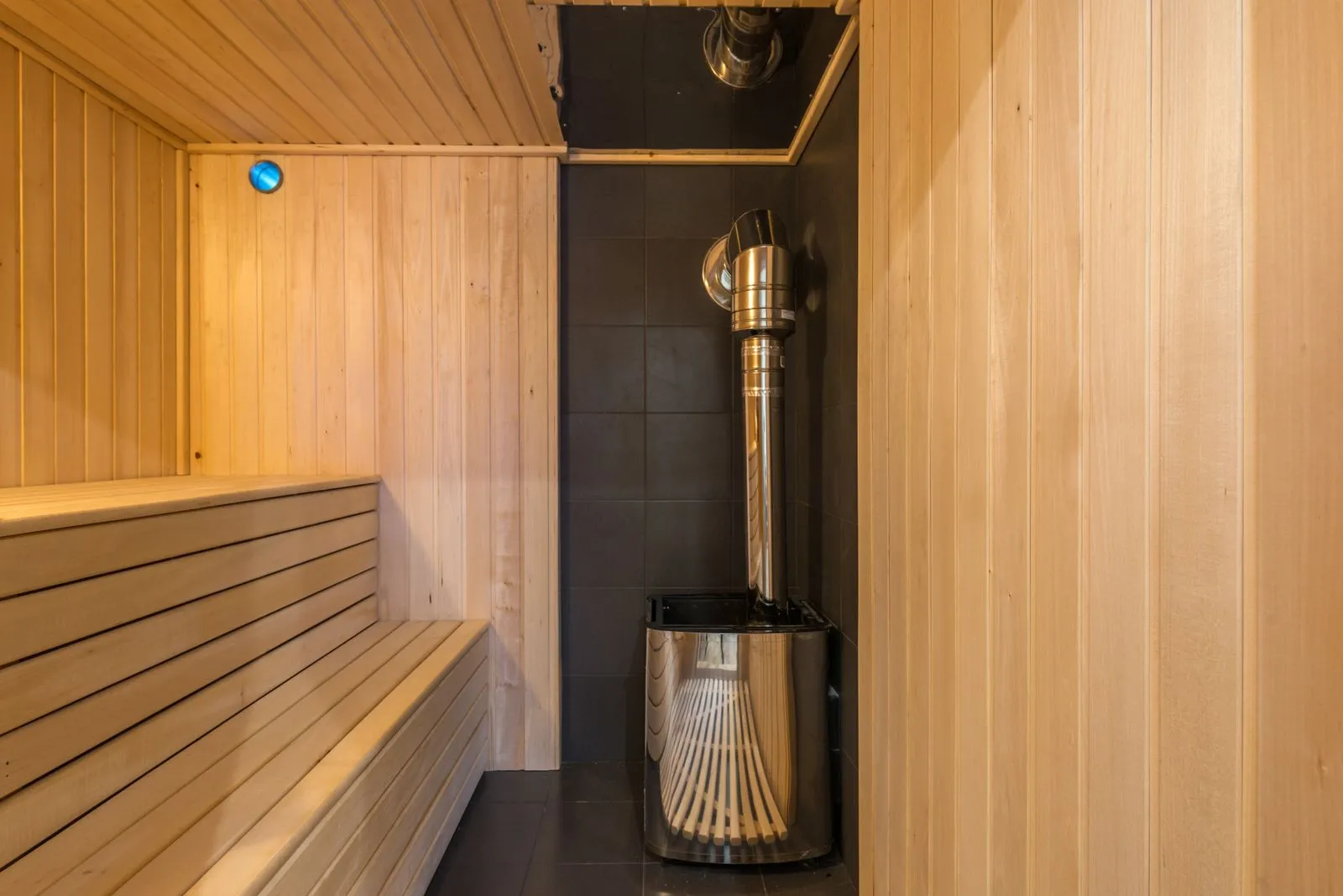
The short answer
For small spaces, the best options are compact prefab cabins, two-person traditional units, and infrared cabinets that fit a closet-sized footprint. A small electric traditional sauna delivers the full löyly experience without needing much room.
You do not need a big house to own a sauna. Compact, efficient options fit into surprisingly small spaces — and a small sauna heats fast and costs little to run.
The compact options
- Two-person prefab cabin. A self-contained traditional sauna in a closet-sized footprint, with a matched heater.
- Corner units. Designed to tuck into a corner and use space efficiently.
- Infrared cabinets. Often compact, plug-in units, though without löyly.
- Basement or bathroom conversions. Use space you already have.
Making a small sauna work
Space-saving tips
| Tip | Benefit |
|---|---|
| Corner placement | Uses awkward space |
| Two-tier benches | Seating without floor area |
| Low ceiling (~2.0 m) | Efficient and compact |
| Glass door | Feels less enclosed |
| Prefab unit | Fits a known footprint |
Do not skip the fundamentals
Even in a small space, the vapour barrier, ventilation and heater sizing still matter — a compact prefab handles these for you, which is why it is the easiest route for a tight home. See our small vs. large sauna comparison for the trade-offs.
A small home, a spare corner, or an underused bathroom is enough for a real sauna. Choose a compact unit, size the heater to the little room, ventilate properly, and enjoy the full heat in a footprint you would not think could hold it.
Small footprint, full experience
A small sauna is not a compromise on the experience — it heats fast, costs little to run, and delivers the same löyly as a larger room, just for fewer people. The compact options are plentiful: two-person prefab cabins in a closet-sized footprint, corner units that use awkward space, infrared cabinets, and basement or bathroom conversions that use space you already have.
The space-saving levers are simple: corner placement to use awkward areas, two-tier benches for seating without extra floor area, a low ceiling around two metres for efficiency, a glass door to feel less enclosed, and a prefab unit sized to a known footprint. Each helps a real sauna fit where you would not think one could go.
Even in a tight space, the fundamentals still matter — a correctly sized heater (small rooms need little power), real ventilation, and a proper vapour barrier. A compact prefab handles these for you, which is why it is the easiest route for a small home. A spare corner or an underused bathroom is enough for a genuine sauna.
Frequently asked questions
Can you fit a sauna in a small space?
Yes. Compact prefab cabins, two-person traditional units, corner units and infrared cabinets fit a closet-sized footprint. Basements and underused bathrooms are also good small-space options.
What is the smallest practical sauna?
Compact two-person units fit in roughly a large-closet footprint. They heat fast, cost little to run, and deliver the same löyly as a larger sauna, just for fewer people.
Is a small sauna worth it?
Yes — a small sauna heats quickly, costs less to run, and gives the full heat and löyly for one or two people. It is an efficient, sensible choice for tight spaces.
How do you save space with a sauna?
Use corner placement, two-tier benches, a low ceiling, a glass door for an open feel, and a prefab unit sized to a known footprint. Size the heater to the small room, which needs little power.
Do small saunas still need ventilation?
Yes. Even a compact sauna needs proper intake and exhaust ventilation and a vapour barrier. A prefab unit handles these fundamentals, which is why it suits a tight home.
Can you fit a sauna in a small space?
Yes — compact prefab cabins, two-person units, corner units and infrared cabinets fit a closet-sized footprint, and basements or underused bathrooms work well. A small sauna heats fast and delivers the same löyly for fewer people.
How do you save space with a sauna?
Use corner placement, two-tier benches, a low ceiling, a glass door for an open feel, and a prefab unit sized to a known footprint. Size the heater to the small room, which needs little power.
Is a small sauna as good as a large one?
For the heat and löyly, yes — a small sauna delivers the same experience for one or two people, heats faster and costs less to run. The only limit is capacity.
Do small saunas still need ventilation and a vapour barrier?
Yes — even a compact sauna needs proper ventilation and a vapour barrier. A prefab unit handles these fundamentals, which is why it suits a tight home.