Choosing and Loading Sauna Stones for Electric Heaters
Electric heaters need dense, low-porosity stones loaded loosely around the elements — never packed. Here is how to choose and load stones for an electric heater.

The short answer
For an electric heater, use dense, low-porosity sauna stones and load them loosely around the elements to the rated capacity — never packed tight. Tightly packed stones choke airflow and can overheat and shorten the life of the elements.
Electric heaters are more sensitive to stone loading than wood stoves, because the stones sit directly among the heating elements. Choose and load them well and the elements last for years; get it wrong and they burn out early.
Choosing the stones
The rock rules are the same as for any sauna: dense, low-porosity igneous stone like olivine diabase or peridotite, in a mix of sizes. Avoid porous or random rock, which cracks. Buy stones sold for saunas.
Loading around the elements
The method:
- Rinse the stones to remove grit.
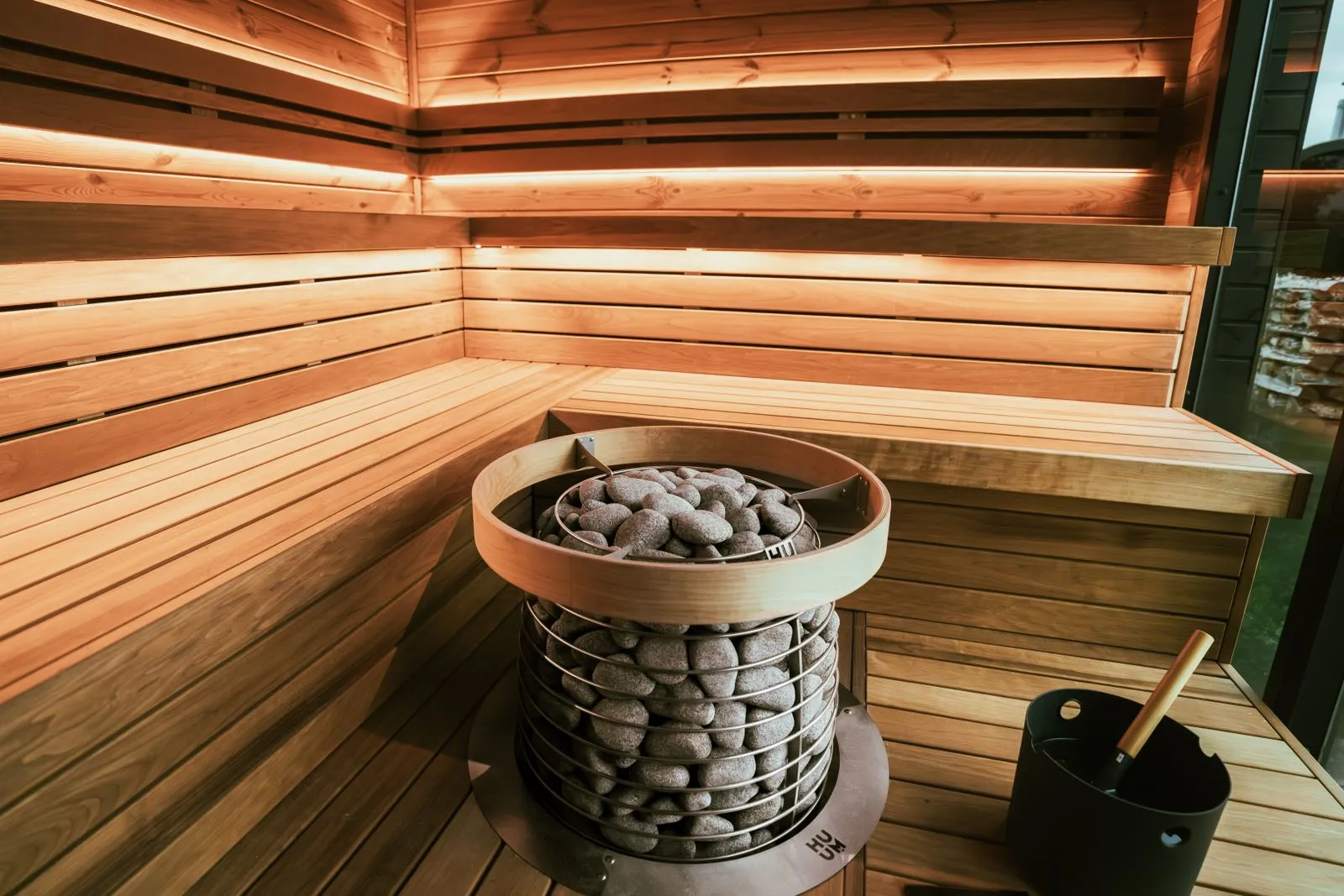
- Place larger stones at the bottom, keeping air channels open.
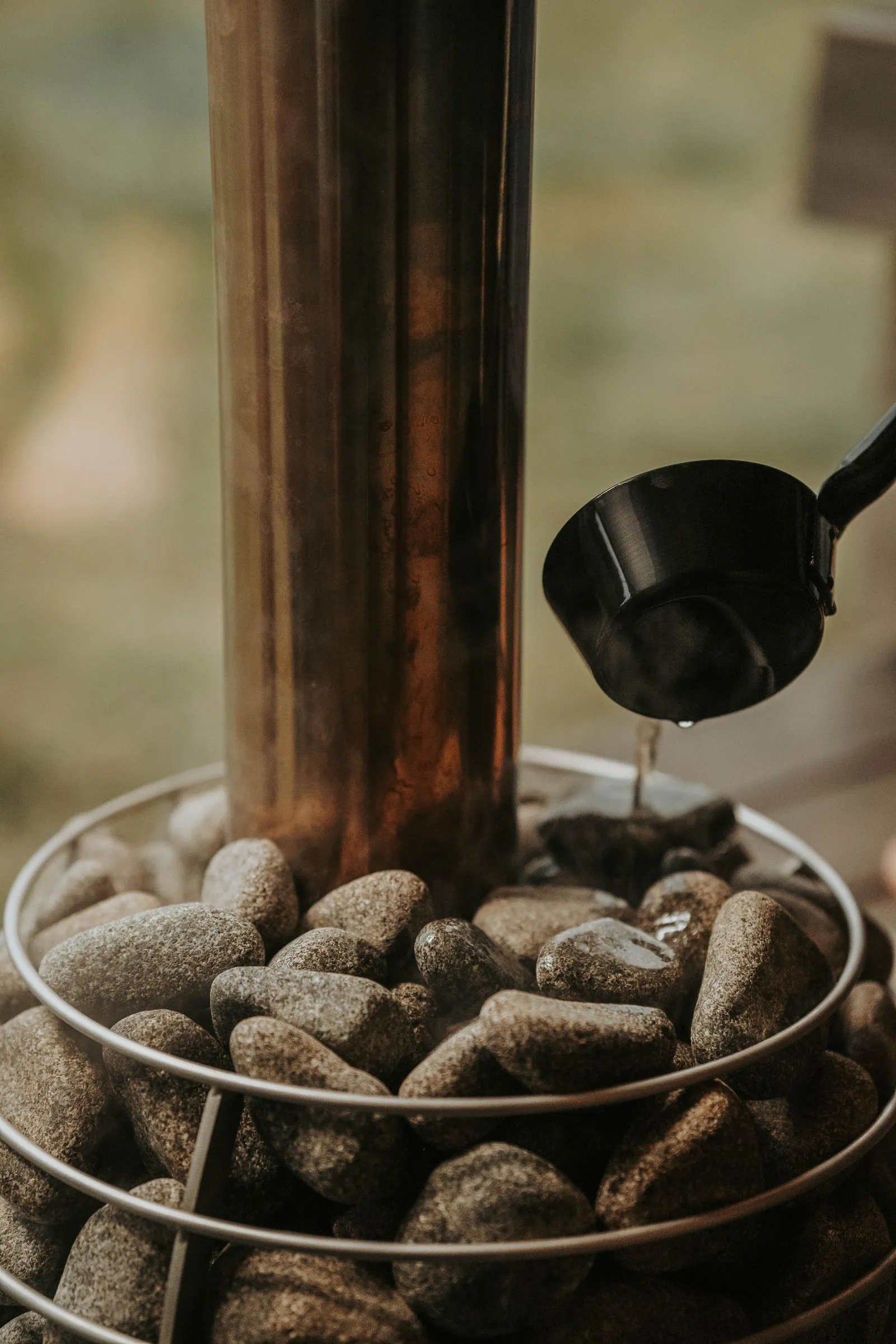
- Nestle stones among the elements so heat transfers, but never so hard they bend or crush an element.
- Grade up to smaller stones on top where water lands.
- Fill to the rated capacity — no more.
Our full stacking guide shows this in detail.
Why it matters so much
Choose dense stones, load them loose, fill to capacity, and refresh them regularly, and your electric heater will make soft löyly for years while its elements stay cool enough to last.
Protecting the elements over the years
Electric heaters live or die by how the stones are managed, because the elements sit right among the rock. The one rule that matters most is to keep the pile loose so air circulates around the elements — never wedge stones tight or overfill past the rated capacity, both of which trap heat and cause elements to overheat and fail early. Nestle stones among the elements so heat transfers, but leave visible air gaps throughout.
Over the years, the stones do the quiet work of protecting the elements, so keep them fresh. Restack once or twice a year, discard crumbled stones, and clear the grit they shed from the element bed, since that grit packs down and chokes airflow. This simple, cheap habit is the single best thing you can do to extend an electric heater life — far cheaper than replacing elements. Choose dense, low-porosity stones, load them loose, fill to capacity, and refresh them on schedule, and the elements stay cool enough to last.
Frequently asked questions
What stones should I use in an electric sauna heater?
Dense, low-porosity igneous stones sold for saunas — olivine diabase or peridotite — in a mix of sizes. Avoid porous or random rock, which can crack.
Can you pack sauna stones tightly on an electric heater?
No. Stones must be loosely stacked so air circulates among the elements. Packing them tight traps heat around the elements and causes premature failure. Leave visible air gaps.
Should stones touch the elements of an electric heater?
They rest among the elements to transfer heat, but should be placed so air still circulates — not jammed against them so hard they crush or overheat. Follow the manufacturer loading instructions.
How often should I restack electric heater stones?
Once or twice a year. Restacking keeps airflow open, lets you remove crumbled stones and clear grit, and protects the elements from overheating — extending their life.
Why do my electric sauna heater elements keep failing?
The most common cause is stones packed too tightly or degraded into grit, which chokes airflow and traps heat around the elements. Keep the pile loose, fresh and to capacity.
Why do electric sauna heater elements matter so much for stone loading?
Because the elements sit right among the stones. Packed or overfilled stones trap heat around the elements and cause them to overheat and fail early. Loose stacking with visible air gaps keeps the elements cool.
How do you protect electric heater elements?
Keep the stones loosely stacked and fresh: restack once or twice a year, discard crumbled stones, and clear grit from the element bed. This cheap habit is the single best way to extend element life.
Can stones sit directly on the elements?
They rest among the elements to transfer heat, but should be placed so air still circulates — never jammed so hard they crush or overheat the elements. Follow the manufacturer loading instructions.