Sauna Maintenance Checklist: Weekly, Monthly, Yearly
A complete sauna maintenance checklist — weekly cleaning, monthly checks, and yearly tasks like restacking stones and inspecting the heater and wood.
A sauna is a simple machine, but it lives in a punishing environment — heat, humidity, sweat and, outdoors, the weather. Left alone it degrades quietly; kept to a light routine it stays fresh and safe for decades. This checklist breaks the work into weekly, monthly and yearly tasks so nothing important gets forgotten.
The short answer
Sauna maintenance falls into three rhythms: weekly cleaning and drying, monthly checks of wood, vents and the heater area, and yearly deep tasks like restacking stones, sanding benches, and (for wood stoves) sweeping the chimney. Do the small things on time and the big problems never appear.
Weekly (or after heavy use)
The goal here is hygiene and drying — the everyday basics from our cleaning guide.
- Wipe down benches, backrests and the floor with warm water and a mild sauna cleaner.
- Sweep out debris; clean under the benches.
- Rinse and, above all, dry the room fully with the door and vents open.
- Wash towels, bench mats and duckboards; dry before returning.
Monthly
A slightly deeper look to catch small issues early:
- Inspect the wood. Check benches and walls for stains, roughness or splinters; lightly sand bench boards if needed.
- Check the vents. Make sure the intake and exhaust are open and unobstructed.
- Look at the heater area. Clear grit and dust; on a wood stove, remove ash and check the firebox.
- Test the controls. Confirm the thermostat, timer and any wall control behave normally.
- Outdoors: check the foundation, drainage and door seal; look for weather damage.
Yearly
The once-a-year deep maintenance that keeps a sauna genuinely as-new:
| Task | Why |
|---|---|
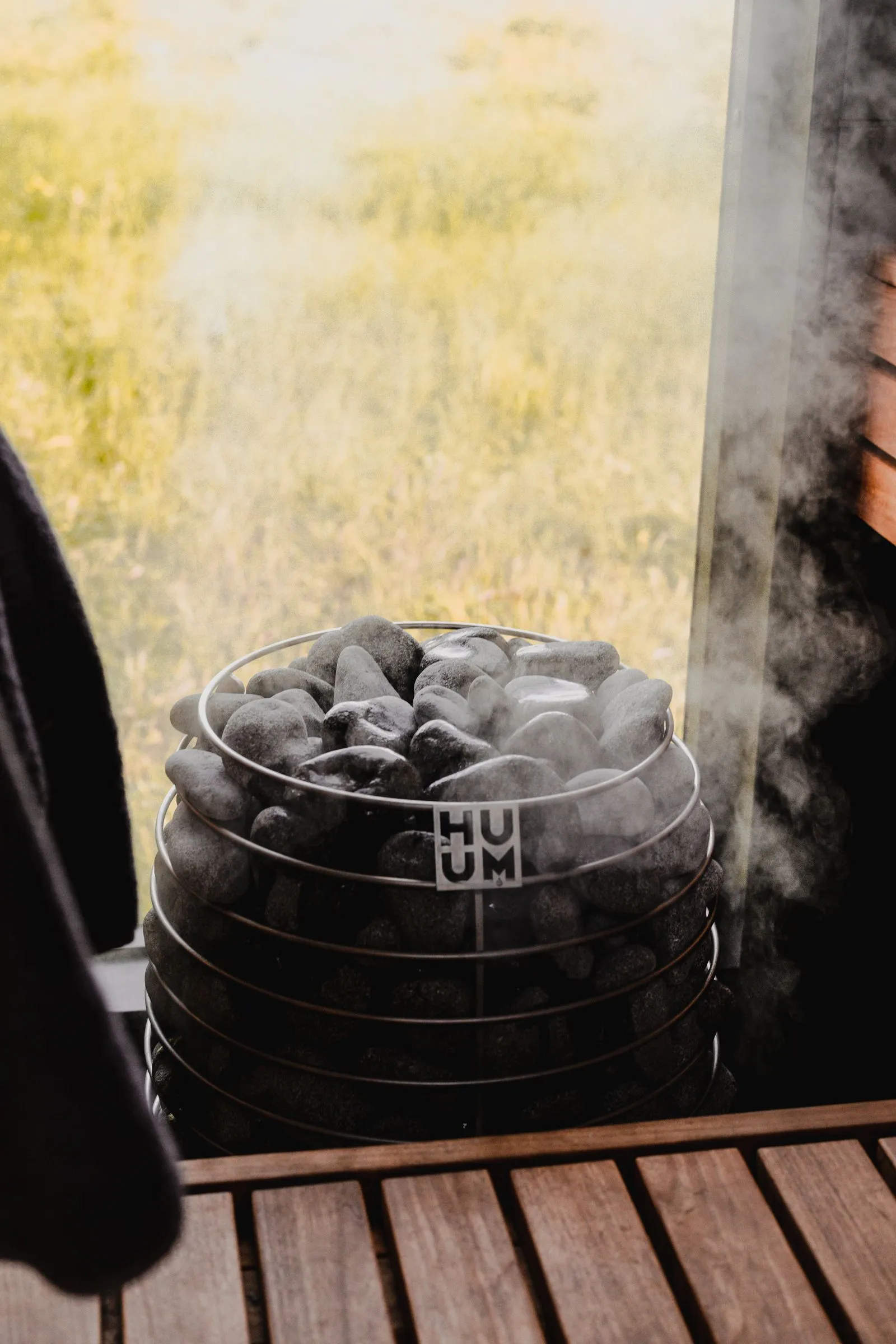
| Restack / replace stones | Cracked stones choke airflow and dull the löyly — see the stone guide |
| Sand the benches | Removes stains and greying; restores a fresh surface |
| Inspect vapour barrier & wood | Catch any hidden moisture or rot early |
| Service / test the heater | Confirm safe operation and controls; electric work by a qualified electrician |
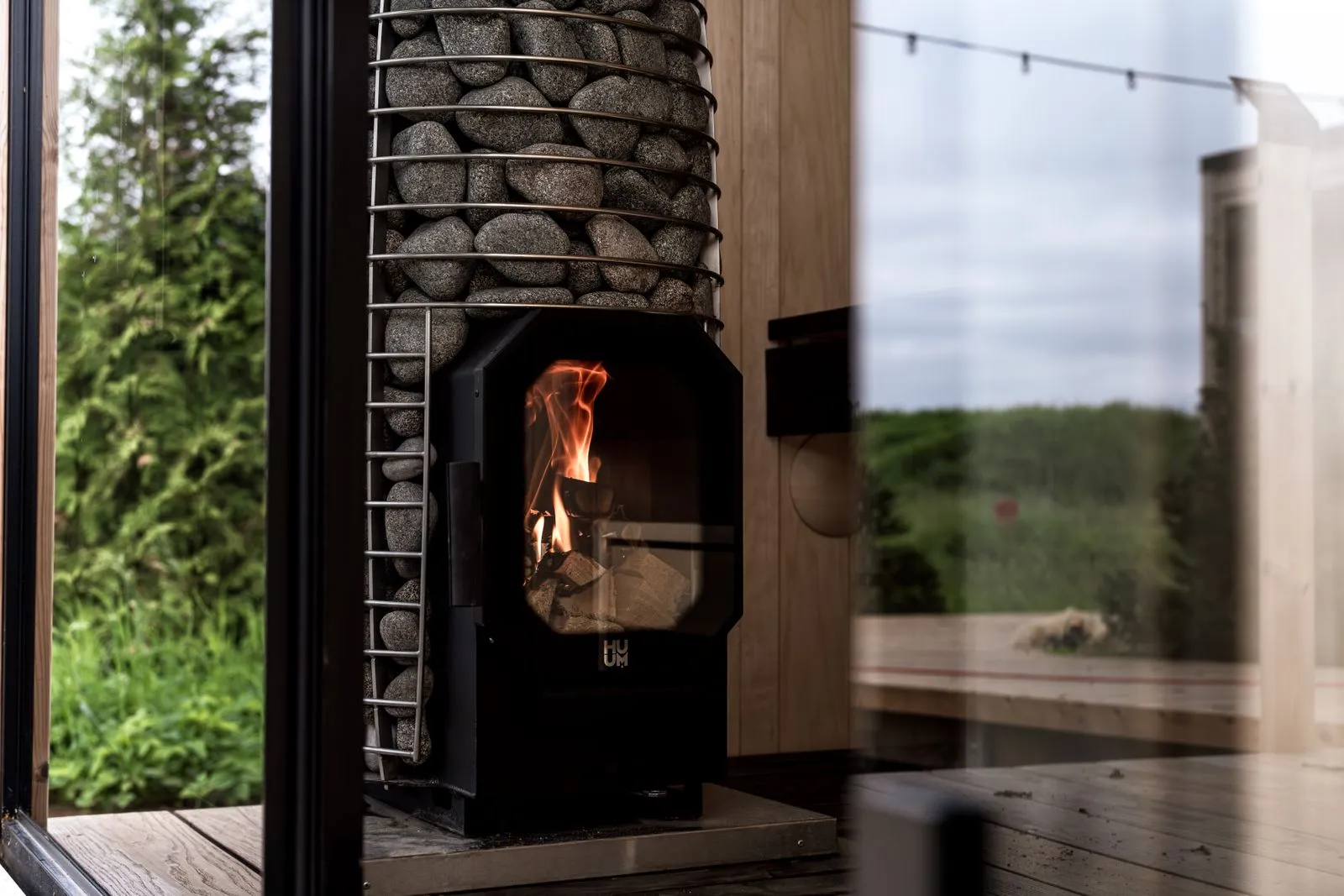
| Sweep the chimney (wood stoves) | Creosote is the main fire risk |
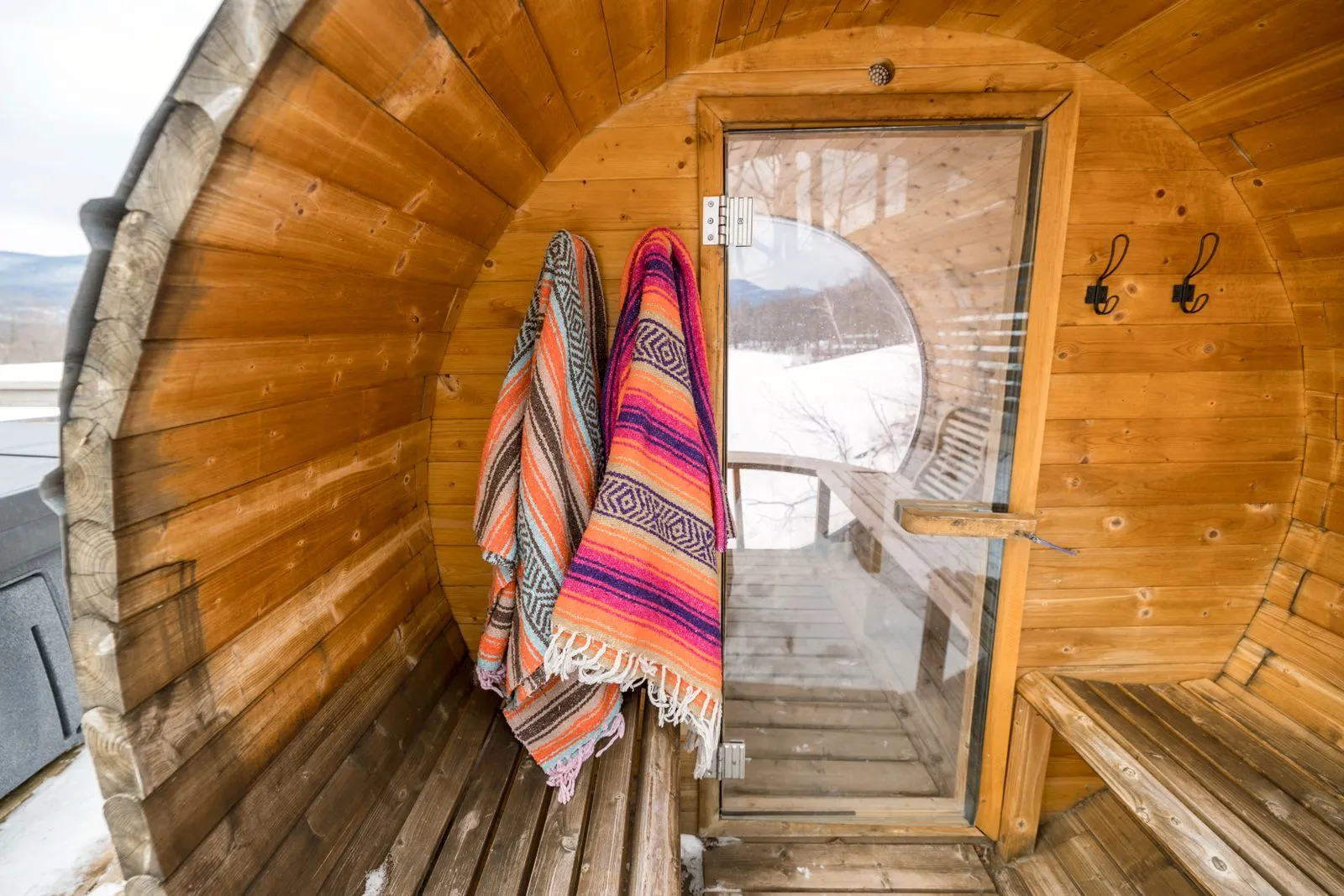
| Re-tension barrel bands | Solid staves move with the seasons |
A printable rhythm
If you remember nothing else, remember the cadence:
- Every use: towel down, then dry the room out.
- Weekly: clean and dry properly.
- Monthly: inspect wood, vents and heater.
- Yearly: stones, benches, heater, chimney.
None of this is difficult or expensive. It’s the difference between a sauna that stays a pleasure to walk into and one that slowly becomes a chore — and it protects the investment you made in the heater, the wood, and the build itself.
Frequently asked questions
What maintenance does a sauna need?
Regular cleaning and drying, periodic checks of the benches, wood, vents and heater, and yearly tasks such as restacking or replacing stones and inspecting the heater and, for wood stoves, sweeping the chimney. Most of it is quick if done on schedule.
How often should sauna stones be replaced?
Inspect them once or twice a year and replace cracked or crumbling stones — typically every 1–3 years for regular use. Restack the whole pile at the same time to restore airflow.
How do I maintain a wood-burning sauna heater?
Clean out ash regularly, check the firebox and stones, and have the chimney swept on schedule to remove creosote, which is the main fire risk. Follow the manufacturer's guidance.
What yearly sauna maintenance should I do?
Restack or replace stones, inspect and gently sand the benches, check the vapour barrier and vents, test the heater and its controls, and for wood stoves sweep the chimney and inspect clearances.
How do I stop my sauna from developing mould or mildew?
Dry it thoroughly after every use with the vents open, clean regularly, and make sure ventilation is working. Mould needs trapped moisture; remove that and it can't take hold.
Do outdoor saunas need extra maintenance?
Yes — the exterior needs weather protection per the maker's guidance, the foundation and drainage should be checked, and in barrel saunas the bands may need occasional re-tensioning as the wood moves.
What is the single most important maintenance habit?
Drying the sauna fully after every use with the door and vents open. Most smell and mould problems come from trapped moisture, so this one habit prevents them before they start and makes the weekly and yearly tasks far easier.