Sauna Wood Stove Chimneys: Installation and Safety
A wood-burning sauna needs a properly installed insulated chimney with correct clearances and regular sweeping. Here is what to know about sauna chimneys.
The short answer
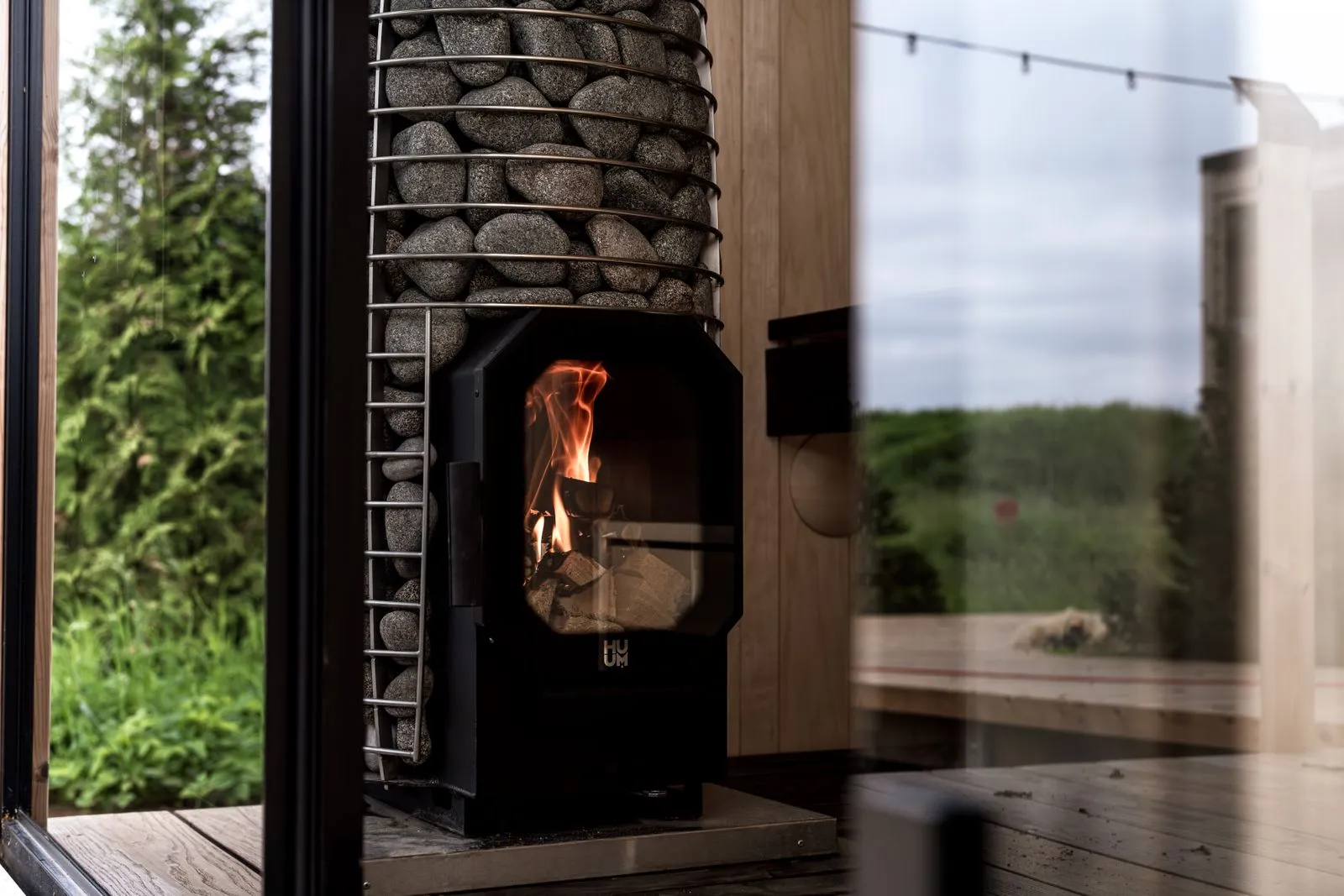
A wood-burning sauna requires an insulated chimney of the correct size and height, installed to fire code with proper clearances to combustibles and a spark arrestor where required. Regular sweeping to control creosote is the main ongoing safety task.
The chimney is the part of a wood-burning sauna that most affects both performance and safety. Done right, it draws cleanly and safely for years; done poorly, it is the leading cause of sauna fires.
What a sauna chimney needs
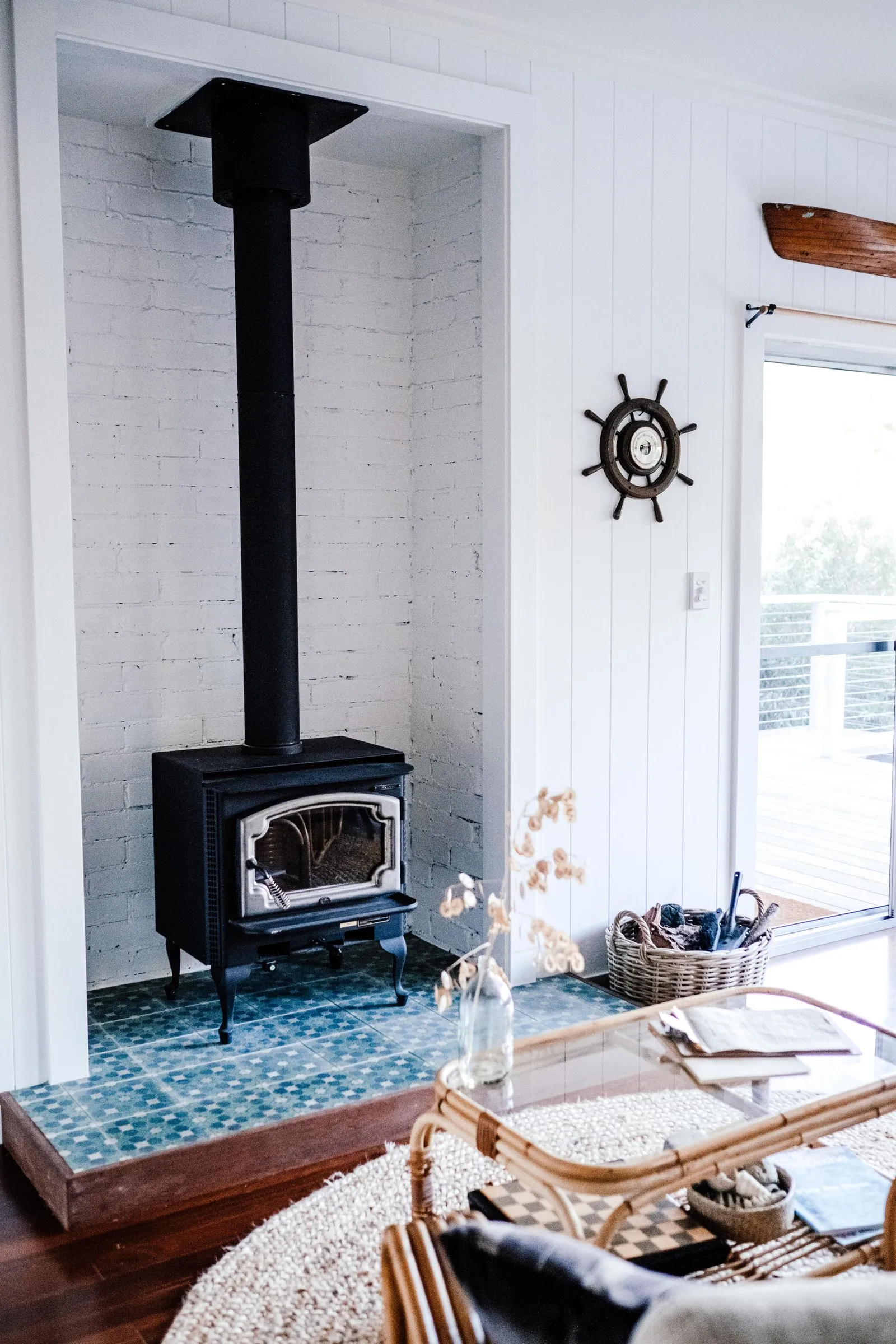
- Insulated (double-wall) flue where it passes through the roof and above, to keep gases hot and clearances safe.
- Correct diameter and height for the stove, so it draws properly — too short or wrong-sized and it will smoke.
- Clearances to combustibles at every point, including the timber roof penetration, per fire code.
- A spark arrestor where required, especially near trees or in fire-prone areas.
Creosote — the main risk
Burning wood deposits creosote inside the flue. Left to build up, it can ignite in a chimney fire. Control it by:
- Burning dry, seasoned hardwood — never damp, painted or treated wood.
- Sweeping the chimney on schedule, with easy access designed in from the start.
- Checking the flue during your yearly maintenance.
Good draw, good sauna
| Factor | Why it matters |
|---|---|
| Insulated flue | Safe surface temps, better draw |
| Correct height | Clean draw, no smoke-back |
| Clearances | Prevents heat reaching combustibles |
| Spark arrestor | Contains embers |
| Sweeping access | Makes creosote control easy |
A well-designed chimney is what lets a wood sauna deliver its deep, traditional heat safely. Pair it with a correctly installed stove and clearances, dry fuel, and regular sweeping, and the fire risk is fully manageable.
Draw, position and everyday use
A chimney does two jobs: it carries smoke safely away and it creates the draw that makes the fire burn well. Get the height, diameter and insulation right and the stove lights easily and burns cleanly; get them wrong and you fight smoke-back and a sluggish fire. Position matters too — the flue must clear the roofline properly and keep safe clearances from anything combustible at every point, including the roof penetration.
In everyday use, the chimney rewards good habits. Burning dry, seasoned hardwood keeps it clean; damp, painted or treated wood coats it with creosote, the main fire risk. Design in easy sweeping access from the start so the yearly clean is simple, and check the flue during your seasonal maintenance. A well-designed, well-maintained chimney is what lets a wood-burning sauna deliver its deep, traditional heat safely, season after season.
Because a chimney is fire-safety-critical, many owners have it installed or at least inspected by a qualified professional, even when handling the rest of the build themselves. The consequences of a poorly installed flue — smoke-back, or worse, a chimney fire from creosote — are serious enough that it is the wrong place to economise. Design in easy sweeping access, burn only dry hardwood, and treat the chimney as the part of a wood sauna that most rewards doing properly.
Frequently asked questions
What kind of chimney does a sauna wood stove need?
An insulated (double-wall) flue of the correct diameter and height for the stove, installed to fire code with proper clearances to combustibles and a spark arrestor where required.
How often should a sauna chimney be swept?
On a regular schedule — at least yearly for typical use, more with heavy use — to remove creosote, the main chimney-fire risk. Design in easy sweeping access from the start.
Why does my sauna stove smoke back into the room?
Common causes are a chimney that is too short or wrong-sized, poor draw, a blocked or creosote-laden flue, or burning damp wood. Have the chimney checked and burn dry hardwood.
Can I install a sauna chimney myself?
Because it is fire-safety-critical, follow the manufacturer instructions and local fire code precisely, use listed components, and where required have it inspected. Many people use a qualified installer.
What wood prevents creosote build-up?
Dry, seasoned hardwood such as birch, maple or oak burns hot and clean. Damp, painted or treated wood smokes and accelerates creosote — avoid it entirely.
Why does chimney height and diameter matter?
They create the draw that makes the fire burn cleanly and stops smoke backing into the room. A chimney that is too short or the wrong size draws poorly, causing a sluggish fire and smoke-back.
How do you keep a sauna chimney safe day to day?
Burn only dry, seasoned hardwood — never damp, painted or treated wood, which coats the flue with creosote. Design in easy sweeping access, sweep on schedule, and inspect the flue during seasonal maintenance.
What is the main fire risk with a wood sauna?
Creosote build-up in the chimney, which can ignite in a chimney fire. Control it by burning dry hardwood and sweeping the chimney regularly, with access designed in from the start.
Should a professional install a sauna chimney?
Many owners have the chimney installed or at least inspected by a qualified professional, since it is fire-safety-critical. A poorly installed flue risks smoke-back or a chimney fire, so it is the wrong place to economise.