Comparisons
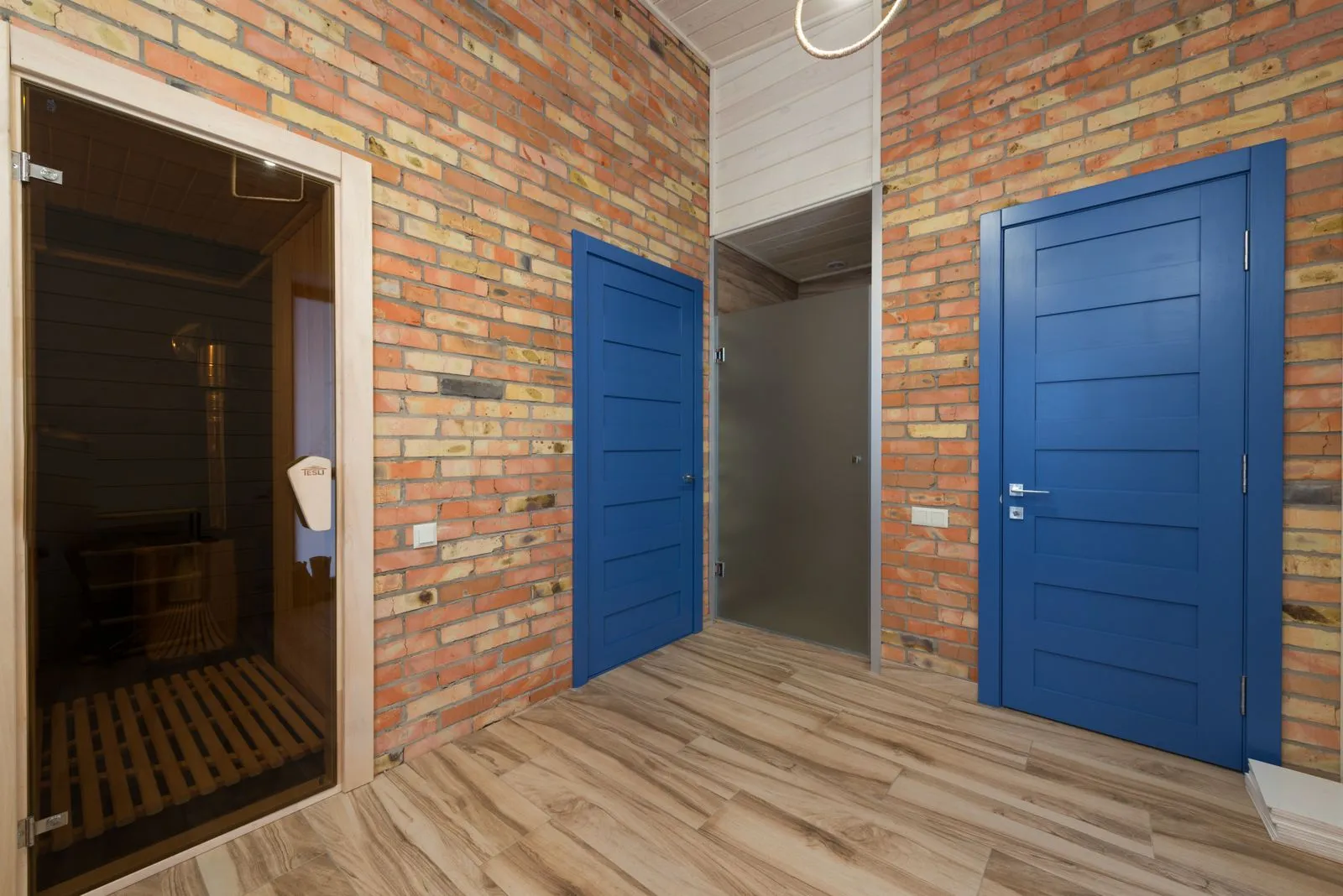
Glass vs. Wood Sauna Door
A glass sauna door feels open and modern; a wood door is traditional and holds heat slightly better. Here is how the two compare, and the safety rules for both.
The Almanac · Cluster
Head-to-head comparisons — heater types, wood species, sauna styles and brands — to help you decide with clear trade-offs.
20 articles · page 2 of 3
A glass sauna door feels open and modern; a wood door is traditional and holds heat slightly better. Here is how the two compare, and the safety rules for both.
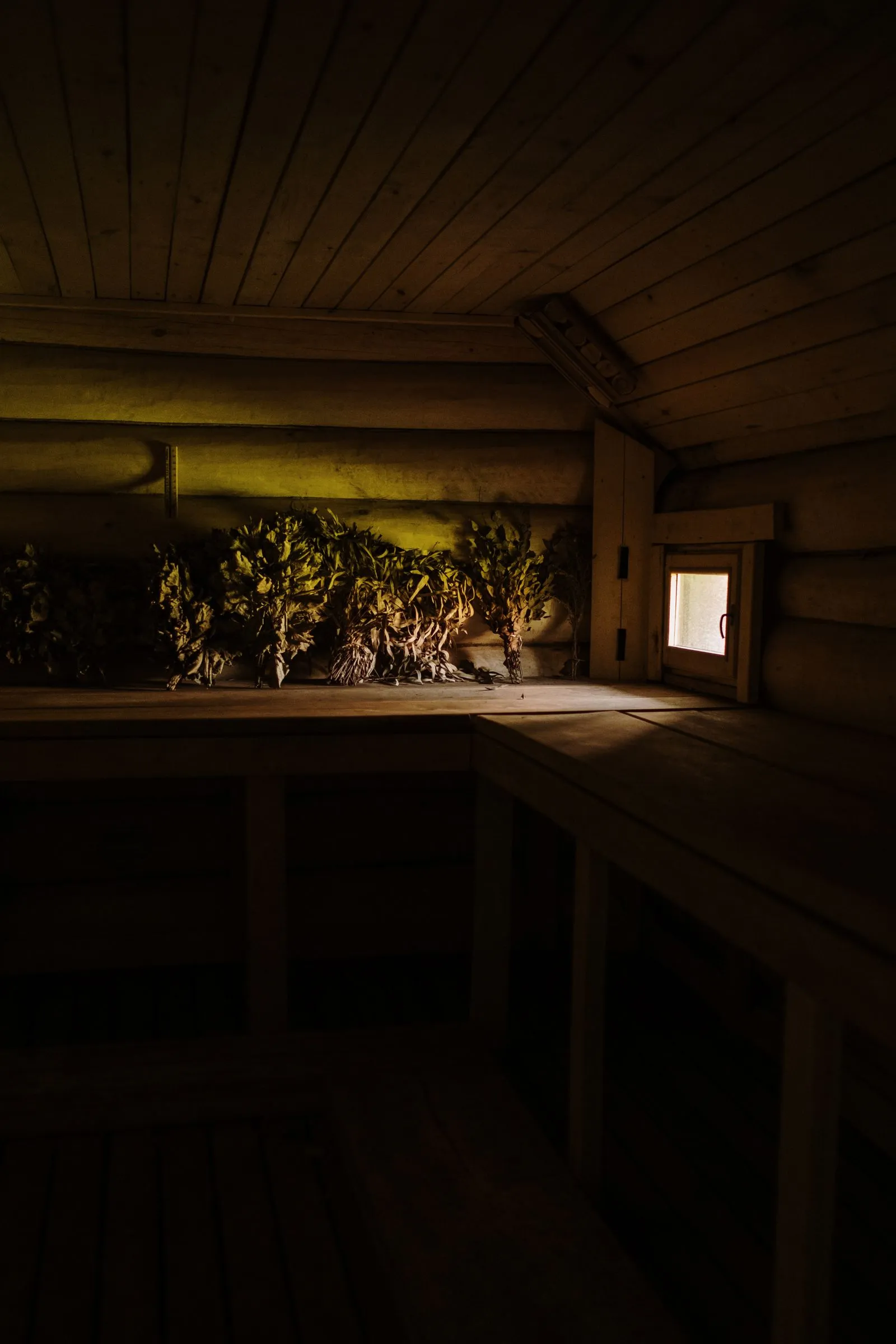
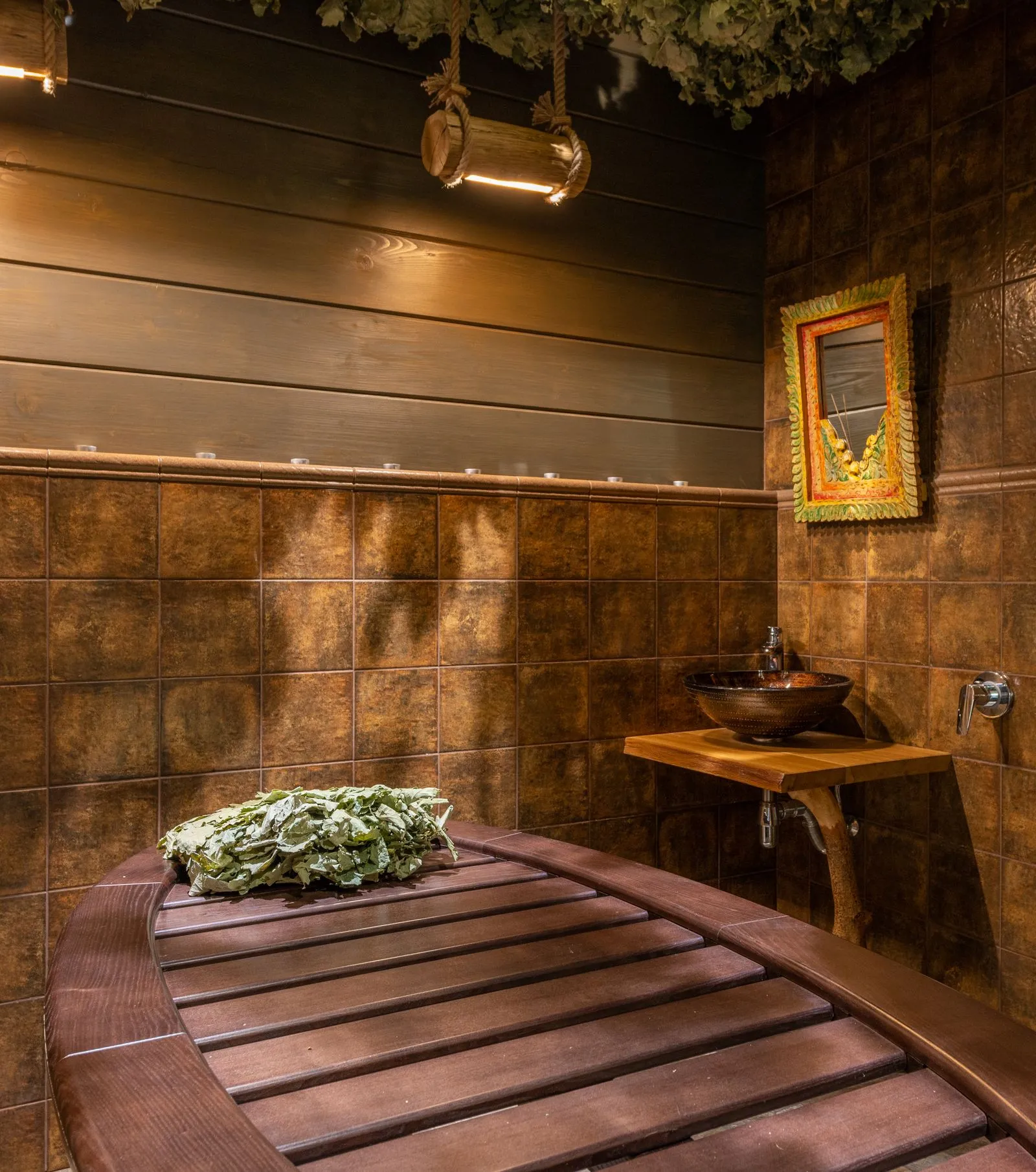
The Finnish sauna and the Russian banya are cousins — both hot stone baths, but the banya runs more humid and uses the venik whisk. Here is how they compare.
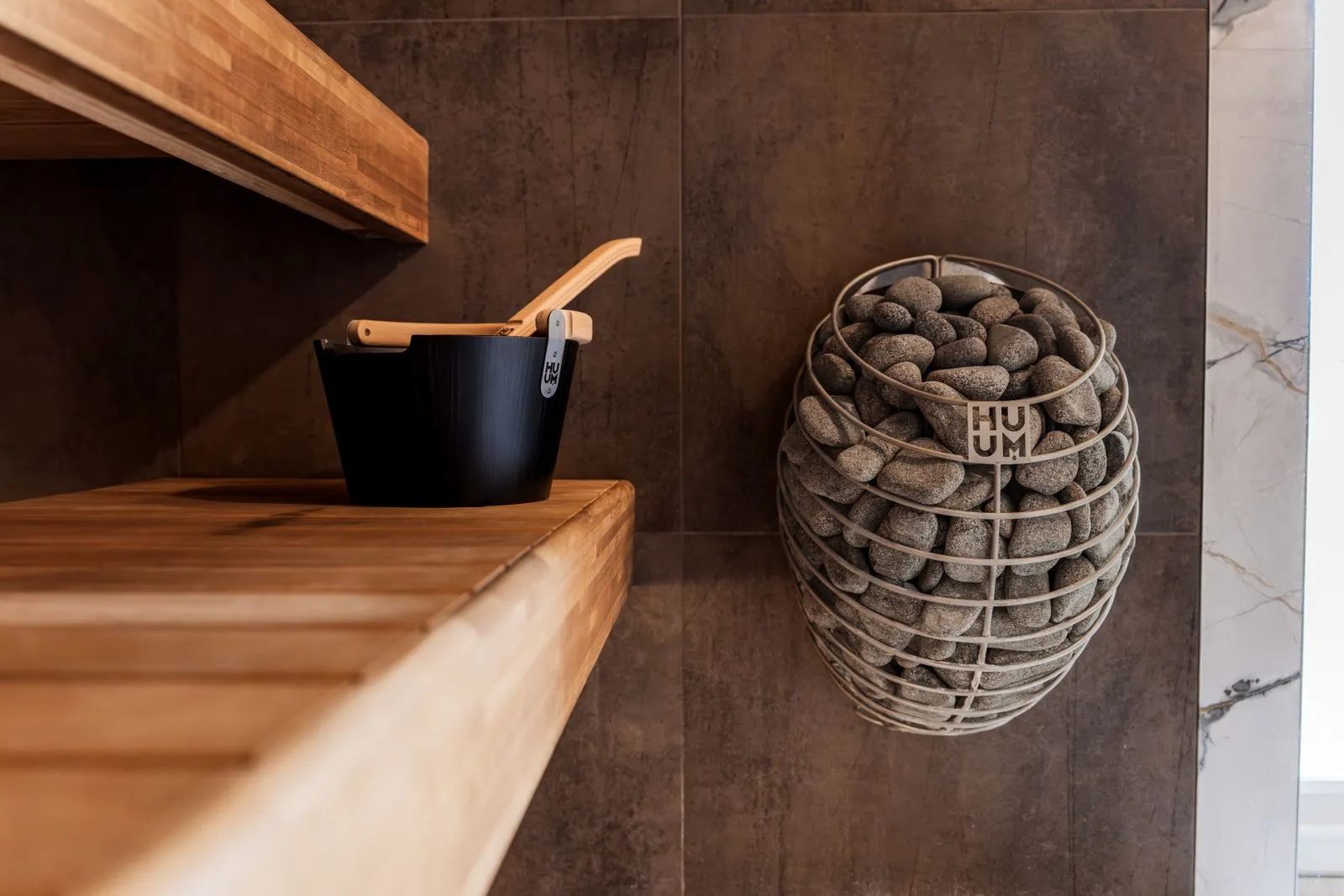
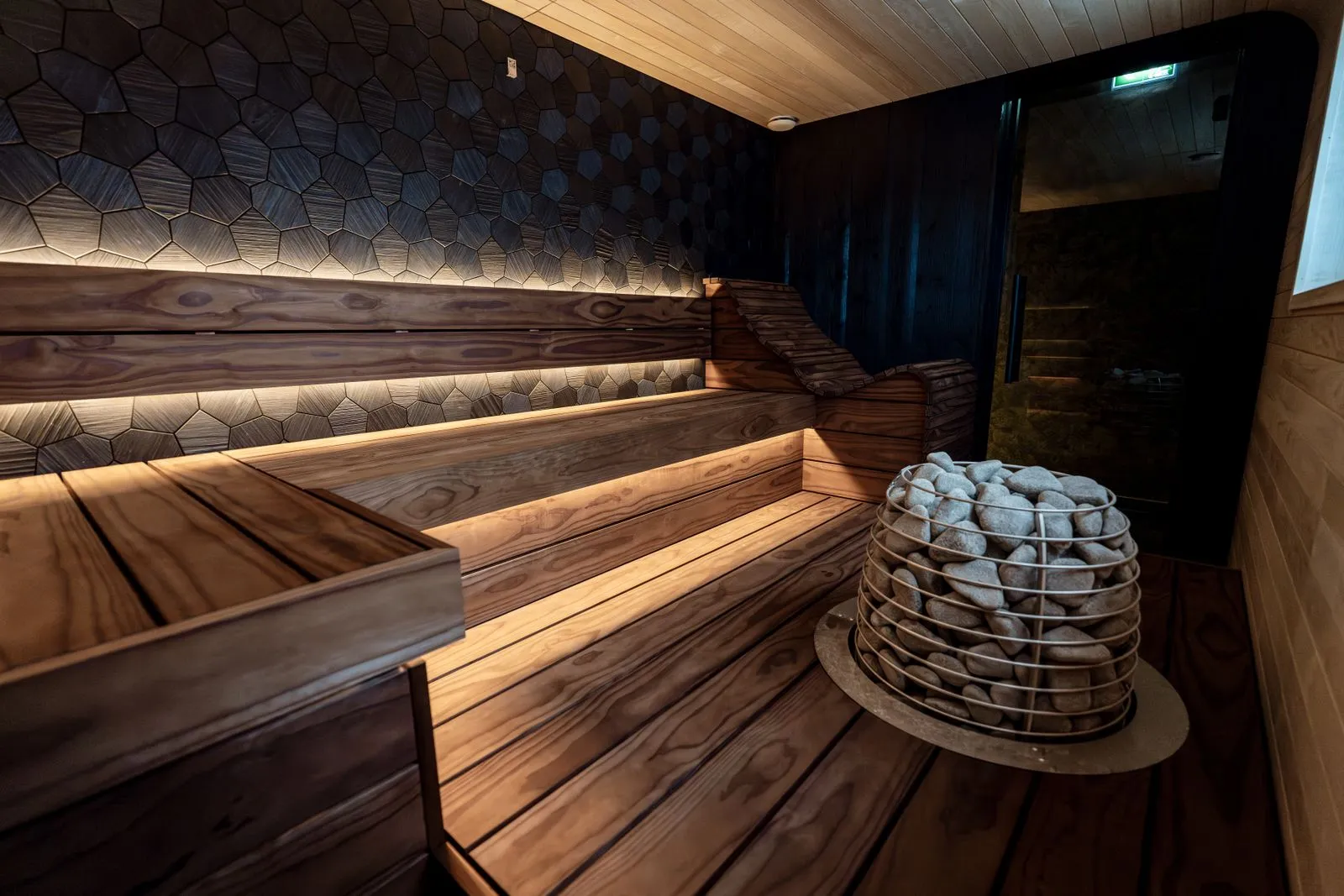
Electric heaters are convenient and clean; wood-burning stoves are traditional and off-grid. Compare heat, cost, effort and safety to choose the right one.
An electric sauna is a hot traditional sauna with löyly; an infrared sauna is gentle radiant warmth with no steam. Here is how they compare.
Dry and wet sauna describe how much water you add — a traditional sauna does both, in cycles. Here is what the terms really mean and how they differ from steam rooms.
Cedar is aromatic and naturally rot-resistant; thermally modified wood is extra-stable and durable. Here is how cedar and thermowood compare for saunas.
Cedar is aromatic, stable and rot-resistant; hemlock is economical, even-grained and near-scentless. Here is how the two sauna woods compare.
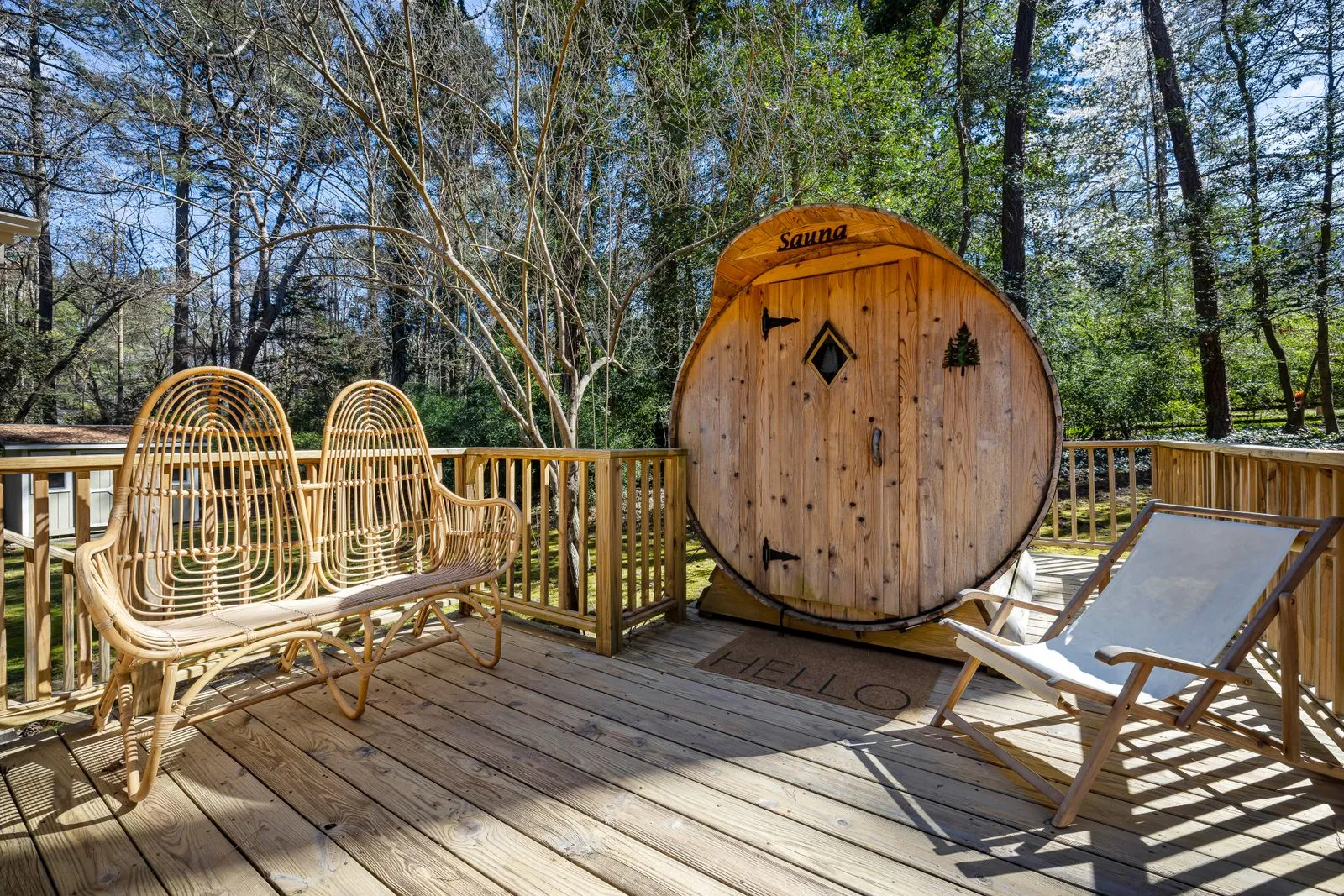
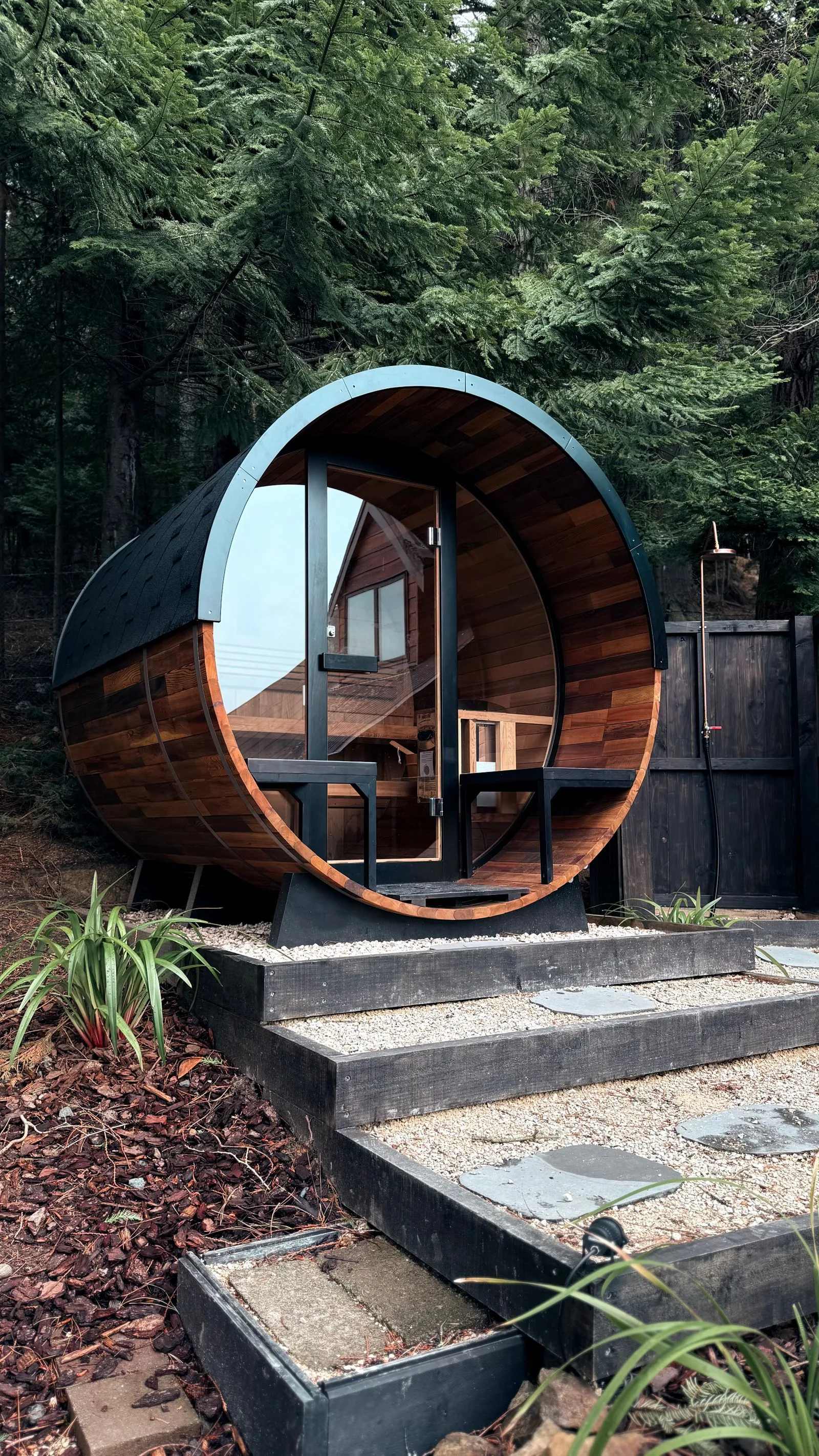
A barrel sauna is a durable, efficient permanent build; a tent sauna is a portable, packable shelter. Here is how they compare and who each suits.
A barrel sauna heats efficiently and sheds snow; a cube sauna offers full headroom and a modern look. Here is how the two outdoor shapes compare.