Saunas for Stress and Relaxation
The most reliable benefit of a sauna is relaxation. Here is how the heat, quiet and ritual help relieve stress, and how to get the most calm from a session.
The short answer
The most reliable benefit of a sauna is stress relief. The combination of heat, stillness, and a break from screens reliably produces a relaxation response — and the deep hot-cold contrast leaves many bathers with a lasting sense of calm.
Amid all the debate about saunas and health, one benefit is barely disputed: they relax you. For stress relief, the sauna track record is excellent and uncontroversial.
Why saunas calm you
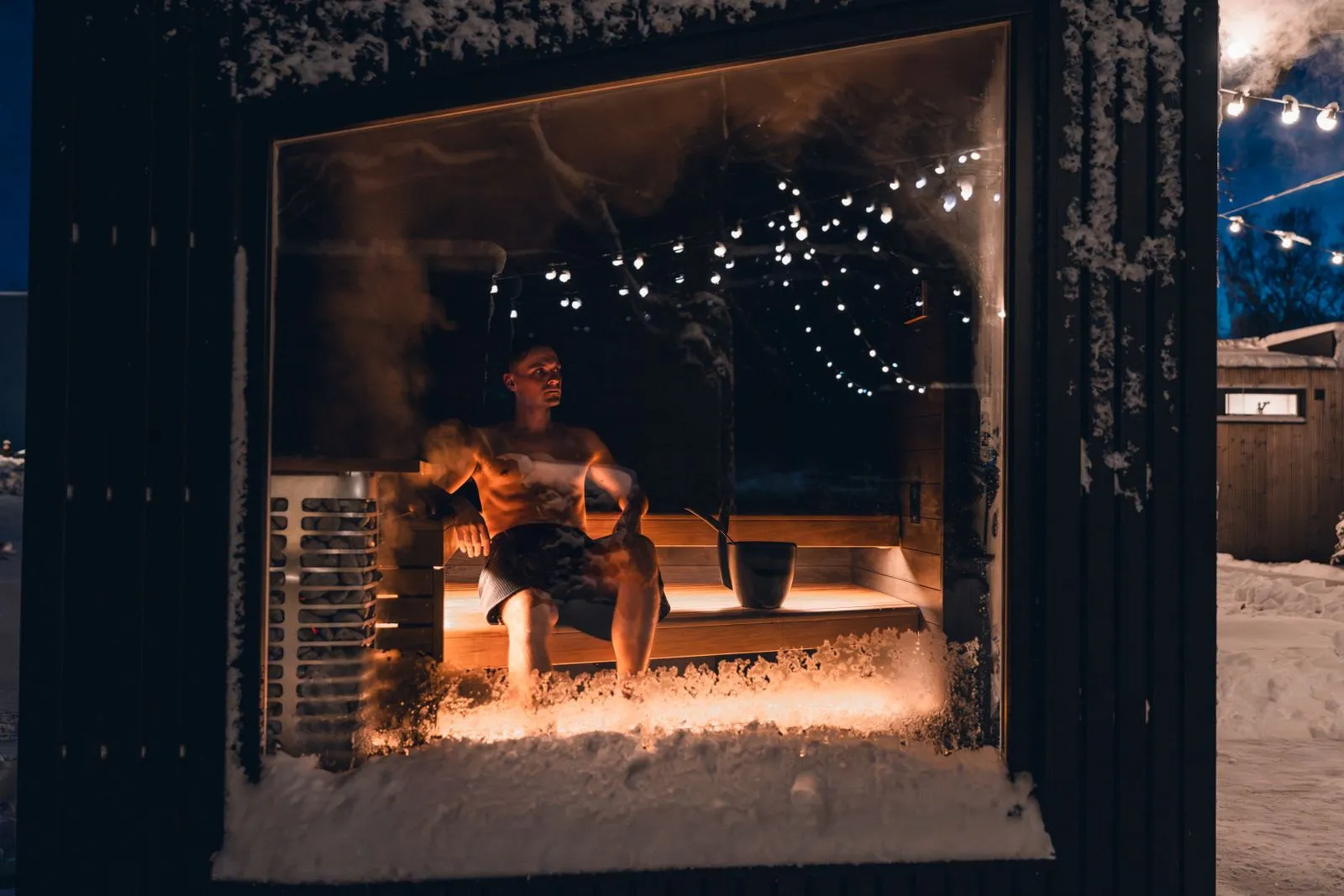
- Heat and stillness. Warmth and a quiet, enclosed space shift the body toward a relaxed state.
- A screen-free pause. A sauna is one of the few places you genuinely disconnect — no phone, no notifications.
- Ritual. The routine of heating, bathing, cooling and resting is meditative in itself.
- The afterglow. The calm that follows a session, especially with a cold plunge, is what keeps people coming back.
Getting the most calm
Make it a habit
The stress-relief benefit compounds when a sauna becomes a regular ritual rather than an occasional novelty — a reliable place to decompress after a hard day or week. An evening session doubles as a wind-down toward sleep.
Whatever the research eventually says about the deeper health effects, the sauna delivers relaxation now, every time. Observe the safety basics, keep it calm, and enjoy the one benefit no one argues with.
Turning relaxation into a reliable habit
The stress-relief benefit of a sauna compounds when it becomes a regular ritual rather than an occasional novelty — a dependable place to decompress after a hard day or week. Because the effect is immediate and consistent, it is easy to build a habit around: the heat and quiet reliably shift you toward a relaxed state every time, with no need to wait for results.
To get the most calm, keep sessions low-stimulation and unhurried. Dim, warm lighting, no phone, moderate heat, and simply time to sit do more than any technique. Resist the urge to turn the sauna into an endurance test or a workout; the relaxation comes from letting go, not from pushing through. Pairing the heat with a cold plunge deepens the after-session calm for many people.
An evening session doubles neatly as a wind-down toward sleep, and even a short, regular sauna habit can become one of the steadier anchors in a busy week — a small, reliable pocket of quiet that asks nothing of you but to sit and breathe.
Frequently asked questions
Do saunas help with stress?
Yes — stress relief is the most reliable and least disputed benefit of a sauna. The heat, stillness and screen-free pause reliably produce a relaxation response, and the after-session calm is what draws people back.
Why are saunas so relaxing?
A combination of warmth, quiet, a genuine break from screens and notifications, and the meditative ritual of heating, bathing and cooling. The afterglow, especially with a cold plunge, deepens the calm.
How do I get the most relaxation from a sauna?
Keep it unhurried and low-stimulation: dim lighting, no phone, moderate heat and time to just sit. Avoid turning it into an endurance test — the calm comes from letting go.
Is a sauna good for mental well-being?
Many people find regular sauna use a dependable way to decompress and improve their sense of well-being, largely through relaxation. It is best treated as a calming ritual rather than a medical treatment.
How often should I sauna for stress relief?
The benefit compounds as a regular ritual rather than an occasional novelty. A few sessions a week suit many people; start conservatively and see how you respond.
Are saunas genuinely good for stress?
Yes — stress relief is the most reliable and least disputed benefit of a sauna. The combination of heat, stillness and a screen-free pause reliably produces a relaxation response, and the after-session calm keeps people coming back.
How do I get the most relaxation from a sauna?
Keep it low-stimulation and unhurried: dim warm lighting, no phone, moderate heat, and time to just sit. Avoid turning it into an endurance test — the calm comes from letting go, not pushing through.
How often should I sauna for stress relief?
The benefit compounds as a regular ritual rather than an occasional novelty. A few sessions a week suit many people. Start conservatively and build a sustainable habit rather than chasing intensity.
Does a cold plunge add to the relaxation?
For many people, yes — the hot-cold contrast deepens the after-session calm and sense of well-being. Approach the cold gently and follow the safety rules, but the alternation is part of what makes the ritual so restorative.