Sauna Lighting: Safe, Soft and Right
Sauna lighting should be soft, indirect and heat-rated, wired safely for a hot, humid room. Here is how to light a sauna for atmosphere and safety.
The short answer
Good sauna lighting is soft, indirect and heat-rated, wired for a hot, humid environment and often tucked behind a bench or backrest to avoid glare. It should create a calm atmosphere without ever being harsh or unsafe.
Lighting sets the mood of a sauna, and it also has to survive heat and humidity that would destroy ordinary fixtures. The goal is soft, safe and indirect.
The principles
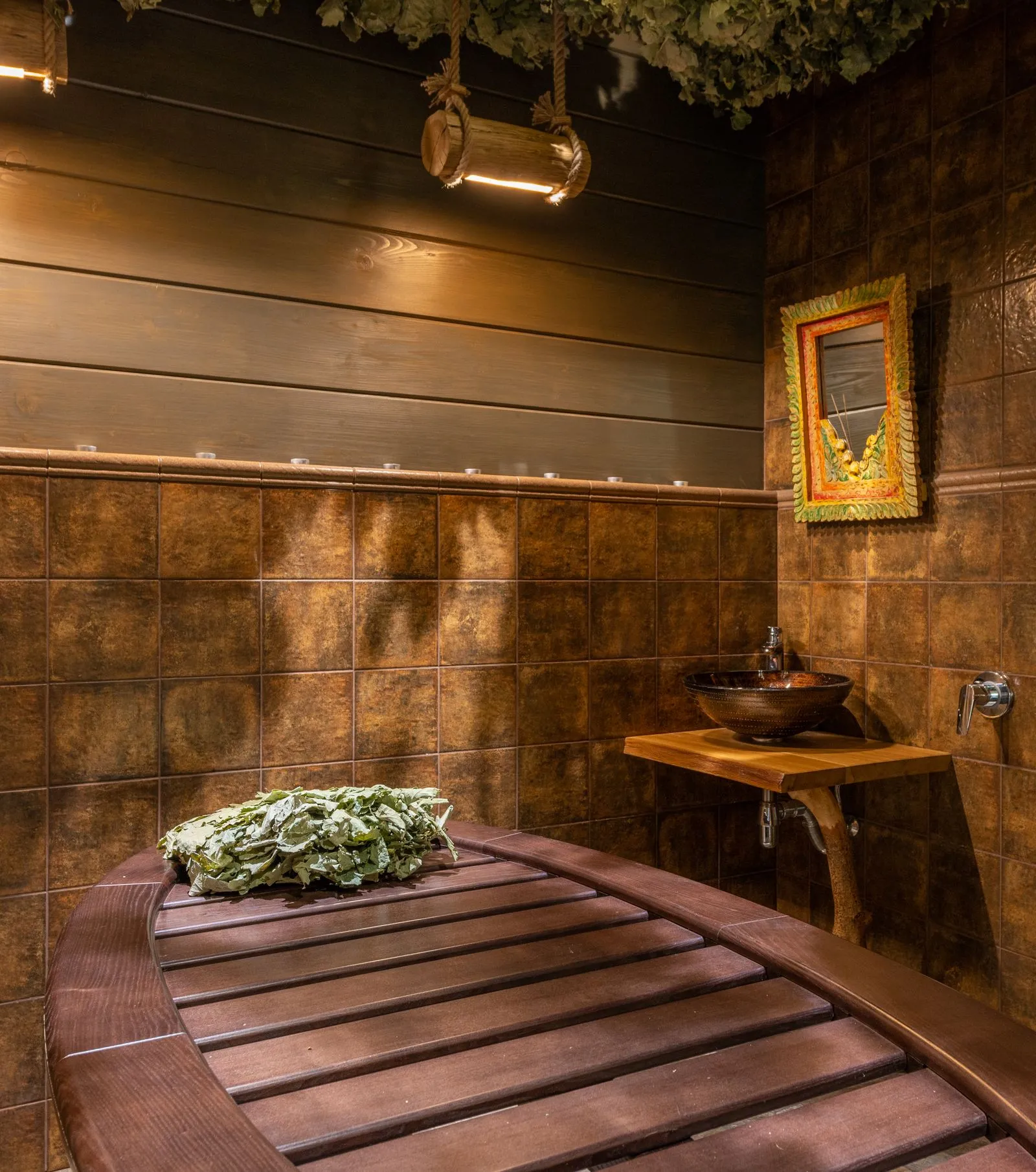
- Soft and indirect. Hide the source — behind a backrest, under a bench, or in a corner shade — so you see warm glow, not a bright bulb.
- Heat- and moisture-rated. Use fittings rated for sauna temperatures and humidity; ordinary fixtures are not safe here.
- Low and calm. A sauna is a place to relax; dim, warm light beats bright, cool light every time.
Where to put it
Options
| Type | Notes |
|---|---|
| Heat-rated wall fixture | Simple, reliable; shade or recess it |
| LED strip (sauna-rated) | Indirect glow under benches; must be rated for heat |
| Fibre-optic | Cool at the point of light; premium, atmospheric |
| Salt lamp / candle look | Decorative; ensure genuine heat safety |
Keep it simple, keep it soft, and keep it safe. Combined with warm cedar or aspen and a calm layout, the right lighting turns a hot box into a retreat.
Getting the atmosphere right, safely
Good sauna lighting is a balance of atmosphere and safety, and the two go together. The atmosphere comes from hiding the source — tucking a heat-rated fixture behind the backrest, under the top bench, or in a shaded corner so the light washes up the wood as a warm glow rather than shining in your eyes. Dim, warm, indirect light suits a place of relaxation far better than bright, cool light, and a single well-placed fixture often beats several.
The safety comes from using only fittings rated for sauna heat and humidity, wired to code by a qualified electrician as part of the same work as the heater. Ordinary light fixtures are not built for these conditions and can fail dangerously. Sauna-rated LED strips, heat-rated wall fixtures, and fibre-optics are all good options, chosen for the look you want. Get both halves right — soft and indirect, safe and heat-rated — and the lighting turns a hot box into a calm, inviting retreat.
A good habit when planning lighting is to design it in with the electrical rough-in, not bolt it on afterward. Running the wiring for a heat-rated fixture behind the backrest or under a bench before the cladding goes up gives a clean, hidden, indirect glow with no surface clutter. Combined with warm wood and a calm layout, that single well-placed light does more for the atmosphere than several bright fixtures ever could.
Frequently asked questions
What kind of lighting can you use in a sauna?
Only fixtures rated for the heat and humidity of a sauna, wired to code. Soft, indirect light — heat-rated wall fixtures, sauna-rated LED strips or fibre-optics — tucked out of direct view works best.
Is normal lighting safe in a sauna?
No. Ordinary light fittings are not built for sauna temperatures and humidity and can fail dangerously. Use fixtures specifically rated for saunas, installed by a qualified electrician.
Where should sauna lights go?
Indirectly — behind a backrest, under the top bench, or in a shaded corner — so you see a warm glow rather than a bright bulb. This is more relaxing and reduces glare.
Can you use LED strips in a sauna?
Yes, if they are specifically rated for sauna heat and humidity and installed correctly. Placed under benches they give a soft, indirect glow. Do not use ordinary LED strips.
How bright should a sauna be?
Dim and warm. A sauna is for relaxation, so soft, low, indirect light creates the right atmosphere far better than bright, cool lighting.
How do you make sauna lighting atmospheric?
Hide the source — tuck a heat-rated fixture behind the backrest, under the top bench, or in a shaded corner so the light washes up the wood as a warm glow. Dim, warm, indirect light suits relaxation far better than bright light.
Can you use any light fitting in a sauna?
No — only fittings specifically rated for sauna heat and humidity, wired to code by a qualified electrician. Ordinary fixtures are not built for these conditions and can fail dangerously.
What are good lighting options for a sauna?
Sauna-rated LED strips for an indirect glow under benches, heat-rated wall fixtures, and fibre-optics, all chosen for the look you want. The key is that they are rated for sauna conditions and installed safely.
When should sauna lighting be planned?
During the electrical rough-in, before the cladding goes up, so the wiring for a hidden, heat-rated fixture can be run behind a backrest or under a bench. A single well-placed indirect light does more for the atmosphere than several bright ones.