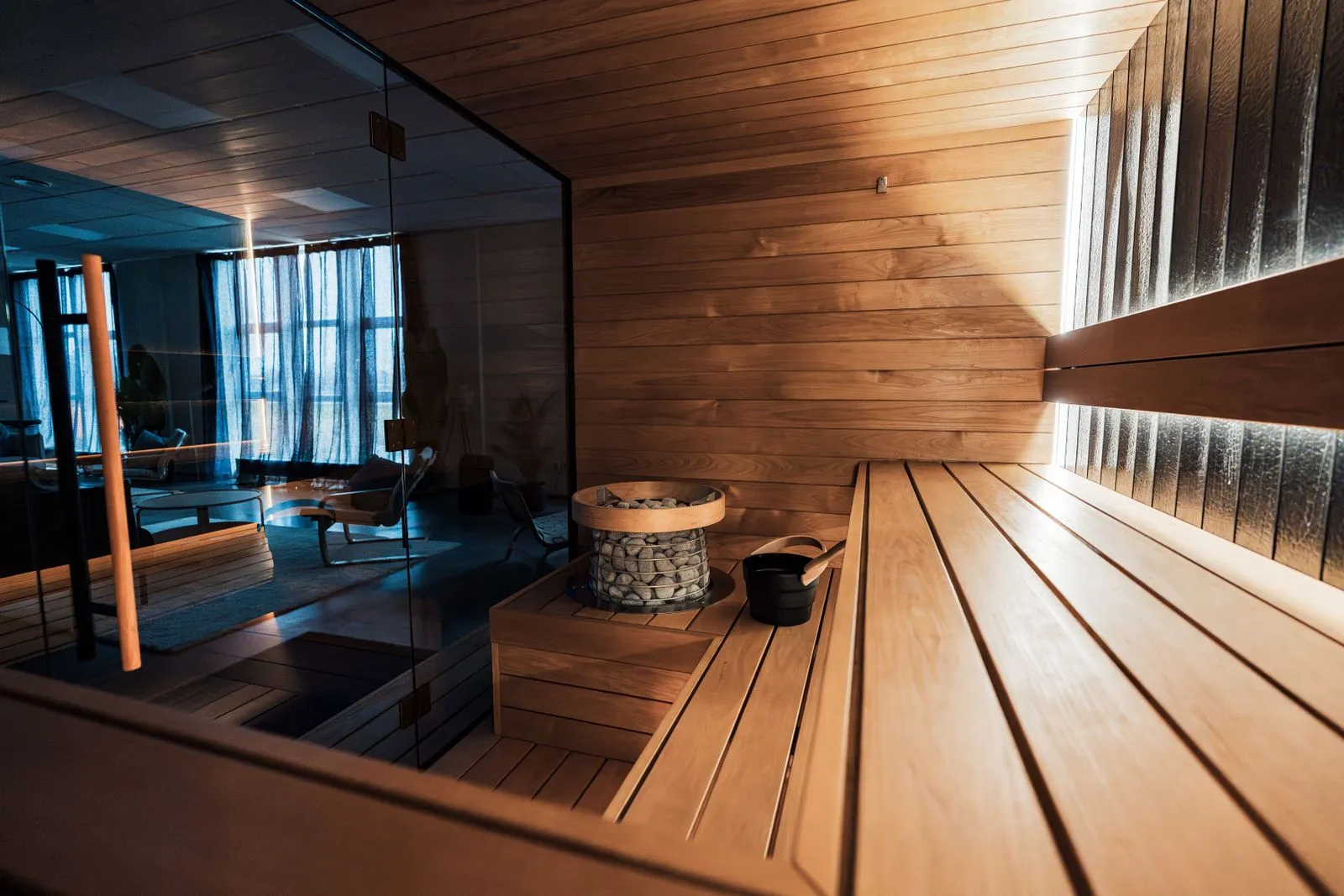
Winter Care for an Outdoor Sauna
An outdoor sauna is at its best in winter but needs care — snow clearing, seals, drainage and drying. Here is how to keep an outdoor sauna healthy in the cold.
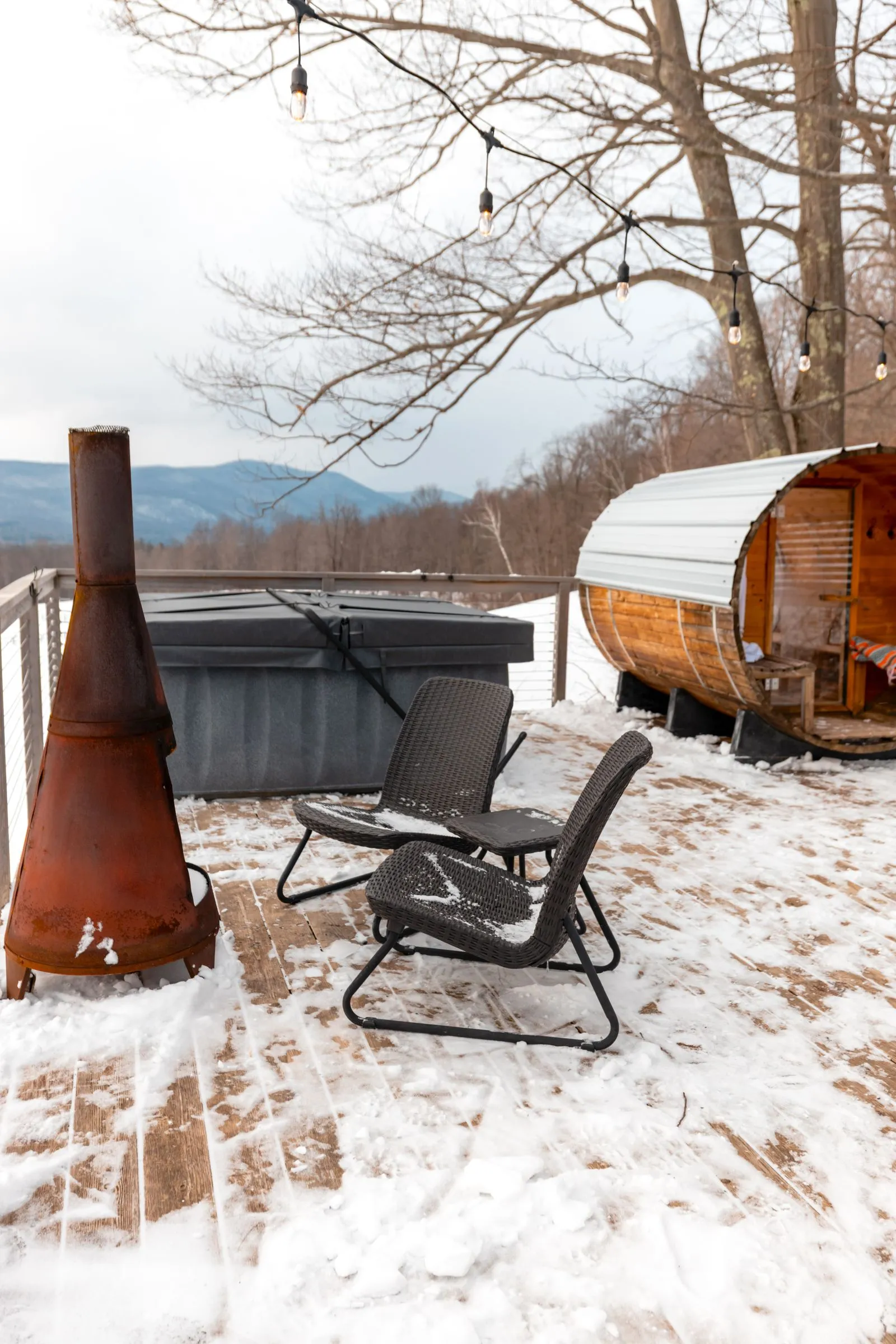
The short answer
An outdoor sauna thrives in winter but needs care: clear snow off the roof and path, keep the door seal in good shape, ensure drainage does not freeze, and dry the interior fully after use. The cold is the point — you just help the sauna handle it.
Winter is when an outdoor sauna earns its keep, but the cold, snow and freeze-thaw put extra demands on it. A little seasonal care keeps it performing and protects the structure.
Snow and the path
- Clear the roof of heavy snow on a cabin (a barrel sheds its own). Follow the roof guidance.
- Keep the path safe. A clear, non-slip route between the house, sauna and cold plunge makes winter use realistic and safe.
- Clear the door area so it opens freely and seals cleanly.
Seals and heat
Drainage and freezing
Drying in the cold
Drying is trickier in winter but just as important. After use, run the ventilation and let the residual heat dry the interior. A sauna that freezes damp can trap moisture, so a thorough dry-out while it is still warm is the goal.
Off-season and spring
When the season ends, follow the general maintenance checklist: inspect the wood, seals, foundation and (for wood stoves) the chimney. An outdoor sauna that is cared for through winter and checked in spring will deliver its best heat exactly when you want it most.
Staying ahead of snow, ice and damp
Winter care for an outdoor sauna is mostly about staying ahead of three things: snow, ice, and trapped damp. Clear heavy snow off a cabin roof (a barrel sheds its own), keep the path and door area clear so the door opens and seals cleanly, and make sure meltwater drains away from the foundation rather than pooling and freezing, which can heave the base.
The door seal earns its keep most in winter, since it is the difference between a fast heat-up and fighting the cold all session. Check the weatherstripping is intact and the door closes snugly before the cold season, and address any drafts. Good insulation and a tight seal are what make winter use genuinely pleasant rather than a battle.
Drying is trickier but just as important in the cold. After use, run the ventilation and let the residual heat dry the interior thoroughly while it is still warm, so moisture is not left to freeze inside. Cared for this way, an outdoor sauna delivers its best heat exactly when you want it most — on a cold, snowy night.
Frequently asked questions
How do you care for an outdoor sauna in winter?
Clear snow off a cabin roof and the path, keep the door seal tight, ensure drainage does not pool and freeze, and dry the interior fully after use using the residual heat and ventilation.
Can you use an outdoor sauna in winter?
Yes — winter is when an outdoor sauna is at its best. A tight door seal and good insulation let it heat quickly and hold temperature even on very cold nights.
Should you clear snow off a sauna roof?
On a cabin sauna, clear heavy snow so the roof is not overloaded (a barrel sheds its own snow). Also clear the door area so it opens and seals cleanly.
How do you stop an outdoor sauna from freezing damp?
Dry the interior thoroughly after each use while it is still warm, using the ventilation and residual heat, so moisture is not left to freeze inside. Ensure drainage clears water away.
Does winter damage an outdoor sauna?
Not if it is cared for. The main risks are overloaded roofs, drafty seals, and water pooling and freezing around the foundation. Address those and winter is the season a sauna shines.
How do you care for an outdoor sauna in winter?
Clear snow off a cabin roof and the path, keep the door seal tight, ensure meltwater drains away from the foundation rather than freezing, and dry the interior fully after use using the residual heat and ventilation.
Why does the door seal matter most in winter?
Because a tight seal is the difference between a fast heat-up and fighting the cold all session. Check the weatherstripping and that the door closes snugly before the cold season, and fix any drafts.
How do you stop an outdoor sauna freezing damp?
Dry the interior thoroughly after each use while it is still warm, using the ventilation and residual heat, so moisture is not left to freeze inside. Ensure drainage carries water away from the base.
Is winter hard on an outdoor sauna?
Not if cared for. The main risks are overloaded roofs, drafty seals, and water pooling and freezing at the foundation. Address those and winter is the season an outdoor sauna shines.