Planning the Electrical for a Sauna
A sauna needs a dedicated circuit for the heater and heat-rated wiring for lighting, all to code. Here is how to plan the electrical side of a sauna.
The short answer
Plan a sauna electrical work early: an electric heater needs a dedicated circuit sized to its rating (often 240 V), possibly a panel upgrade, and heat-rated wiring for lighting — all installed by a licensed electrician to local code. Confirm your supply before buying the heater.
The electrical side of a sauna is safety-critical and best planned early, before you buy the heater or close up the walls. Getting it right is a matter of the correct circuit, adequate supply, and licensed installation.
The dedicated heater circuit
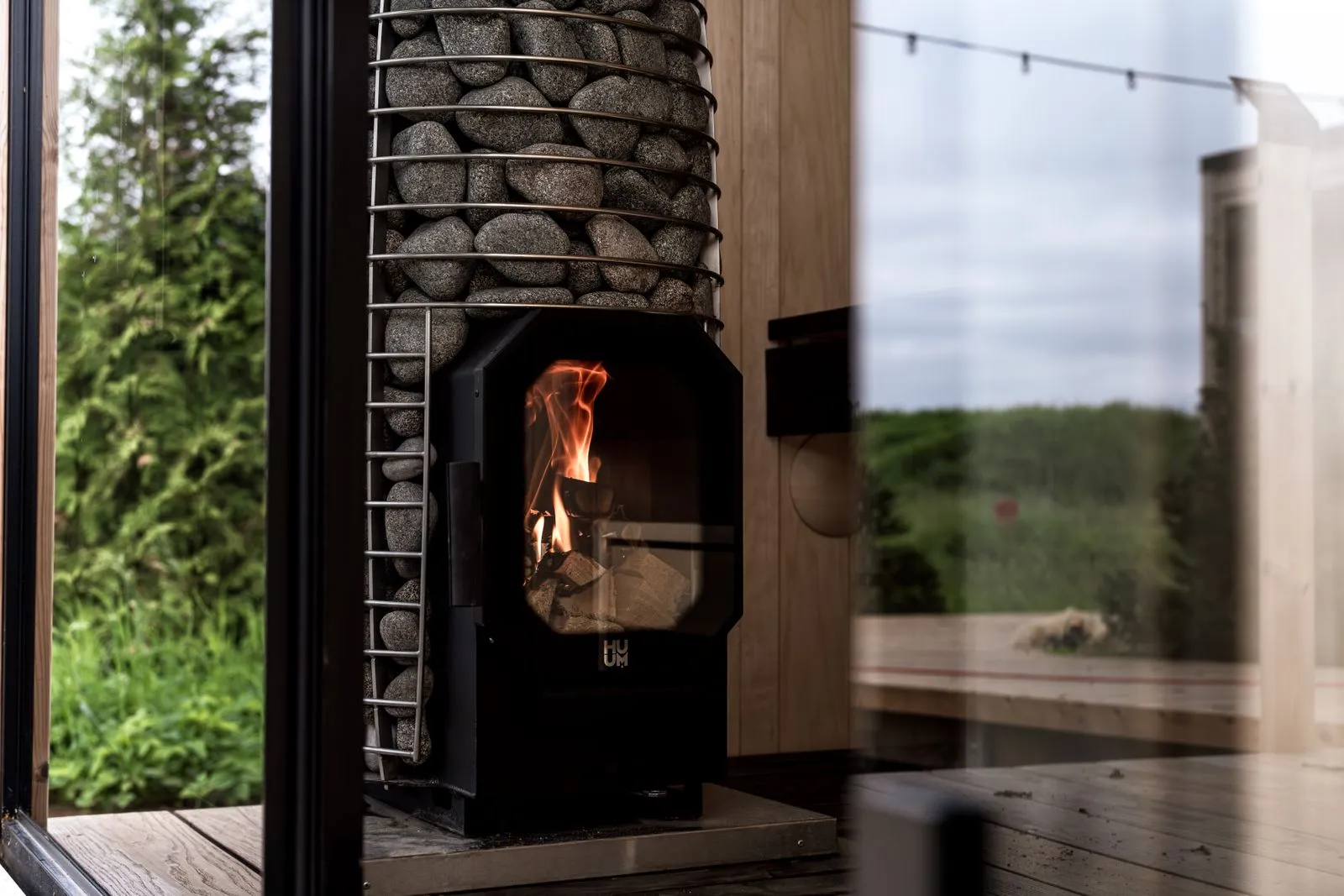
An electric sauna heater needs a dedicated circuit sized to its rating — commonly 240 V, with the amperage and wire gauge set by the heater output and your local code (the Canadian Electrical Code, in Canada). The exact requirement comes from the heater data plate and the electrician, not a generic figure.
Check your supply early
Lighting and controls
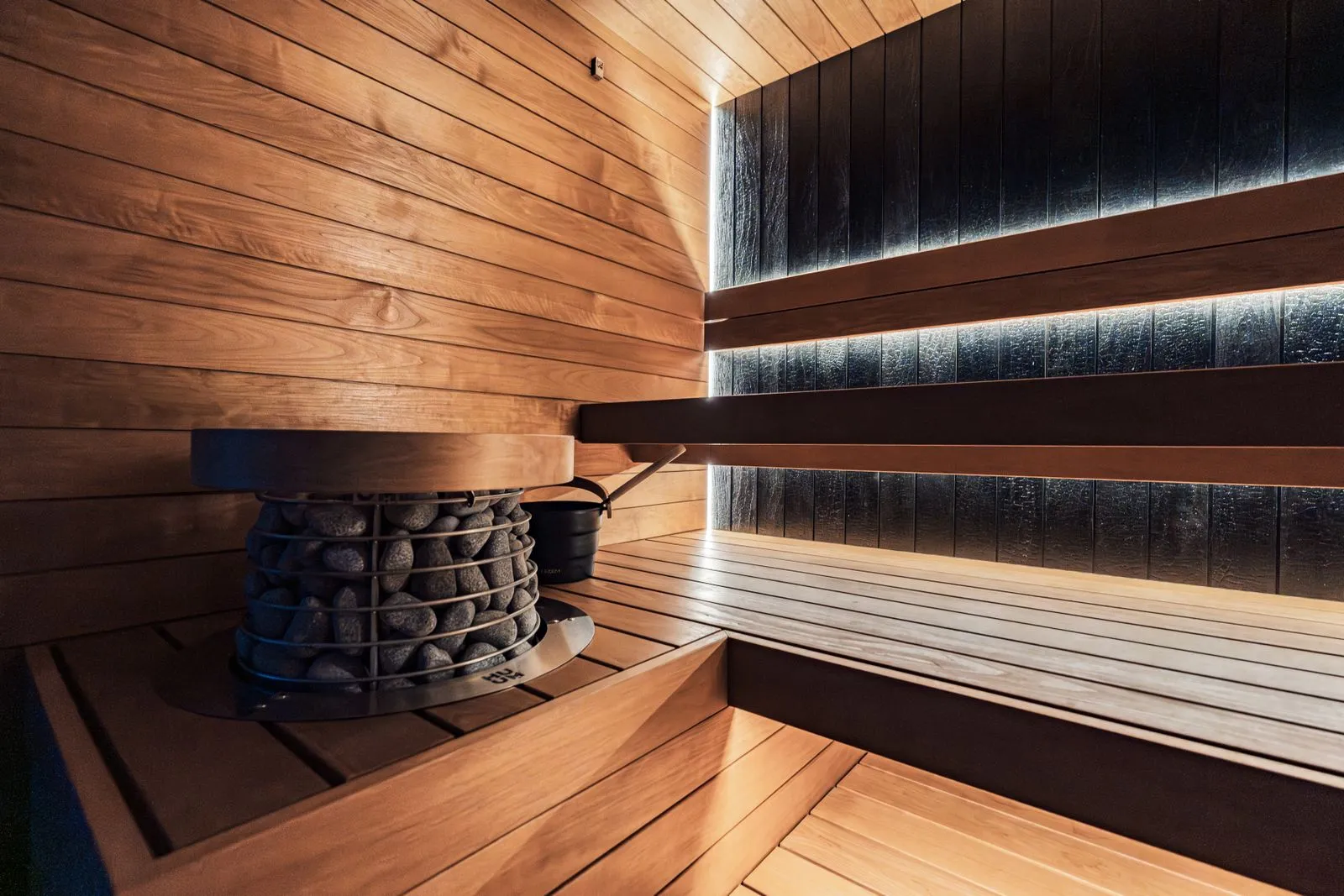
The sauna lighting must use heat-rated fixtures wired to code, and any wall or app controls add low-voltage wiring for the control unit and temperature sensor. Rough all of this in before the cladding goes up, since retrofitting means opening finished walls and the vapour barrier.
Sequence it into the build
| Stage | Electrical task |
|---|---|
| Planning | Confirm supply and permits with an electrician |
| Framing | Plan circuit route and control/sensor positions |
| Rough-in | Run heater circuit, lighting and control wiring |
| After cladding | Electrician connects and tests heater and controls |
Plan the electrical early, confirm the supply, rough it in before cladding, and have a licensed electrician install and test it. Get this right and the heart of the sauna — the heater — runs safely and reliably, with the wiring safely hidden behind the vapour barrier and wood.
Budgeting and sequencing the electrical work
The electrical side is also where budgets get surprised, so cost it honestly up front. Beyond the heater itself, plan for the electrician labour, the dedicated circuit, possibly a panel or service upgrade if your supply is tight, and the heat-rated lighting and any control wiring. An older panel that needs upgrading is a common and significant cost, which is exactly why confirming your supply before buying the heater matters.
Sequence the work into the build so nothing is done twice. Confirm the supply and permits during planning, run the heater circuit, lighting and control wiring at rough-in before the cladding goes up, and have the electrician make the final connections and test the system once the room is finished. Because it all involves mains power in a hot, wet room, keep every step with a licensed electrician and to local code. Planned and budgeted this way, the electrical work is straightforward — and safely invisible behind the finished wood.
Frequently asked questions
What electrical does a sauna need?
An electric heater needs a dedicated circuit sized to its rating (often 240 V), possibly a panel upgrade, plus heat-rated wiring for lighting and any control wiring — all installed by a licensed electrician to local code.
Should I check my electrical supply before buying a sauna heater?
Yes — have a licensed electrician confirm your supply can handle it before buying. A larger heater may exceed your existing circuit or panel capacity, turning a simple hookup into a costly upgrade.
Can I wire a sauna myself?
No — the dedicated heater circuit, connection and heat-rated lighting are licensed-electrician work, combining mains power with a hot, wet room. Many municipalities also require an electrical permit.
When should sauna wiring be roughed in?
Before the cladding goes up, alongside framing, so the heater circuit, lighting and control wiring can be run cleanly. Retrofitting later means opening finished walls and the vapour barrier.
Does a sauna need an electrical permit?
Often yes — many municipalities require an electrical permit for the sauna heater circuit. Confirm with your local building department during planning, and have a licensed electrician do the work.
What circuit does a sauna heater need?
A dedicated circuit sized to the heater rating, commonly 240 V, with the amperage and wire gauge set by the heater output and local code. The exact requirement comes from the data plate and the electrician.
What is a common surprise cost in sauna electrical work?
A panel or service upgrade. A bigger heater may exceed your existing panel capacity, turning a simple connection into a significant upgrade. Confirming your supply before buying the heater lets you budget for it.
When should the electrical work happen in a sauna build?
Confirm supply and permits during planning, run the heater circuit, lighting and control wiring at rough-in before cladding, and have the electrician make final connections and test once the room is finished — so nothing is done twice.