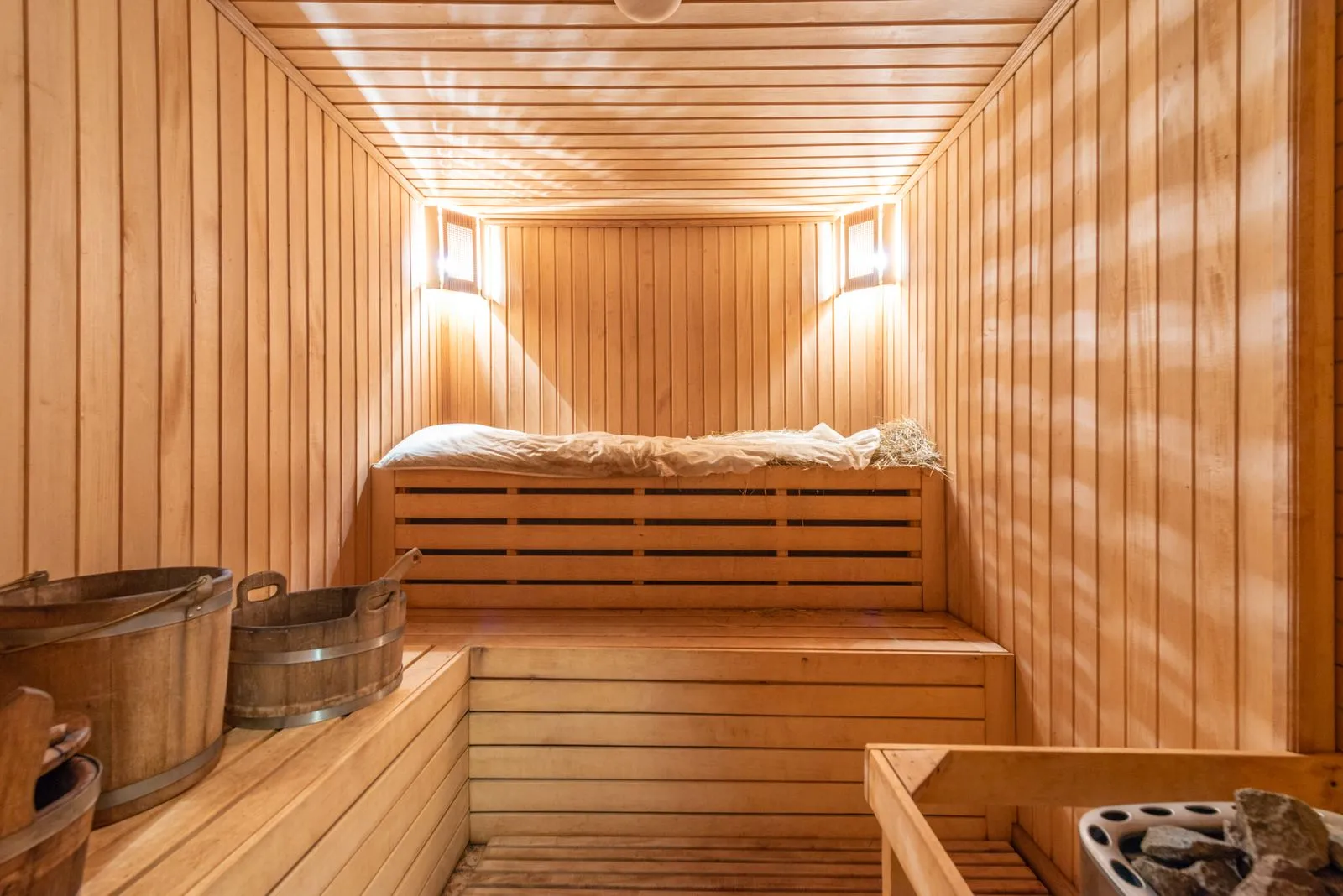
Breathing and Heat: Using a Sauna Comfortably
Hot, dry sauna air can feel intense on the first breaths. Here is how to breathe, sit and pace a session so the heat feels comfortable rather than overwhelming.
The short answer
Hot sauna air can feel intense at first. Sit lower where it is cooler, breathe slowly and calmly through the nose, add löyly gradually, and step out whenever you need to. Comfort comes from pacing and position, not from toughing it out.
For newcomers, the first breaths of hot sauna air can feel startling. A few simple techniques make the heat comfortable rather than overwhelming — and none involve enduring discomfort.
Position matters most
Breathe slowly and calmly
- Breathe through the nose where comfortable — it feels gentler than gulping hot air through the mouth.
- Slow, relaxed breaths settle the initial sense of intensity.
- Do not force it. If the air feels too hot to breathe comfortably, you are too hot — move lower or step out.
Manage the löyly
Water on the stones briefly raises the humidity and the perceived heat, which can catch a newcomer off guard. Add löyly in small amounts, and if someone else is adding it, be ready for the wave — or move to a lower bench.
Pace the session
It gets easier
Most people acclimatise to the heat over a few sessions, sitting higher and staying longer as it starts to feel natural. Start gently, use position and breathing to stay comfortable, and follow the safety basics — and the heat becomes something you savour rather than survive. New to saunas entirely? See our first-timer guide.
Acclimatising over a few sessions
Comfort in the heat is largely a matter of acclimatisation, and most people adapt over a handful of sessions. Early on, sit on a lower, cooler bench and keep rounds short; as the heat starts to feel natural, you can move higher and stay a little longer. There is no rule that says you must sit on the hottest top bench, and easing up is always the right call over toughing it out.
Position and breathing are your two levers in the moment. Because heat rises, where you sit is the biggest single factor in how intense the room feels, and slow, calm breaths — through the nose where comfortable — settle the initial sense of intensity. When someone adds löyly, expect a wave of heat and humidity, and be ready to move to a lower bench if it is too much.
Above all, treat overwhelming heat as a signal to cool down, not a challenge to endure. Step out whenever you need to, hydrate, and never push past dizziness or breathlessness. Handled this way, the heat becomes something you savour rather than survive.
Frequently asked questions
How do you breathe in a sauna?
Slowly and calmly, through the nose where comfortable — it feels gentler than gulping hot air. If the air feels too hot to breathe comfortably, sit lower or step out; do not force it.
Why does sauna air feel hard to breathe?
Hot, dry air and the burst of humidity from löyly can feel intense, especially for newcomers. Sitting on a lower, cooler bench and breathing slowly makes it much more comfortable.
How do I make a sauna feel less intense?
Sit on a lower bench where it is cooler, breathe slowly through the nose, add water to the stones sparingly, and step out whenever you need to. Comfort comes from pacing and position.
Should beginners sit on the top or bottom bench?
The bottom bench, where the air is cooler, then move up gradually as you acclimatise over sessions. There is no requirement to sit on the hottest top bench.
What if the sauna feels too hot?
Treat it as a signal to cool down, not to endure. Move to a lower bench or step out, hydrate, and rest. Never push past dizziness or breathlessness.
How do beginners get comfortable with sauna heat?
Acclimatise over a few sessions: start on a lower, cooler bench with short rounds, then move higher and stay longer as the heat feels natural. Sit lower, breathe slowly, and step out whenever you need to.
How should you breathe in a sauna?
Slowly and calmly, through the nose where comfortable — it feels gentler than gulping hot air. If the air feels too hot to breathe comfortably, sit lower or step out rather than forcing it.
Why does where I sit change how hot it feels?
Because heat rises and collects near the ceiling, so the top bench is significantly hotter than the lower one. Sitting lower is the simplest way to make the heat more comfortable.
What should I do if the sauna feels too hot?
Treat it as a signal to cool down, not to endure. Move to a lower bench or step out, hydrate, and rest. Never push past dizziness or breathlessness.