Cold Plunge Benefits: What the Evidence Shows
Cold plunges are prized for alertness, mood and reduced soreness. Here is a measured look at the reported benefits of cold-water immersion and the safety limits.
The short answer
Cold plunges are reliably reported to boost alertness and mood and reduce the feeling of muscle soreness. The invigoration and mental lift are the most consistent benefits; deeper physiological claims are less settled. It also stresses the heart, so it is not for everyone.
The cold plunge has gone from Nordic tradition to wellness staple, with a long list of claimed benefits. Here is a measured view of what stands up — and the safety line that matters.
The reliably reported benefits
- Sharp alertness. The cold triggers a strong wake-up response — the most consistent, immediate effect.
- Mood lift. Many people report a distinct, lasting improvement in mood after cold immersion.
- Reduced soreness. Cold-water immersion is widely used to reduce the feeling of post-exercise muscle soreness.
- A sense of resilience. The practice of doing something briefly hard and controlled is, for many, its own reward.
Best paired with heat
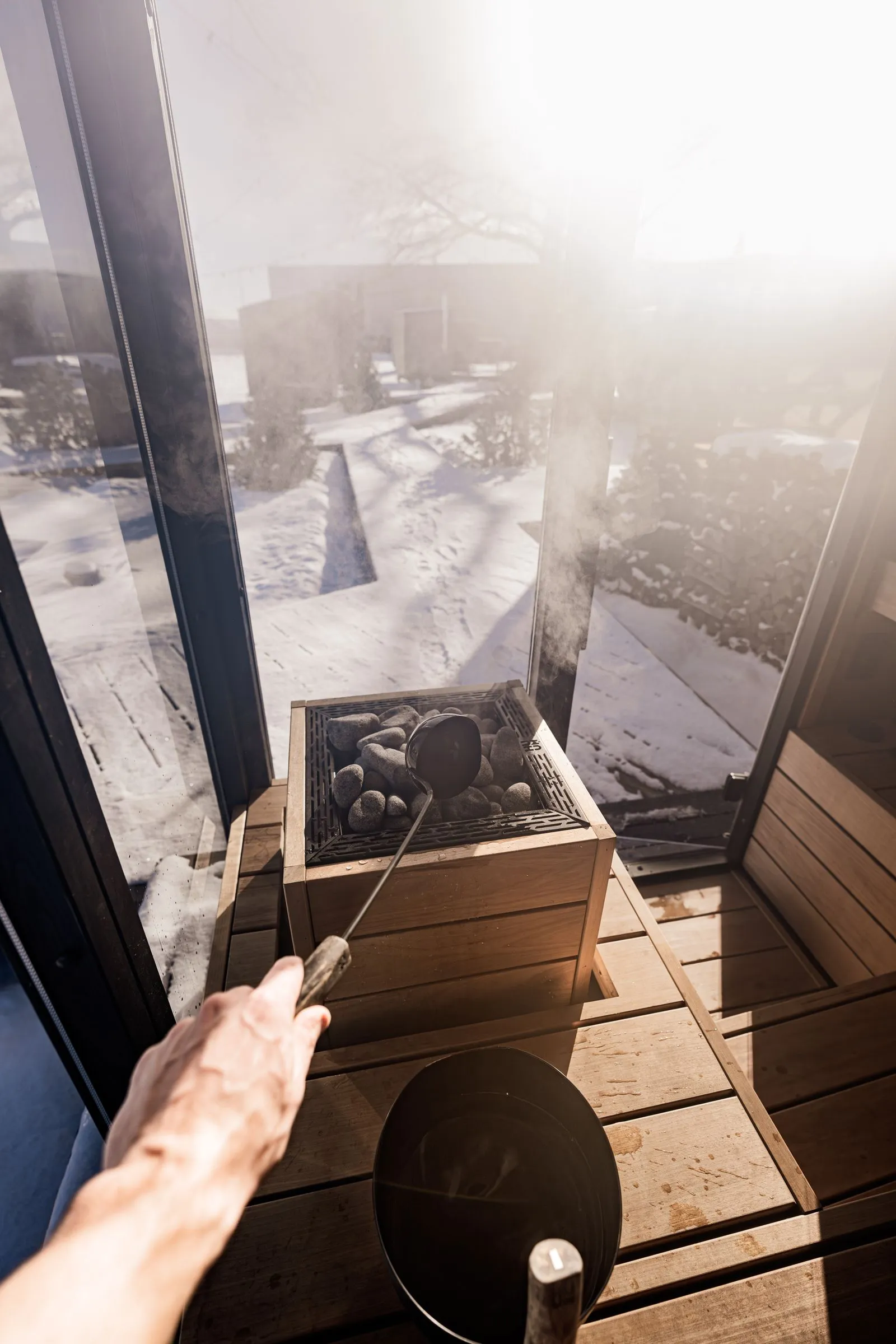
The cold plunge is one half of contrast therapy — the cold pole to the sauna heat. Many people find the alternation more rewarding than either alone, and the contrast is especially at home in a Canadian winter.
The safety line
How to start
Our cold plunge guide covers the practicalities: start warmer and shorter than you think, control your breathing, and build tolerance gradually. Enjoyed sensibly, the cold plunge delivers a reliable rush of alertness and calm — a genuine, if bracing, pleasure.
Enjoying the benefits sensibly
The reliable rewards of a cold plunge — a sharp lift in alertness, an improved mood, and reduced feeling of muscle soreness — are best enjoyed by starting gently and building tolerance. Begin warmer and shorter than you think you need, control your breathing through the initial cold-shock response, and lengthen and cool the plunge only as you adapt. The invigoration and mental lift are the most consistent effects; some deeper physiological claims are less settled, so value it for what it reliably delivers.
The cold plunge pairs naturally with sauna heat as contrast therapy, and many people find the alternation more rewarding than either alone — especially in a Canadian winter, where the cold side is never far away. Heat, then a brief cold plunge, then rest, repeated a few times, is the classic cycle.
Keep the safety line firmly in view. Cold-water immersion stresses the cardiovascular system, so those with heart or blood-pressure conditions or who are pregnant should avoid it or check with a doctor, and no one should plunge after alcohol or alone in open water.
Frequently asked questions
What are the benefits of a cold plunge?
The most reliably reported benefits are a sharp boost in alertness, an improved mood, and reduced feeling of muscle soreness. The invigoration and mental lift are the most consistent effects.
Does a cold plunge really help recovery?
Cold-water immersion is widely used and reported to reduce the feeling of post-exercise soreness. The subjective benefits are consistent; some deeper physiological claims are less settled.
Is a cold plunge good for mental health?
Many people report a distinct, lasting mood lift and sense of resilience from cold immersion. It is valued as a mood and alertness booster, though it is not a medical treatment.
Are cold plunges safe?
For healthy adults done briefly and sensibly, yes, but they stress the heart and cause an initial cold-shock reflex. People with heart or blood pressure conditions or who are pregnant should avoid them or consult a doctor, and never plunge after alcohol.
Should you cold plunge with a sauna?
Many people do — the cold plunge is the cold half of contrast therapy, paired with sauna heat. The hot-cold alternation is popular for its invigoration and sense of recovery.
What are the reliable benefits of a cold plunge?
A sharp boost in alertness, an improved mood, and reduced feeling of muscle soreness. The invigoration and mental lift are the most consistent effects; some deeper physiological claims are less settled in the evidence.
How do you start cold plunging safely?
Begin warmer and shorter than you think you need, control your breathing through the initial cold-shock response, and lengthen and cool the plunge only as you adapt. Never plunge after alcohol or alone in open water.
Why pair a cold plunge with a sauna?
The hot-cold alternation of contrast therapy is more rewarding for many people than either alone, valued for its invigoration and sense of recovery. The cycle is heat, a brief cold plunge, then rest, repeated a few times.
Is a cold plunge safe for everyone?
No. It stresses the cardiovascular system and causes an initial cold-shock reflex, so people with heart or blood-pressure conditions or who are pregnant should avoid it or consult a doctor. Never plunge after alcohol.